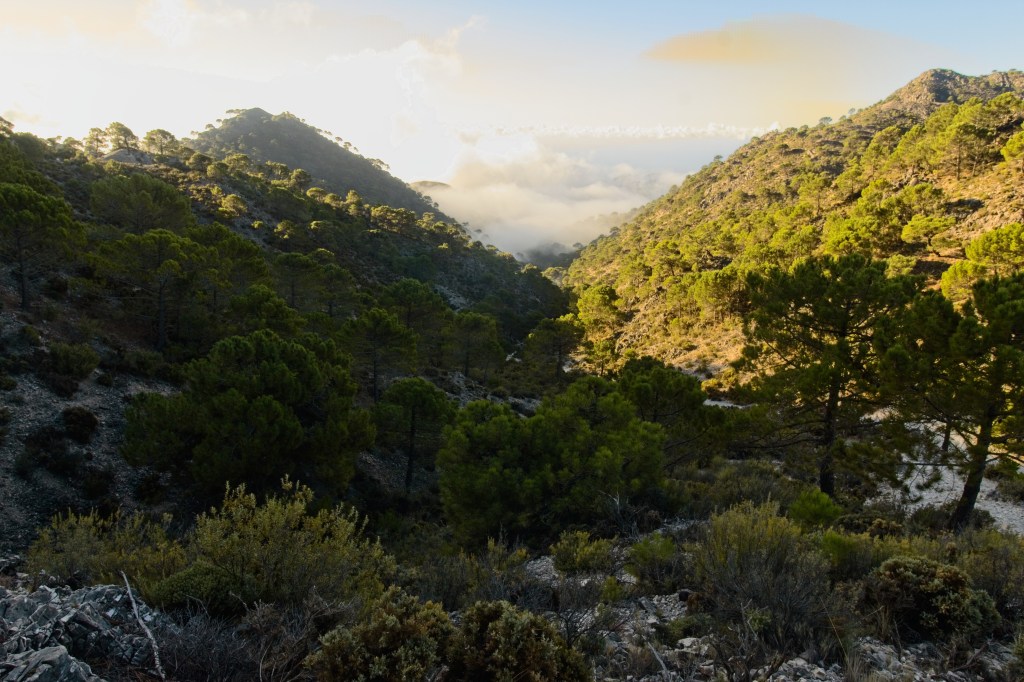
The end of October and the first week of November saw our first visitors from the States and the last really good weather of the fall, and it all came together in Andalusia (Andalucia en Español) and Toledo.
Canillas
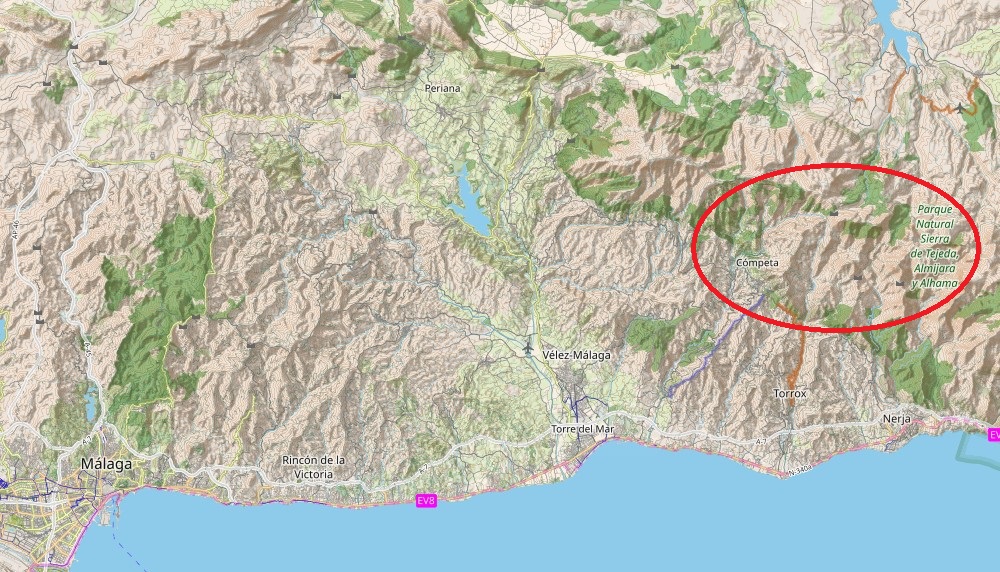
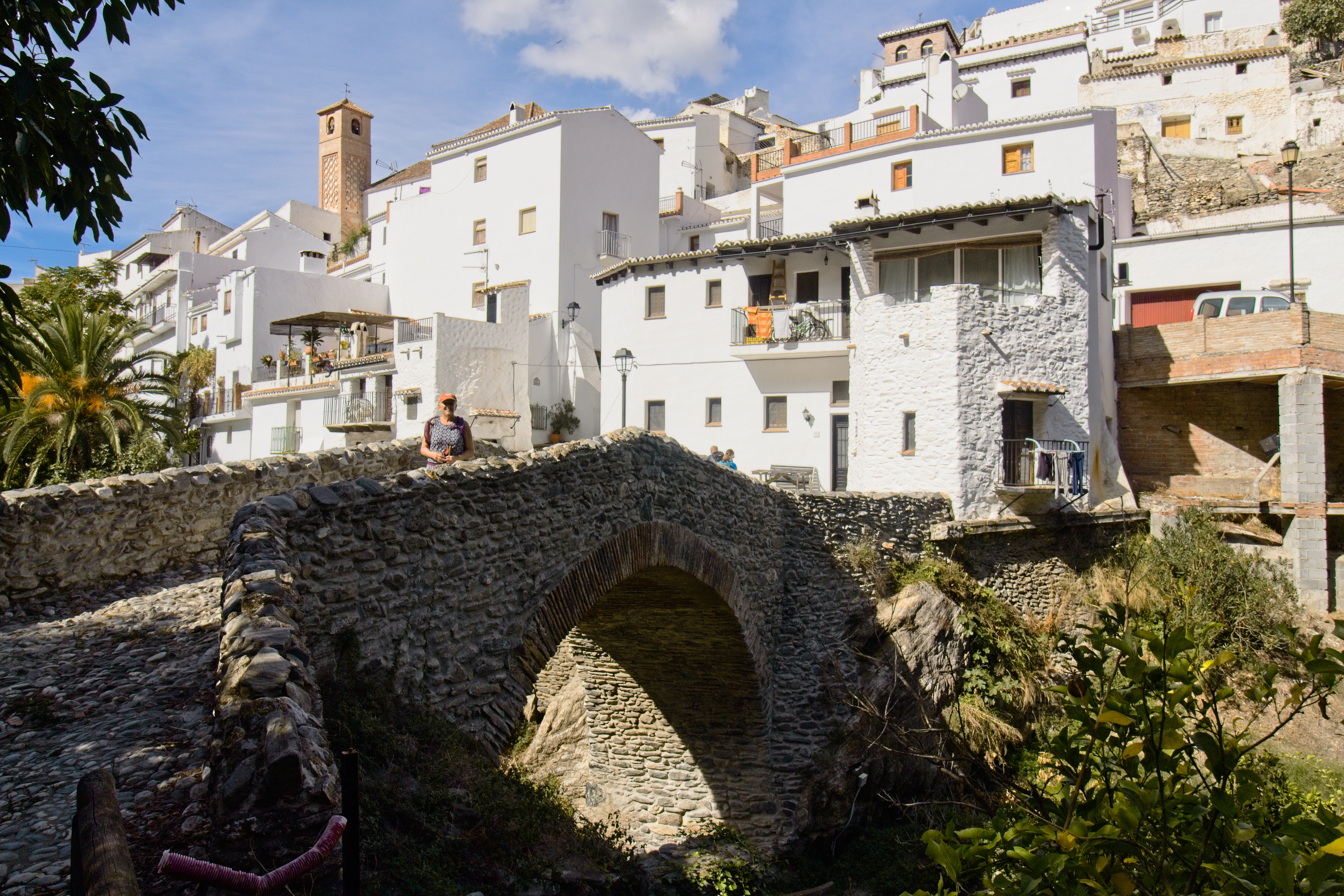
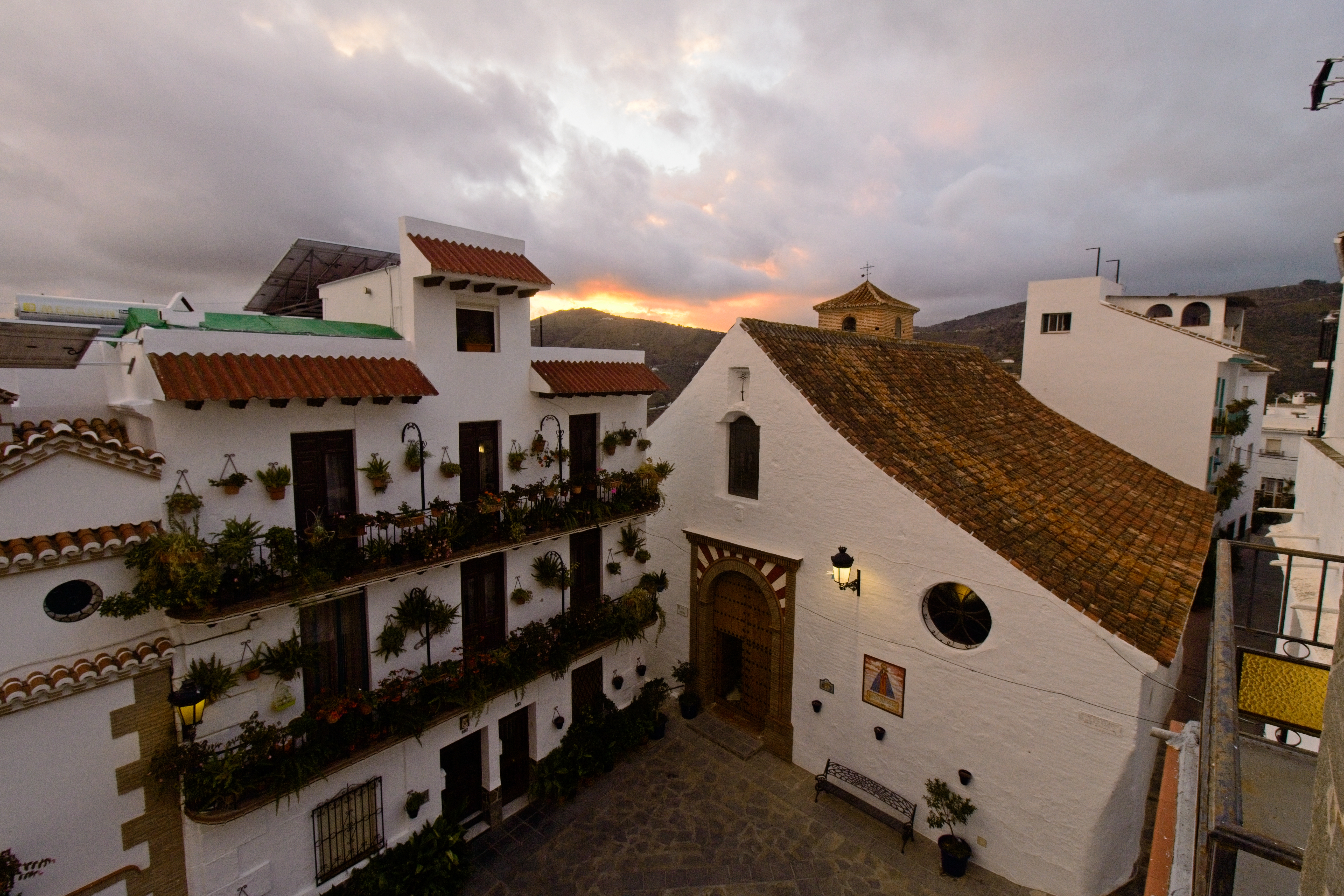
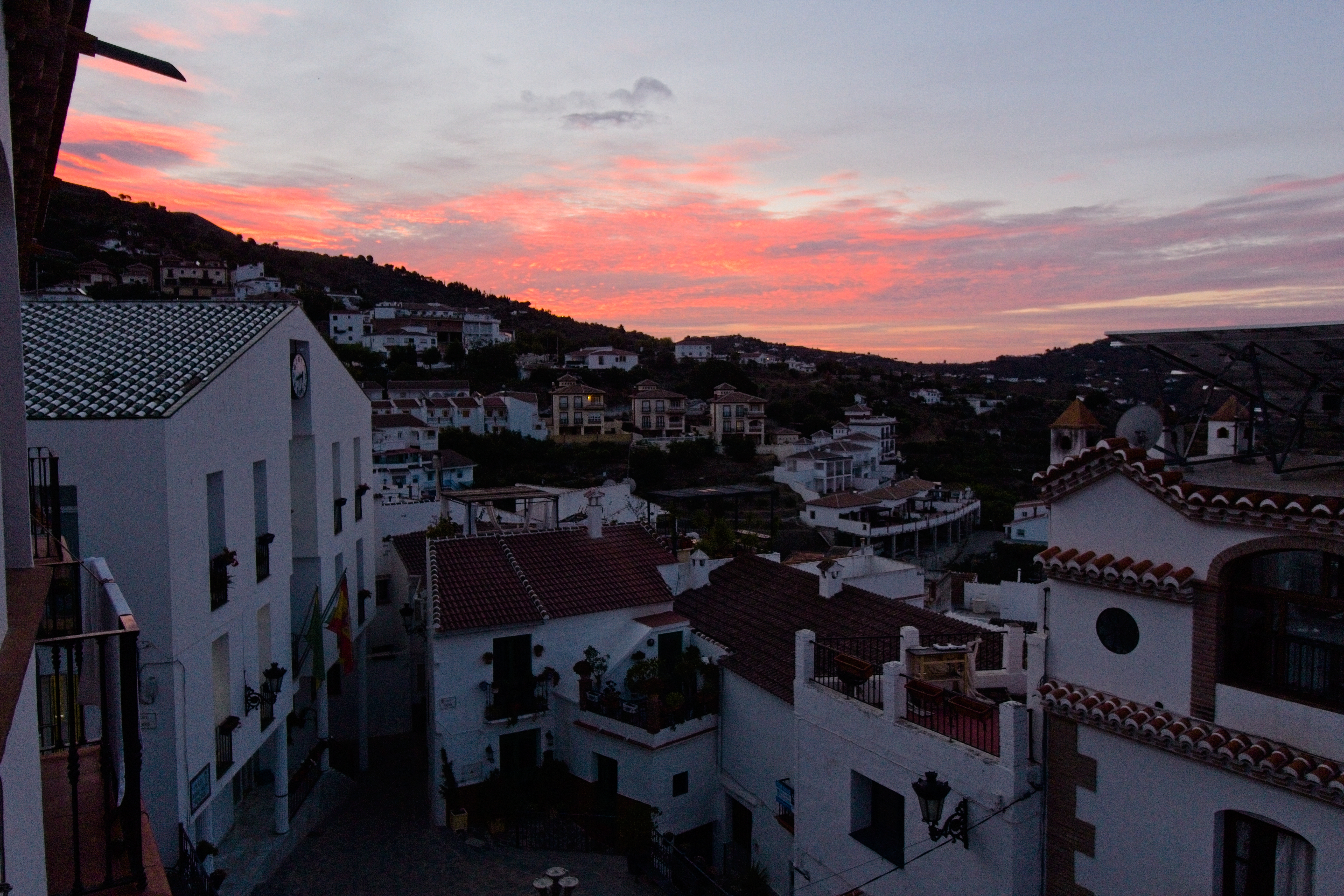
Cindy’s ski bus pals Jo-Anne and Joan had joined a bicycle tour from Seville to Málaga and Cindy thought it would be fun to join them to celebrate their ride, have a nice dinner, and see old friends. Of course, there’s no point in going all that way and then not taking advantage of the beautiful parks in the area so she found us a six day Collete hiking tour based in Canillas de Albaida, which backs up to the Parque Natural de Sierras de Tejeda, Almijara y Alhama, all just northwest of Nerja on the Andalusian coast.
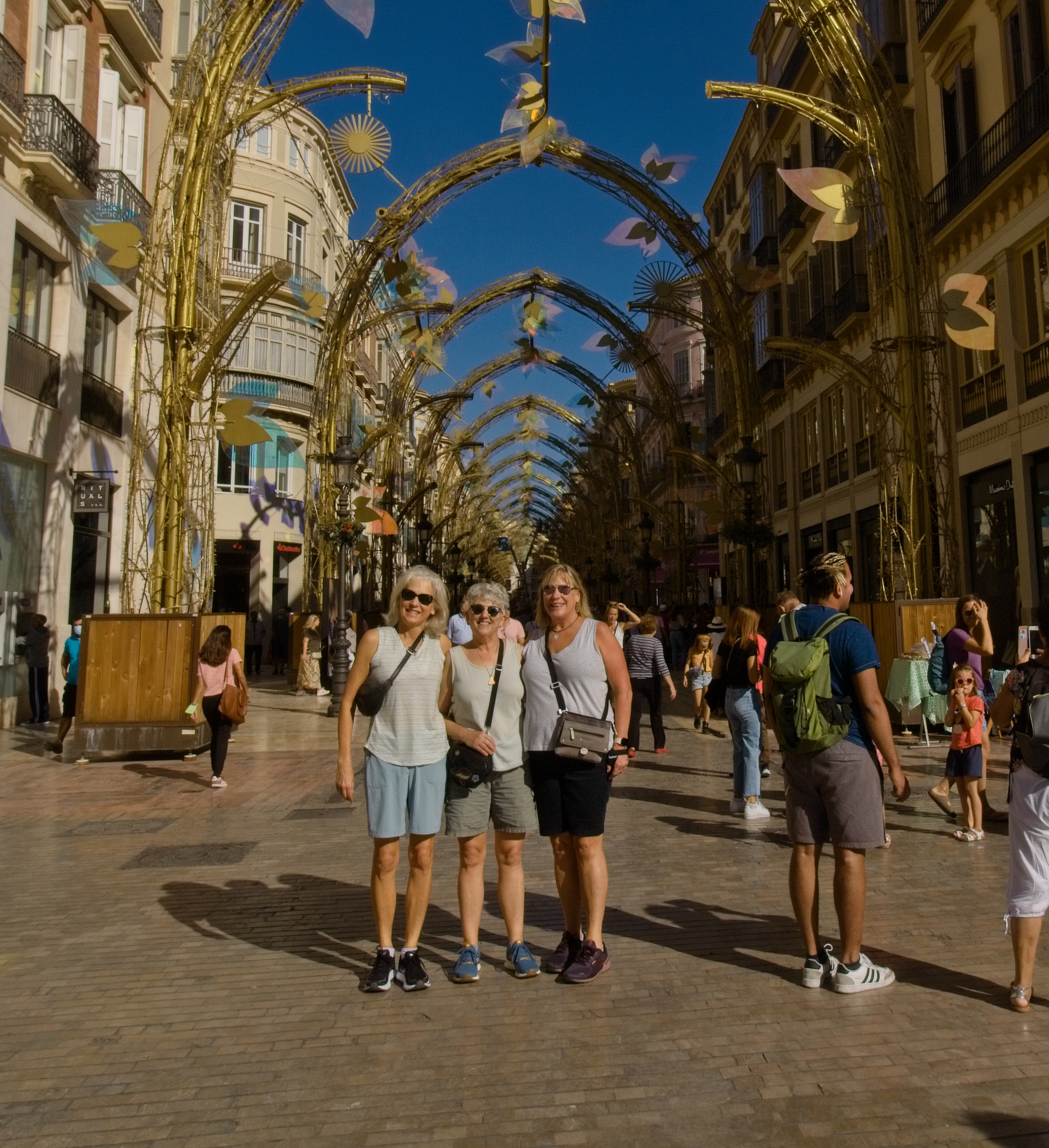
Our Seattle buddies Cheri and Robbie flew in to join us in Málaga and come hiking too. It was quite exciting to anticipate our first guests in eighteen months. We spent about a day and a half exploring the core of Málaga, which has a very nice central old part of town that they’ve turned into a vibrant tourist area, including a 16th Century cathedral and the Alcazaba and Castle of Gibralfaro, fortifications overlooking the harbor that date back to the Phonecians in the 7th C BCE. We didn’t have long to hang out before we had to scuttle out to the airport to meet our hosts and take the 40 minute van ride to Villa la Posada en Canillas de Abaida, our home for the week.
Mick, our lead hiking guide, is a gruff Englishman who has lived in the region for over 25 years with his large family. Gustavo is owner of Villa la Posada and quite a character, Spanish from head to toe. Gustavo liked a joke and loved to flirt, but he was a busy man and not ideally suited to the cat-herding involved in hosting and hauling around large groups of tourists. Mick had a plan and a schedule and not a lot of tolerance for anything that threw that off. Both ultimately turned out to be good hosts, but like all interesting characters, they had their strengths and flaws. We learned much about them and each other over the course of the week.
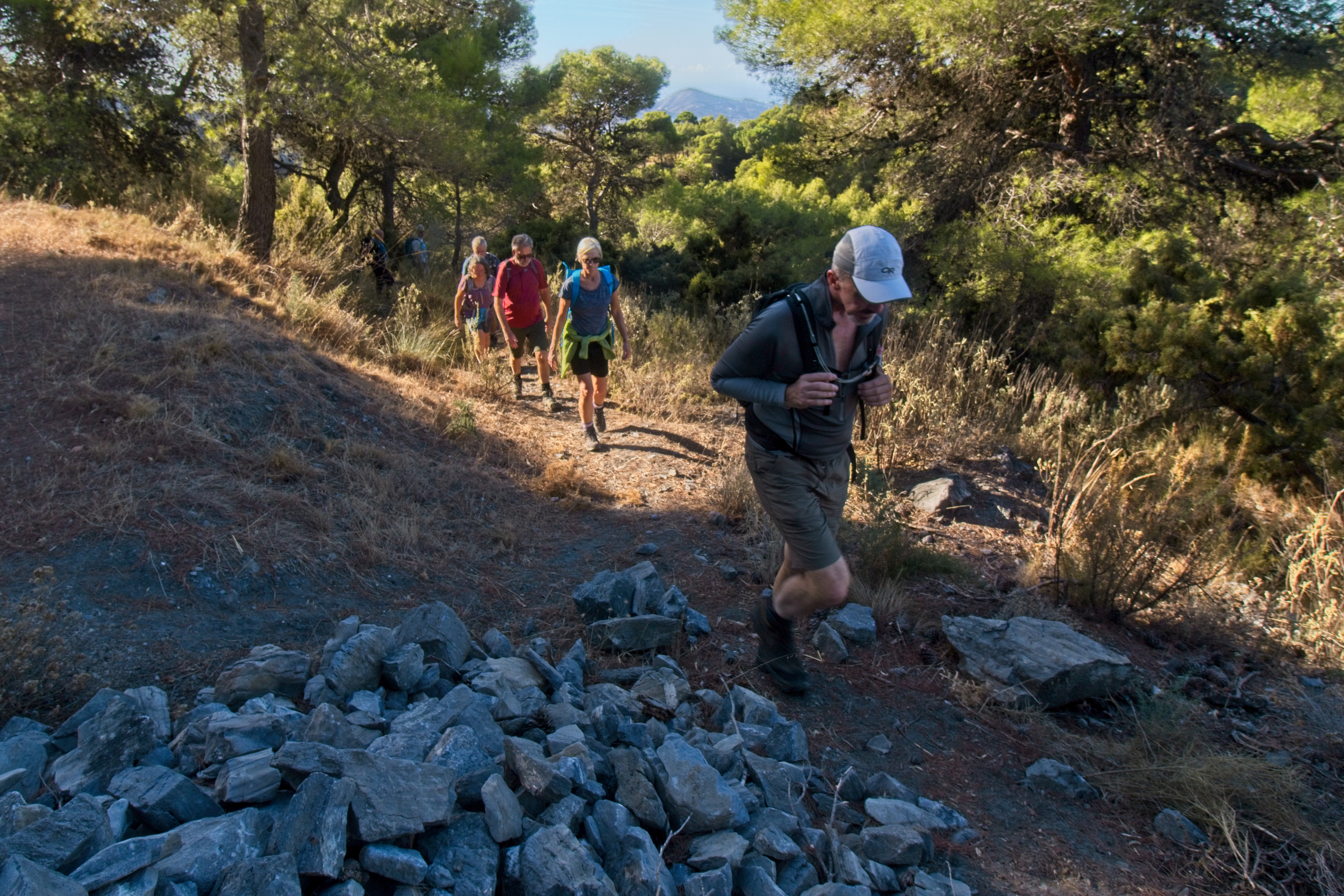
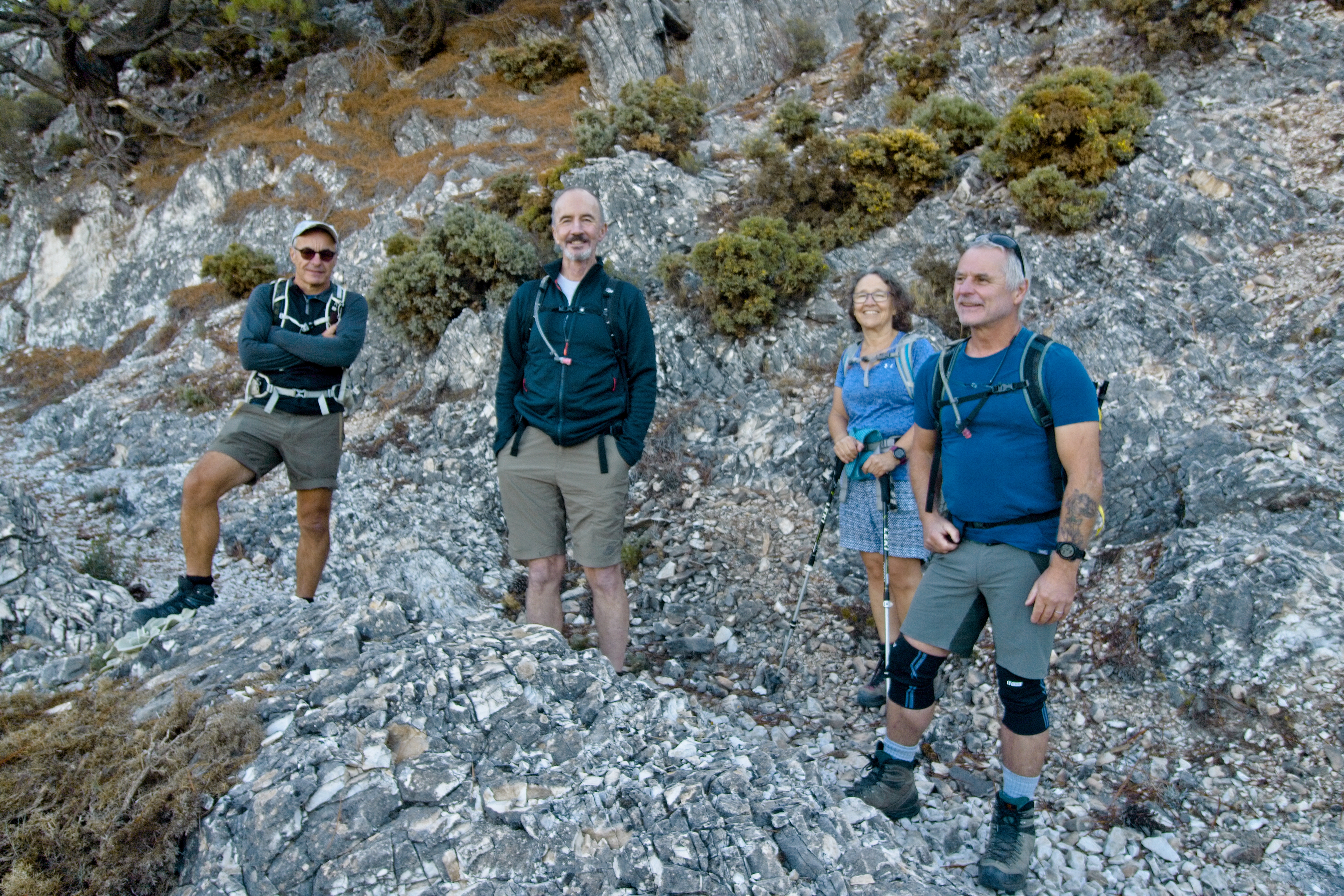
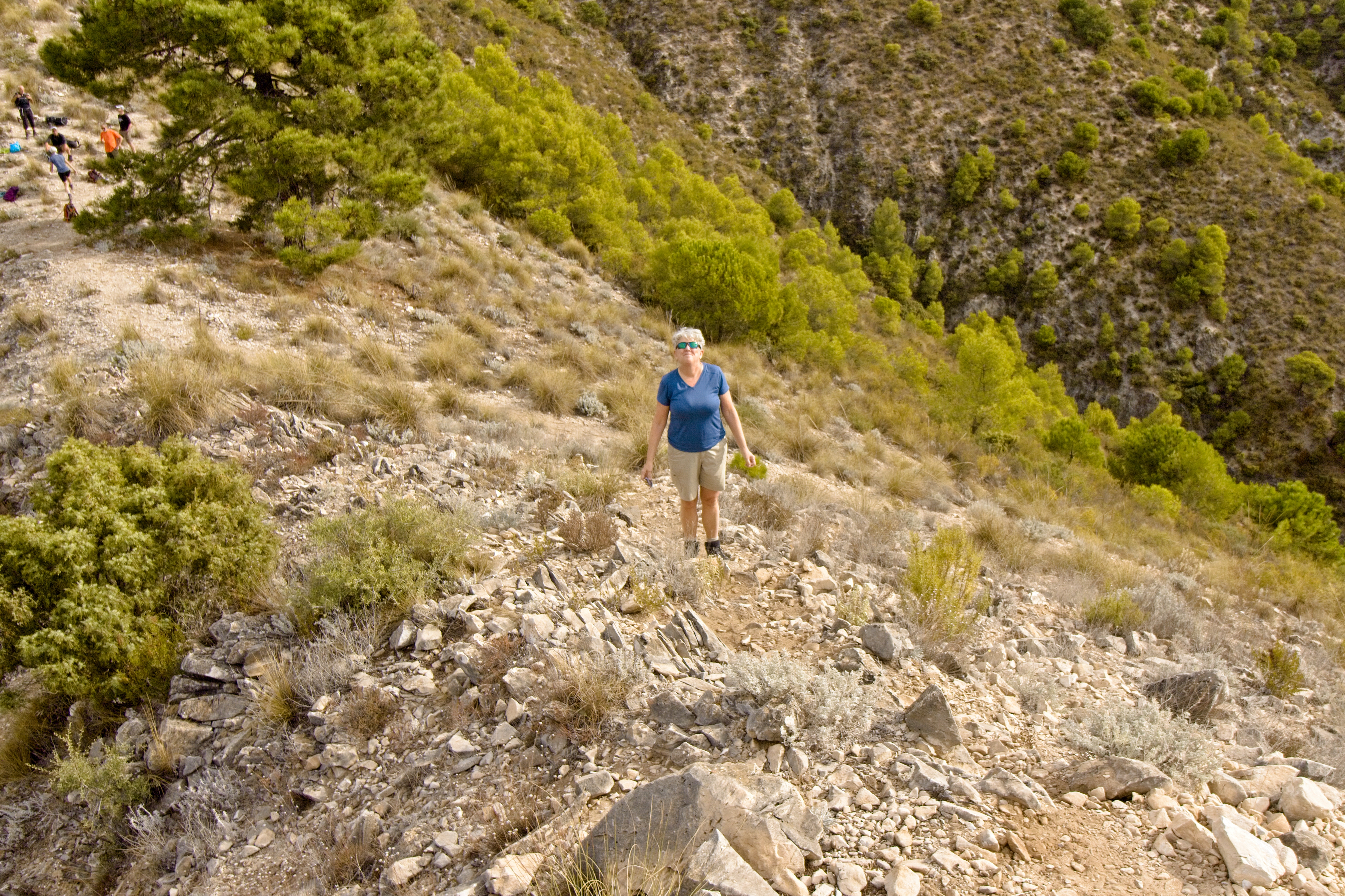
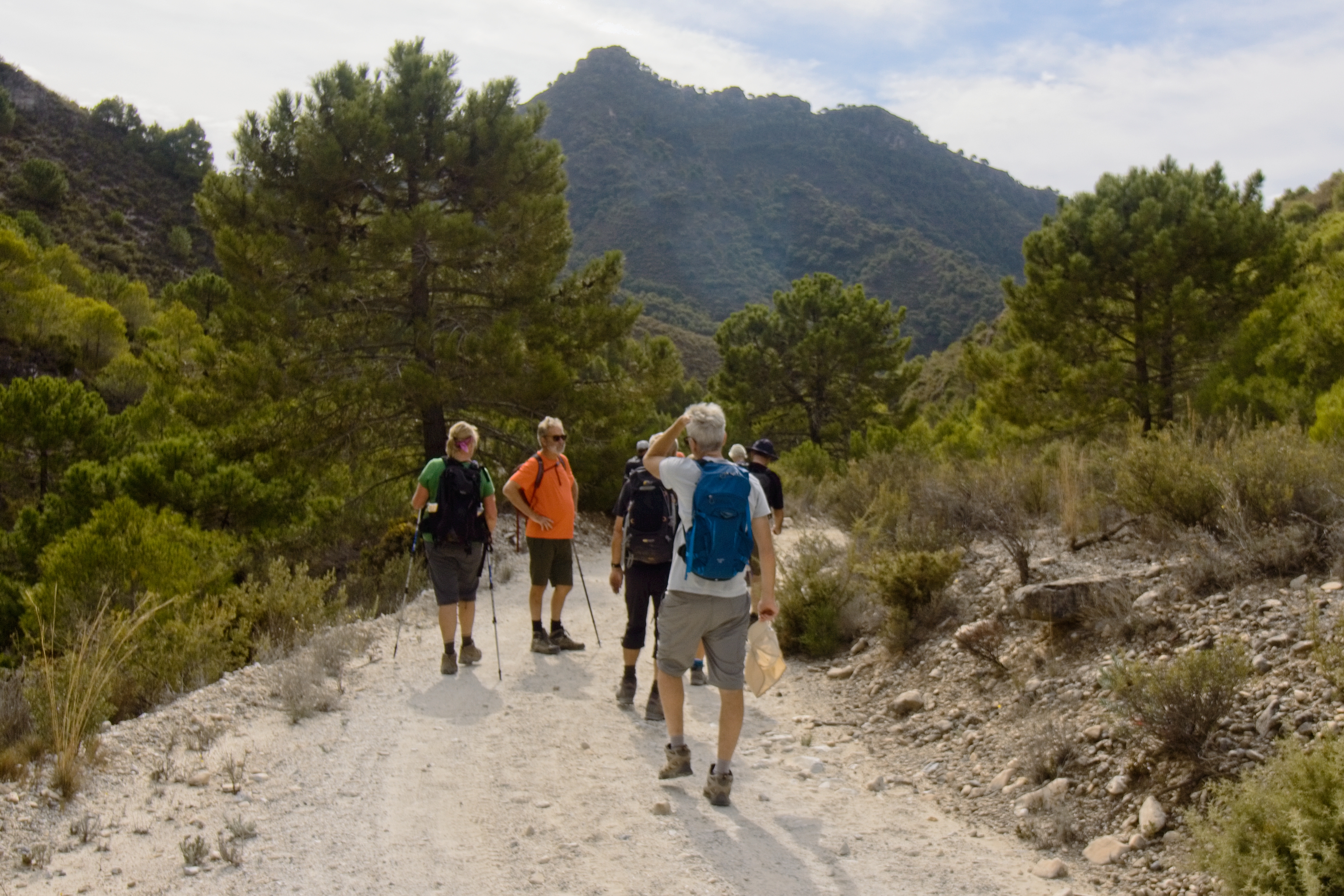
We made up a group of thirteen hikers overall, all of the others from different parts of the UK. They came from Glasgow and Eaton and Cambridge and… well you get the idea. We ranged in age from somewhere in our mid-50s to around 70. We were very lucky that everyone in the group was a lovely person, not a bad one in the bunch, and they all hiked to their abilities with nary a complaint. Each day we had the option of a more strenuous hike or a somewhat easier one, although as you’ll see from the pictures, all of the hikes involved a fair amount of elevation change and none of them was a stroll.
The days fell into a pattern; roll out of bed about 7:30 or 8:00, get ready and have communal breakfast in the courtyard and be ready to go by 9:30. Hike for the day, either direct from the town or maybe taking the van to a trailhead in the mountains, returning somewhere between 3:30 and 5:00. Rest, shower, etc and at 6:30 is “office hours” where we’re briefed on the the next day’s hike and we choose whether and what we will take for lunch and what we want for dinner all while sipping on a favorite beverage, then adjourn back to the courtyard for the evening meal, and finally off to one’s room to read, get ready for the next day, and sleep.
At 600 meters, it was cold when the sun went down. The alfresco breakfasts and dinners were often frosty affairs, with all of us grabbing all of our layers in order to keep warm. During the day, the sun provided plenty of warmth so layers came off quickly and we mostly hiked in shorts and t-shirts.
Chef Fran provided our meals. Breakfast was simple and hearty, offering bread, a choice of butter and jam or tomatoes and olive oil, meats and cheeses, cereal, not enough coffee, and eventually fried eggs (always served after we’d been there for a bit). Lunch was either prepared by the hotel and consisted of a sandwich, a sweet and a juice or at your option you could go to the local market and buy a sandwich there along with supplements like chips and candy bars. Dinner was a choice of starter, main dish and dessert from a menu of maybe 8 or 10 items, with something new as a special each day. The food was hearty and good, and dinners were really something special.
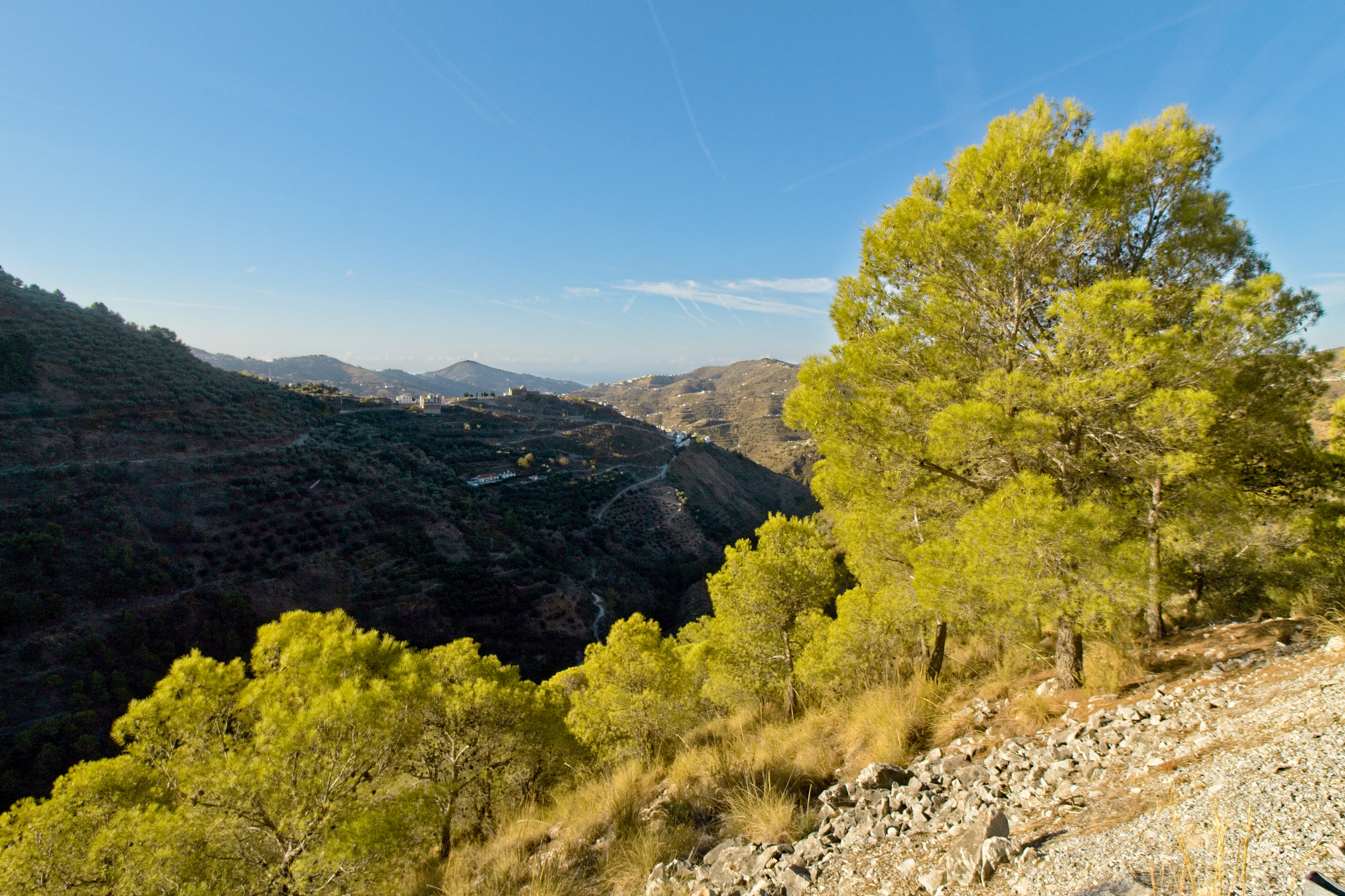
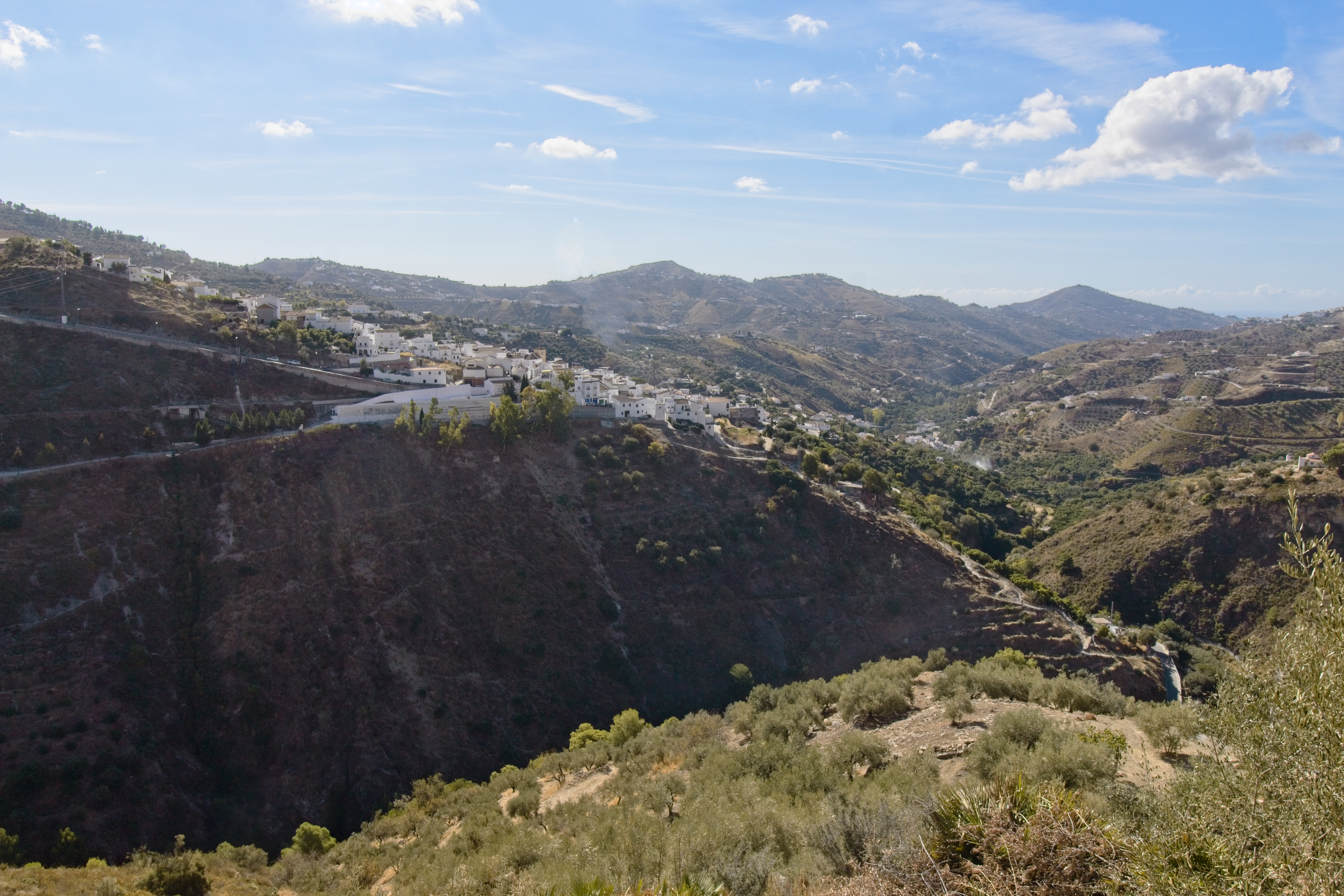
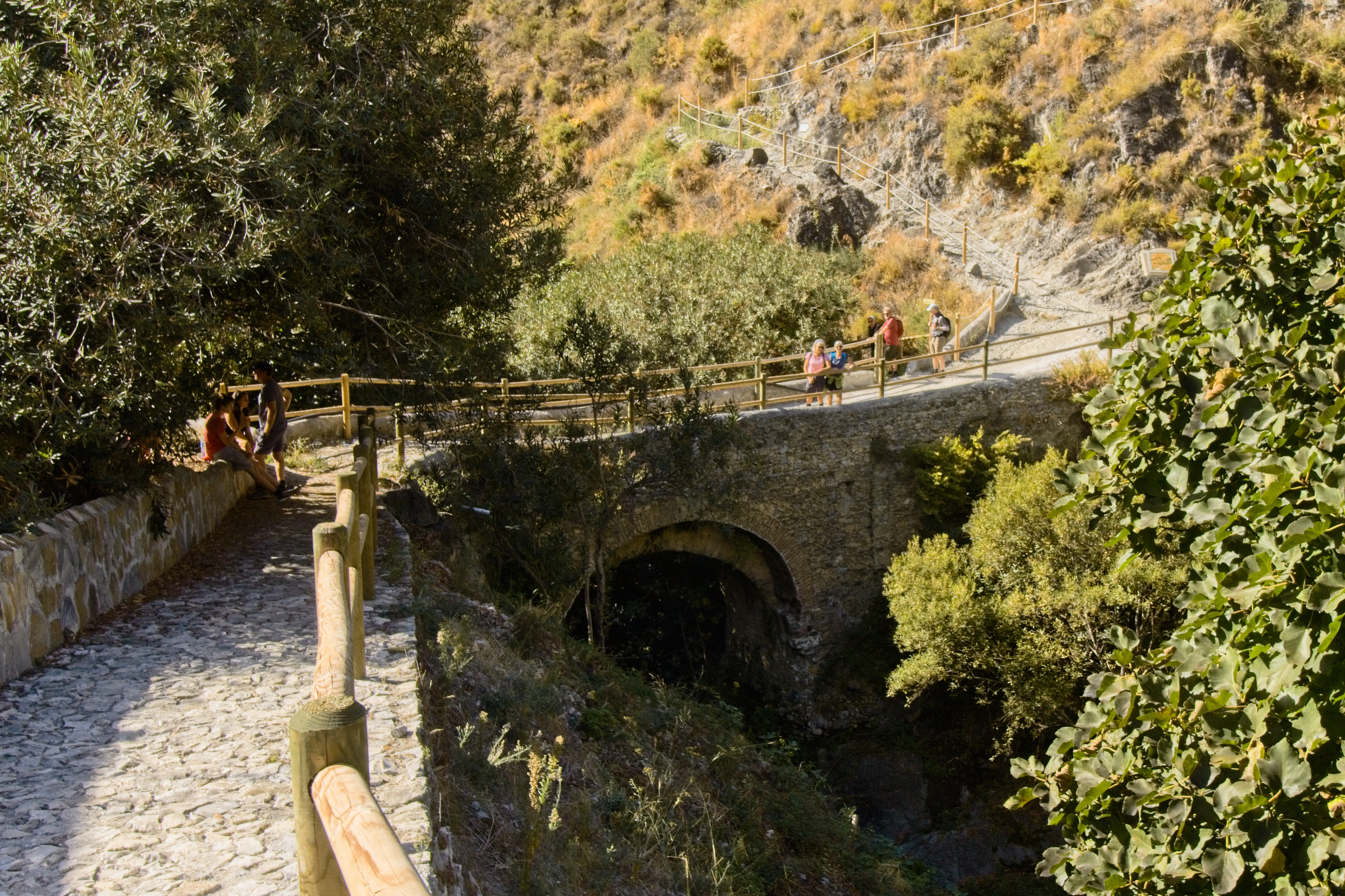
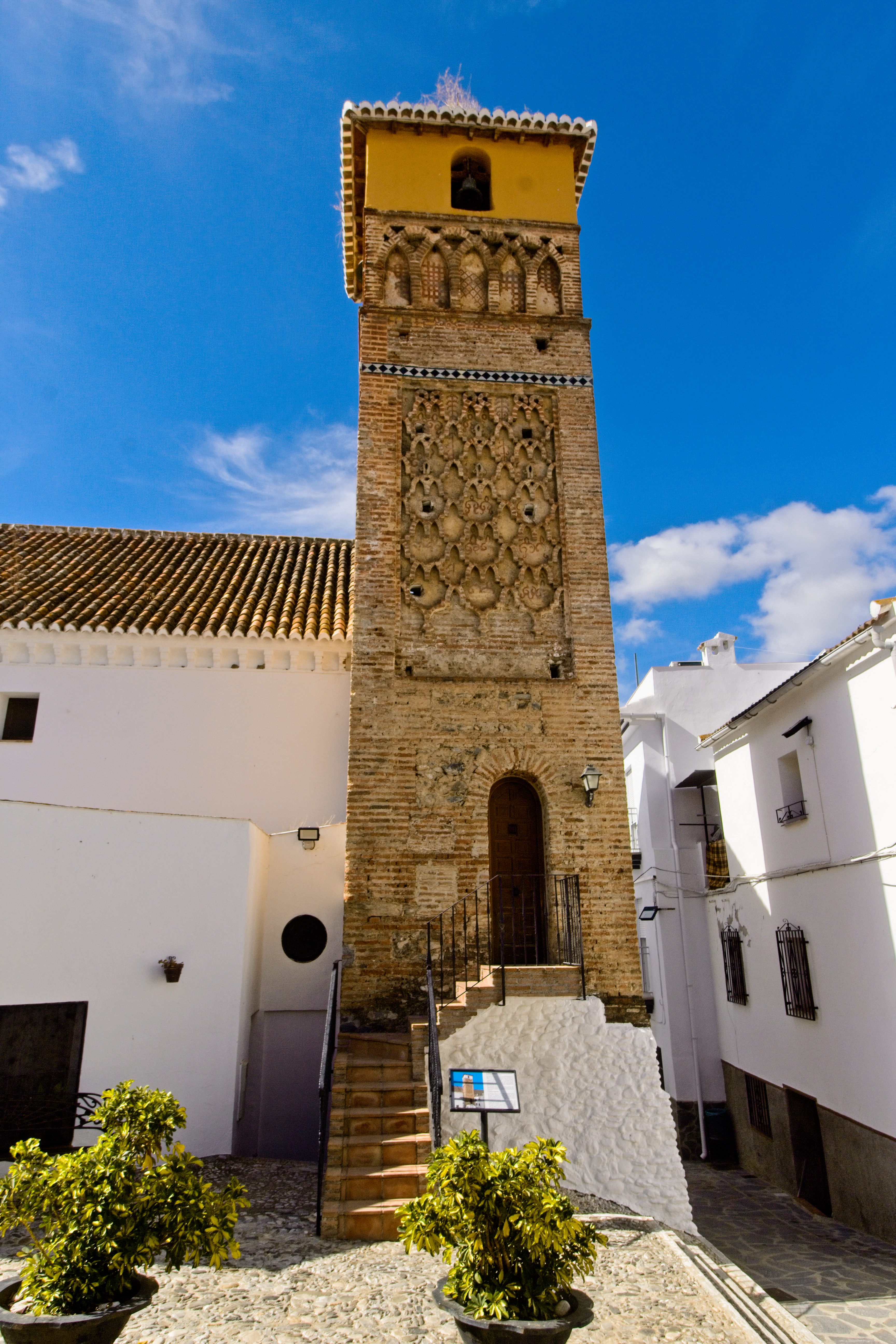
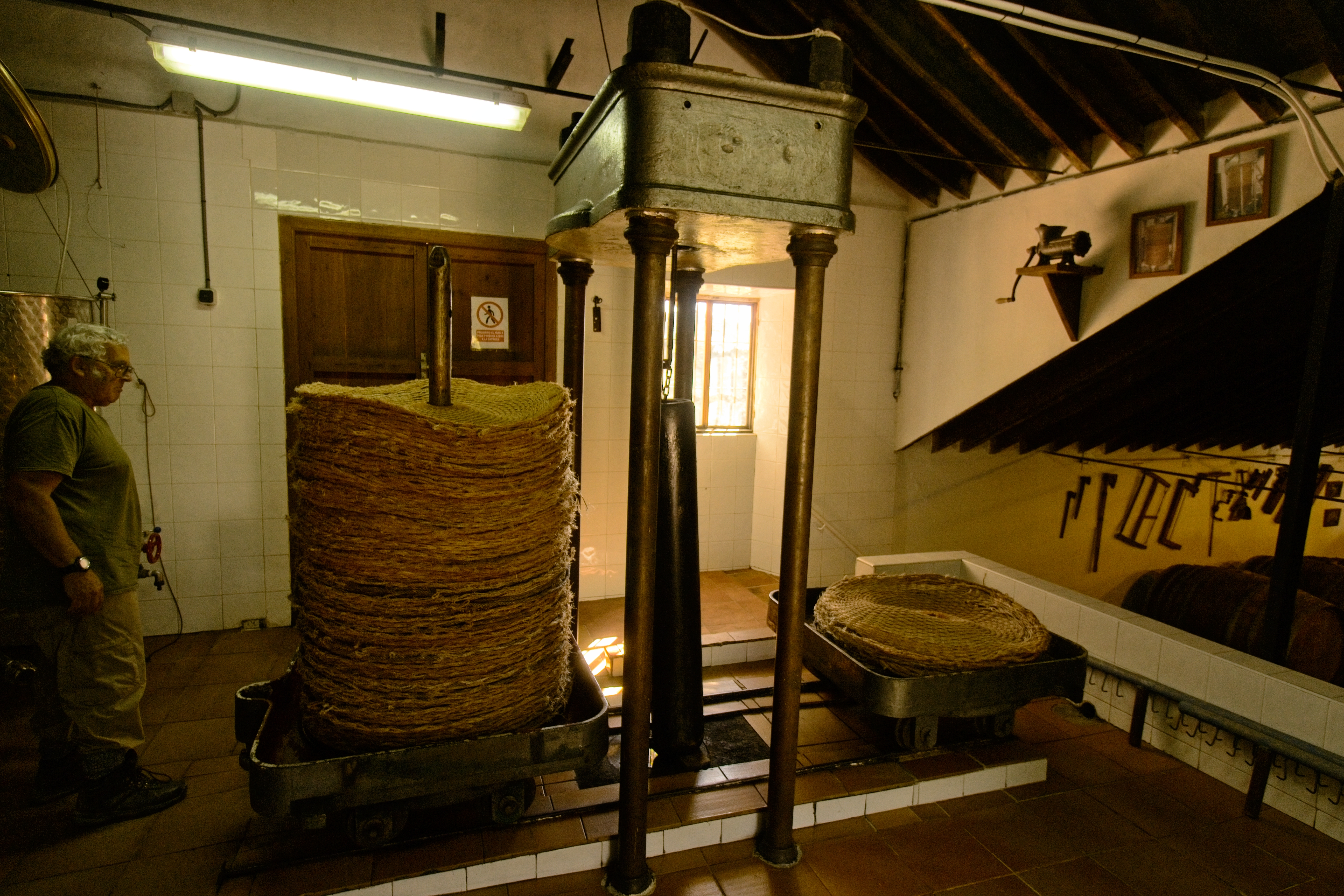
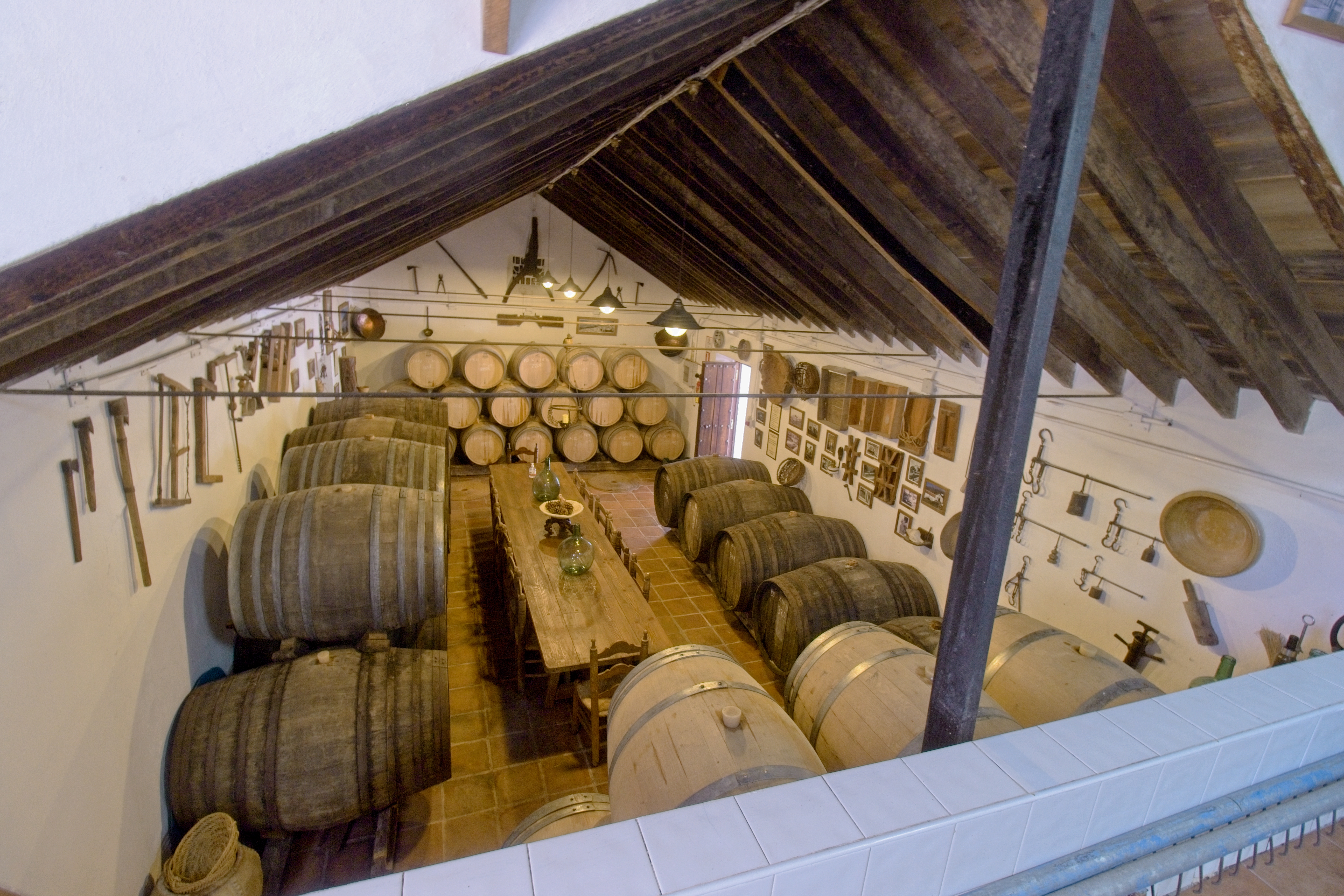
After a brief rest and bite in Archez, we hiked back up the hill to a bodega (winery) partway back to Canillas. The bodega has been in the same family for generations and the current owner gave us a tour. This region is good for producing Moscatel grapes and wine of the same variety. They actually do two harvests and pressings, one in about August and a second one in October. The first produces a dry wine, the second a much sweeter dessert wine.
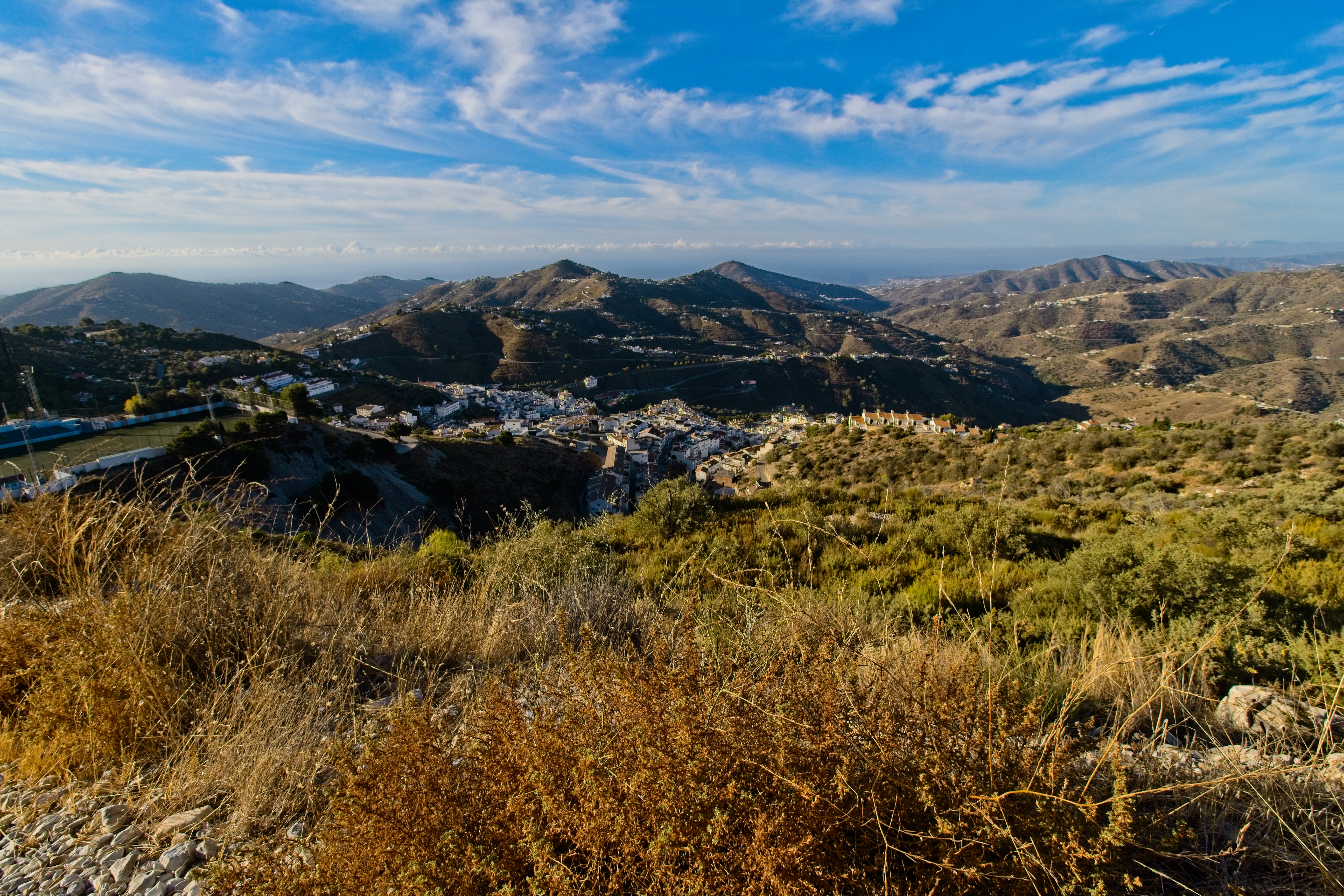
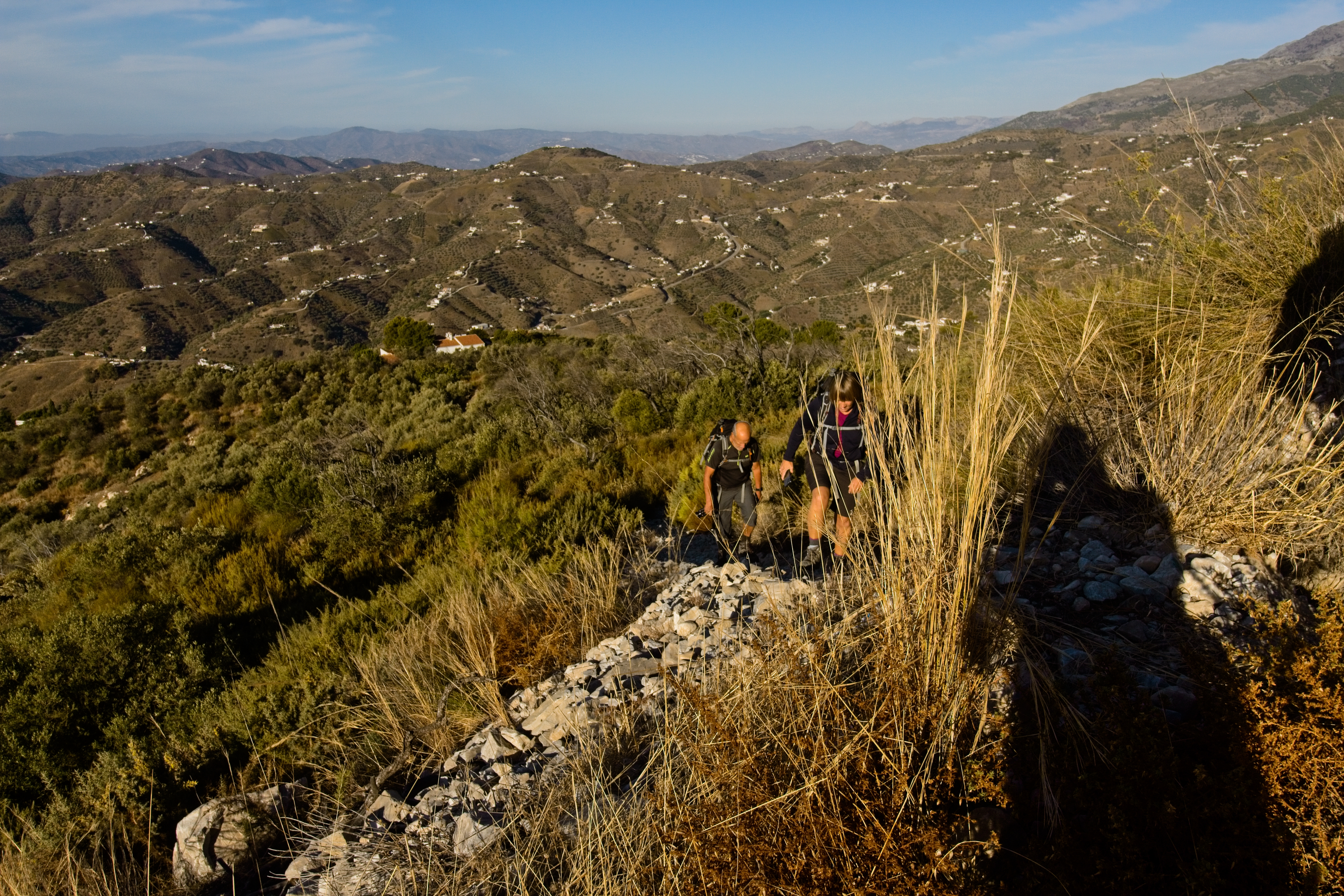
After the first day of hiking, Robbie’s knees were barking so she opted out of the second day. Cheri, Cindy and I took on the tougher one. This one left from Cómpeta and immediately climbed above the town, eventually landing us on the Silk Road, a mule trail in use for centuries by the locals for trade with Granada. I can vouch that the folks who used that trail for days to get between Málaga and Granada were tough.
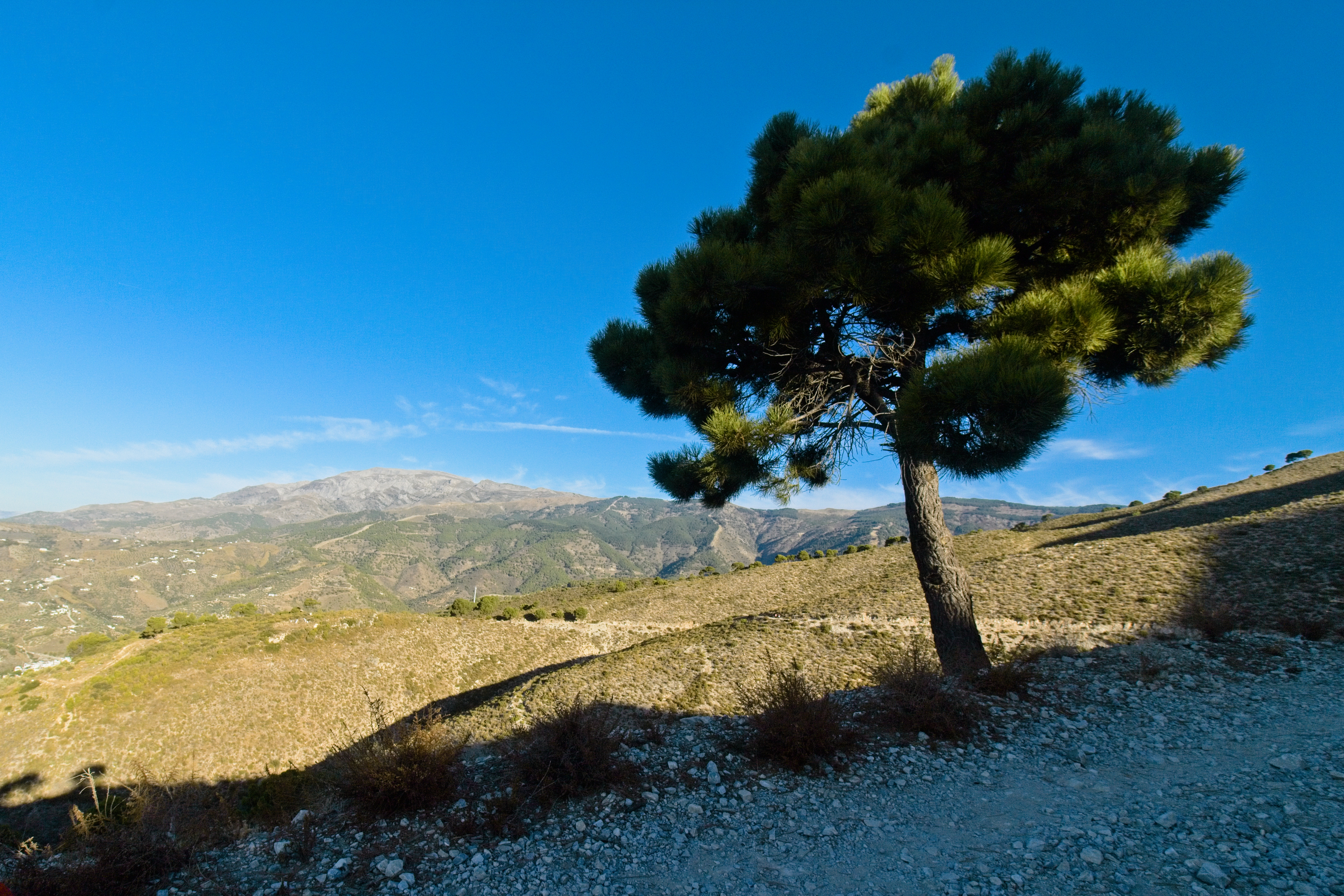
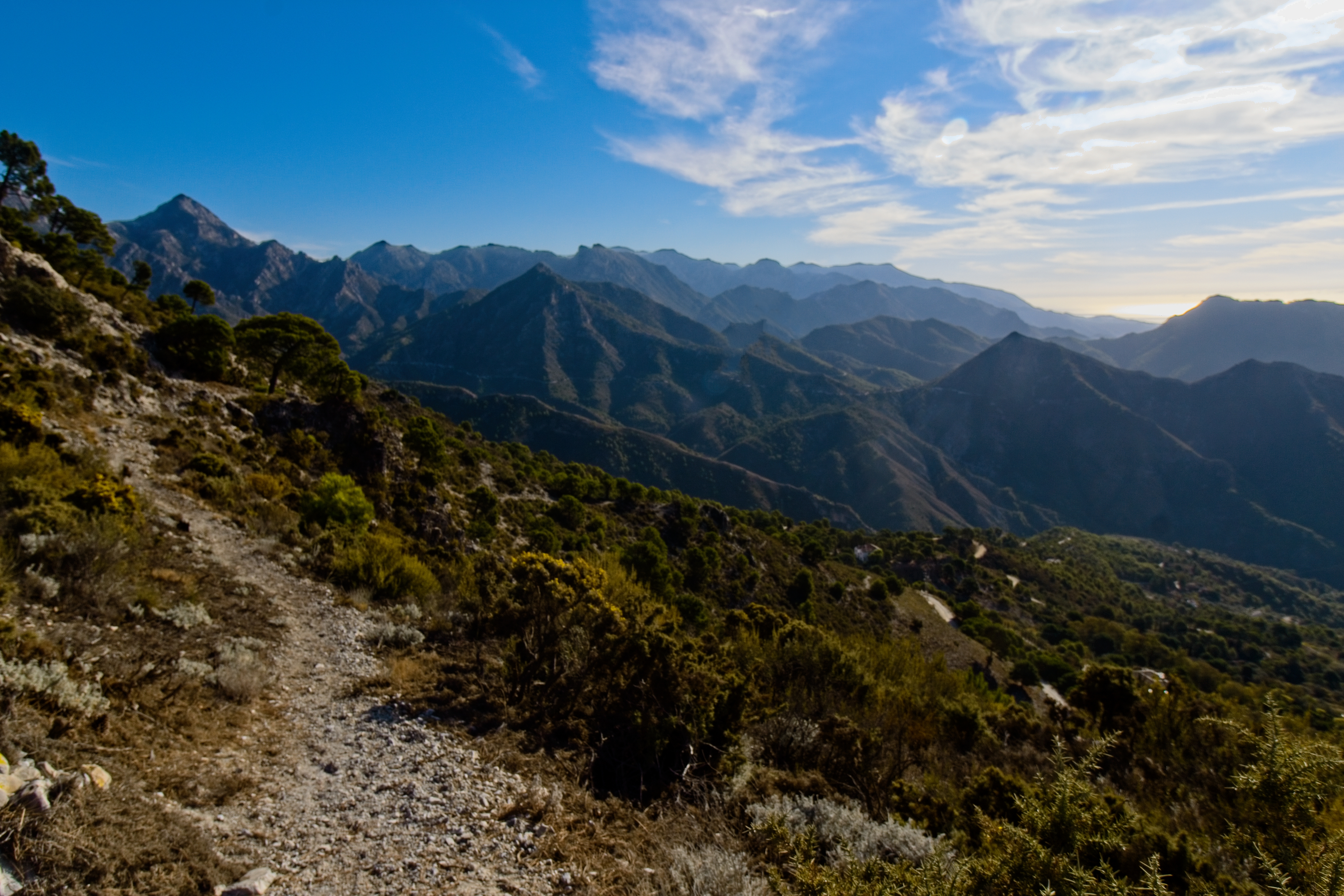
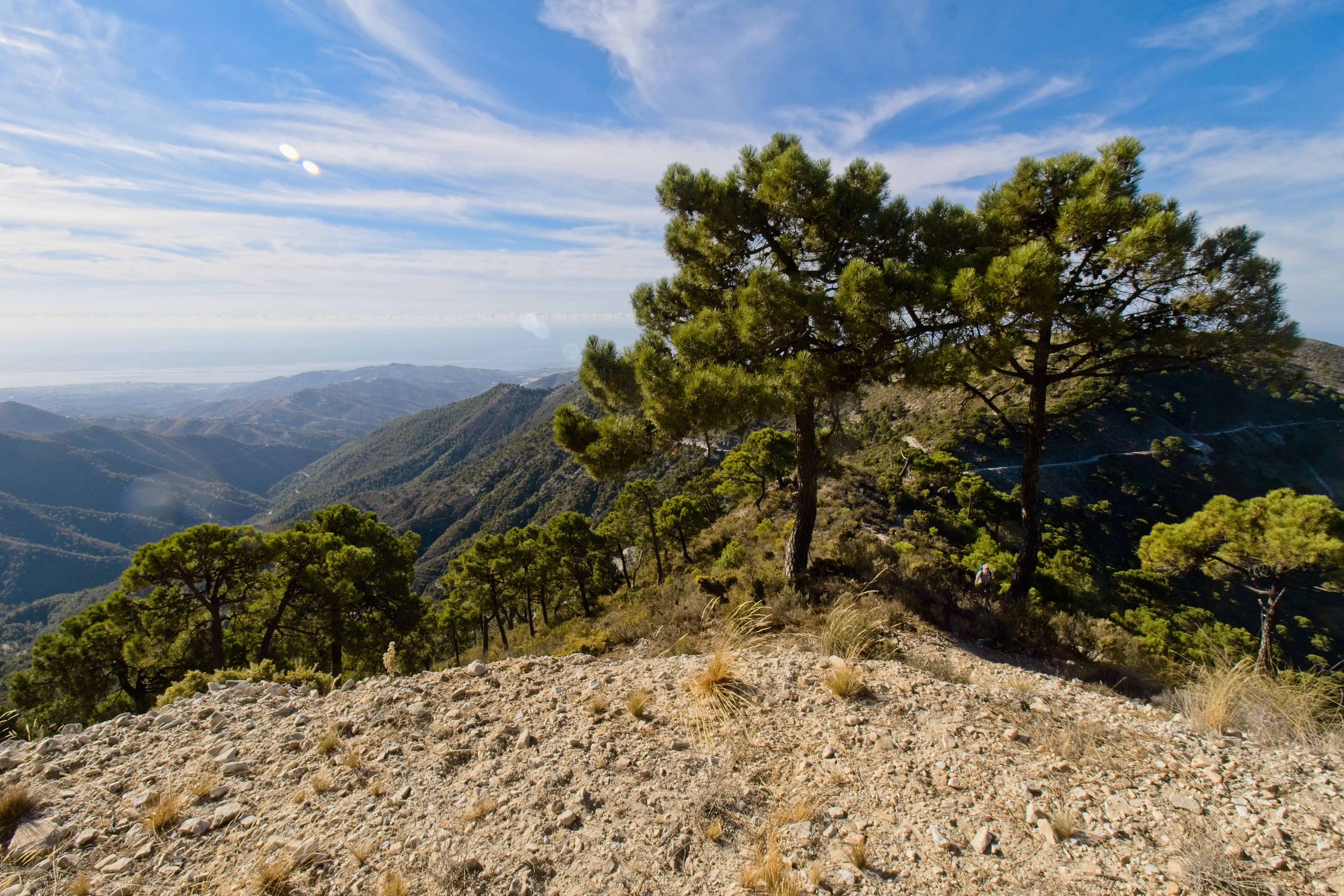
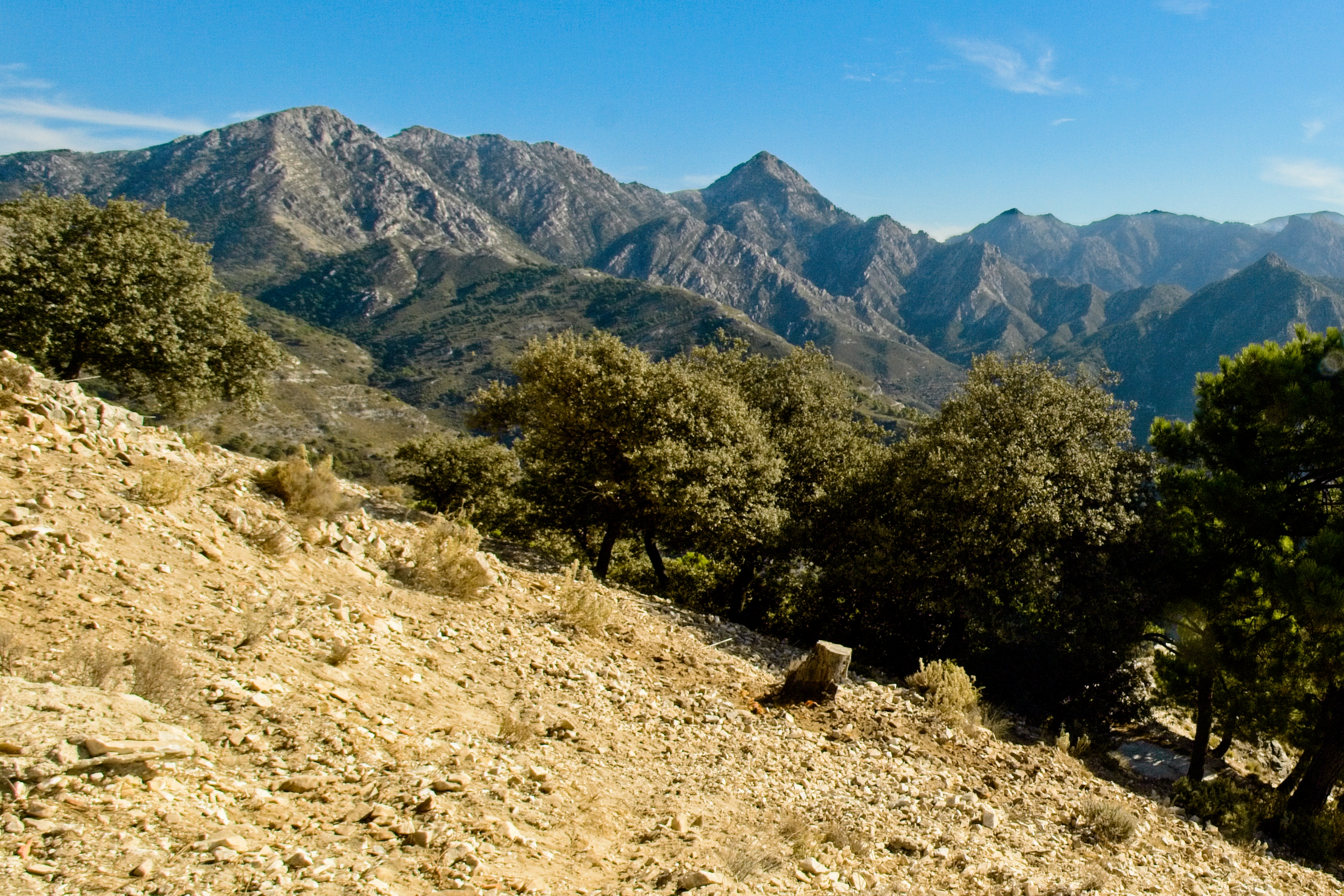
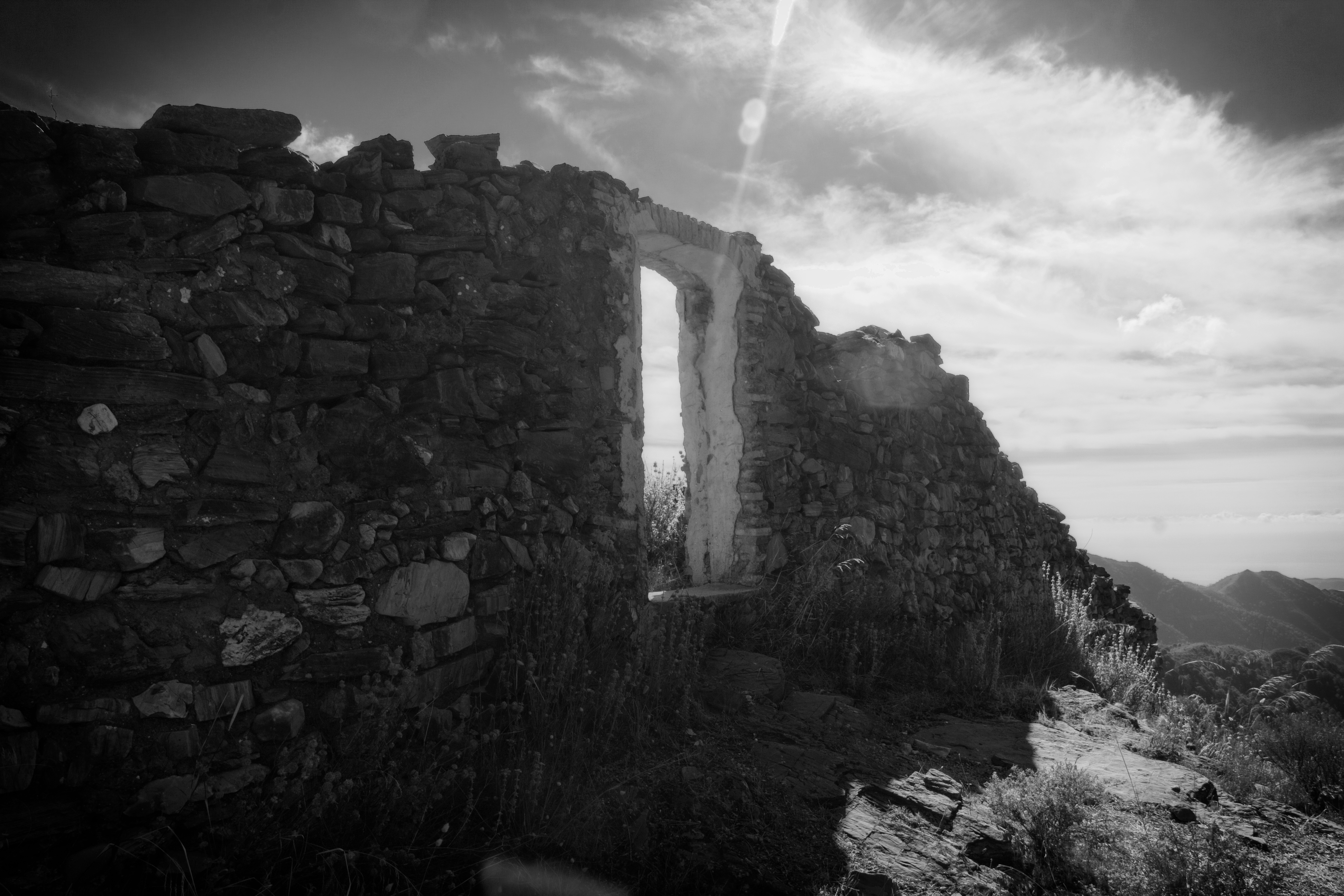
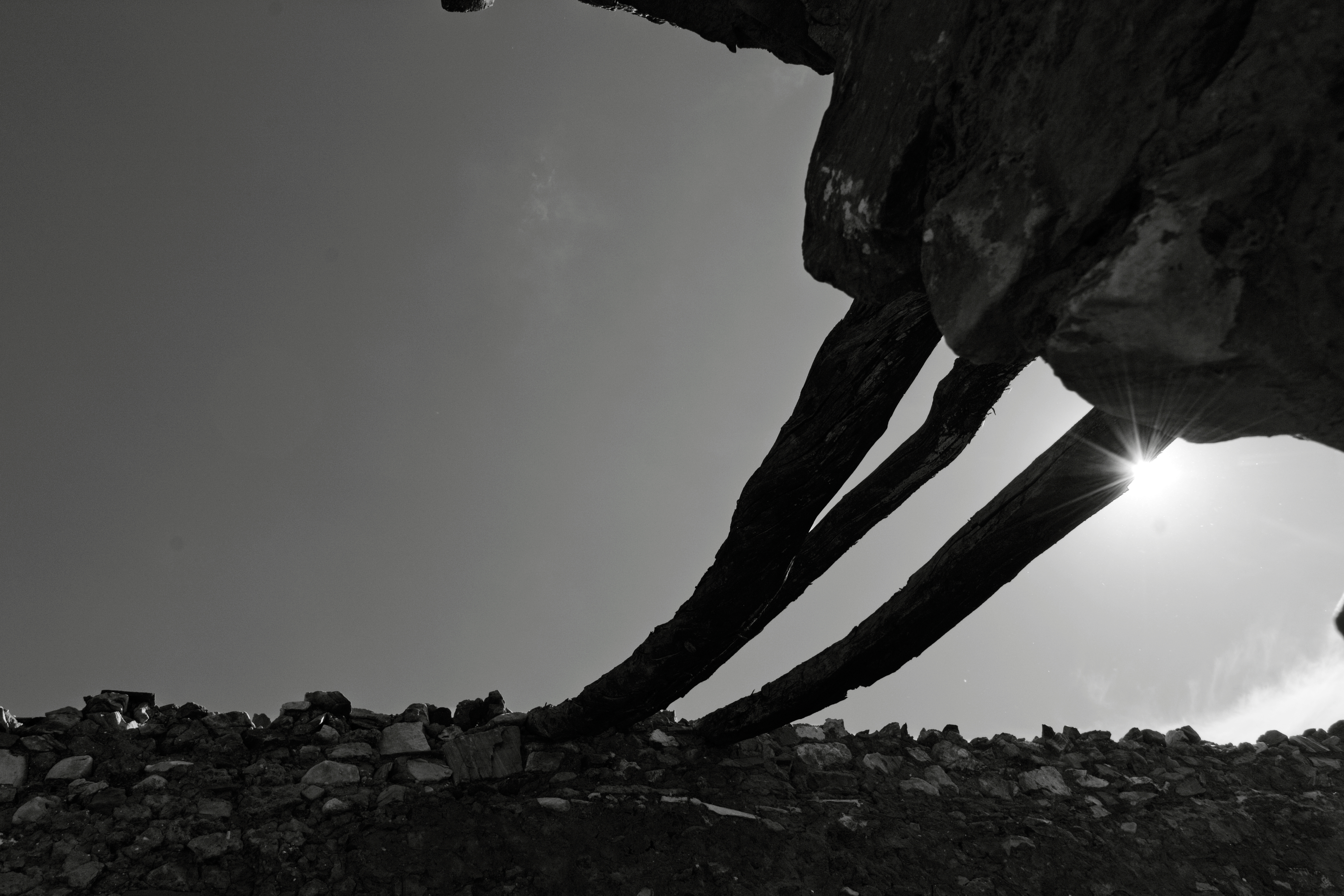
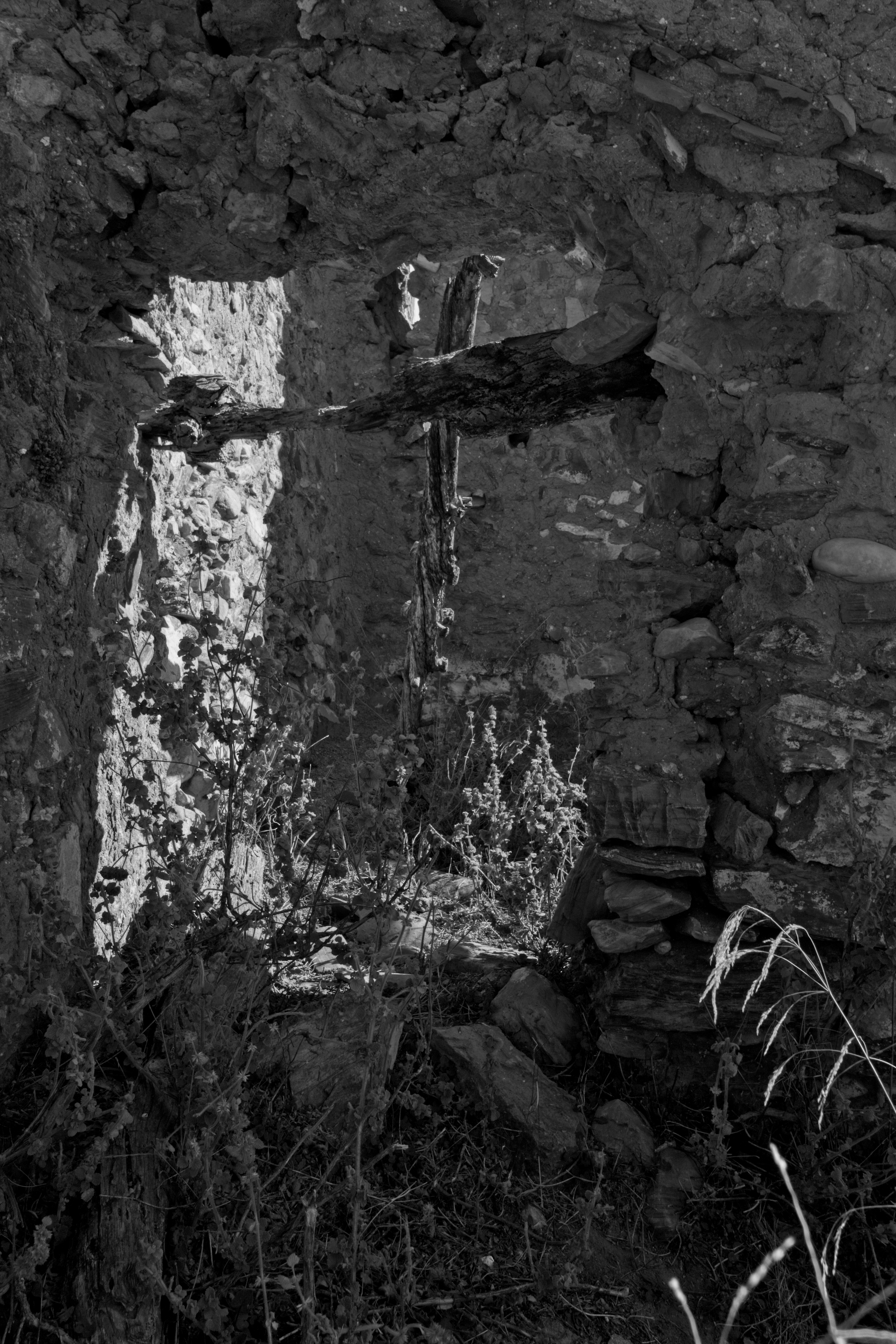
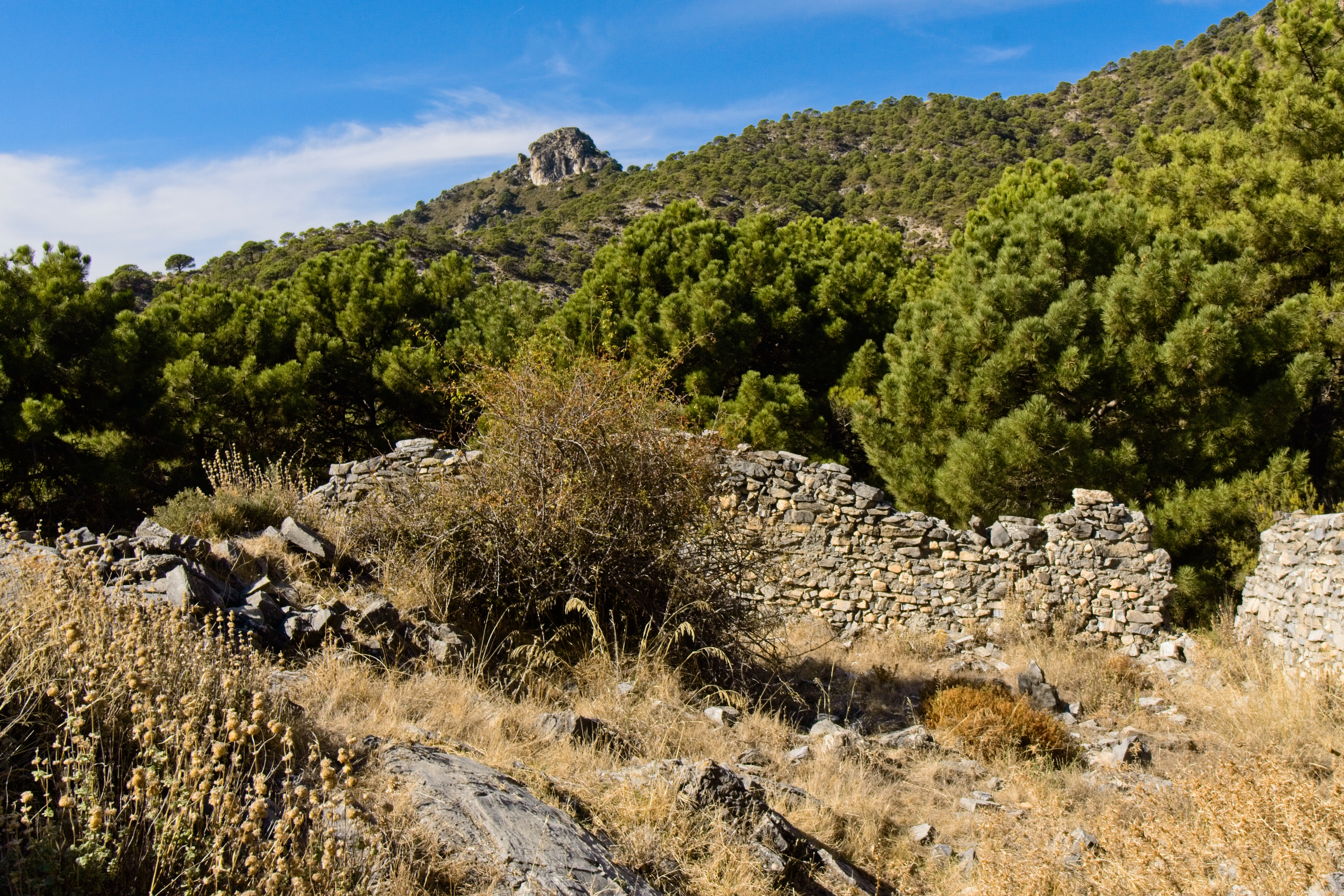
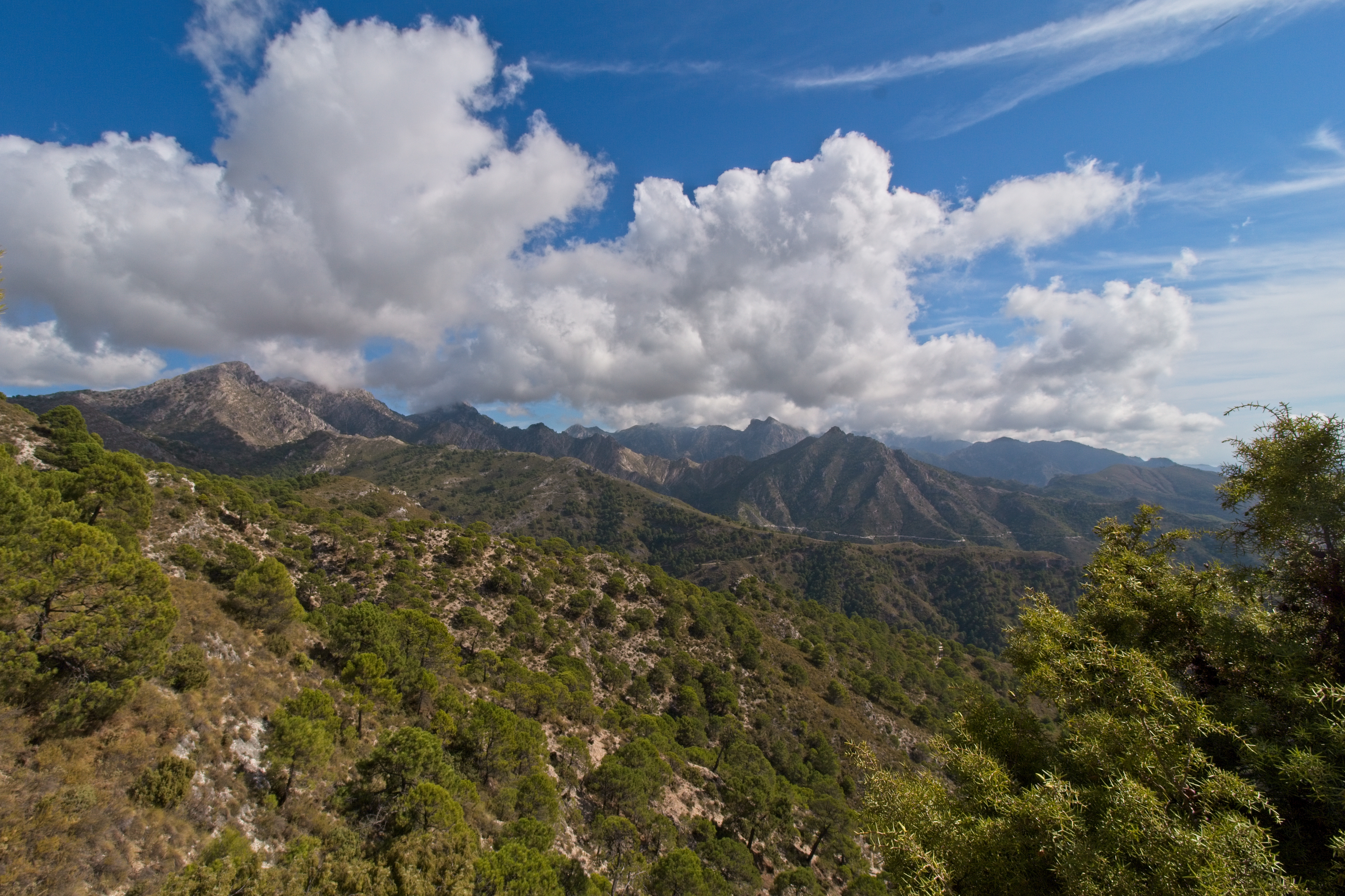
Day 3, Cindy, Cheri and I took the easier route. As you’ll see, this didn’t involve less climbing but it was a bit shorter hike. For about the first two-thirds of the hike we followed a river, then climbed up over the ridge and down to the village of Salares, where we were picked up and driven back to Canillas.
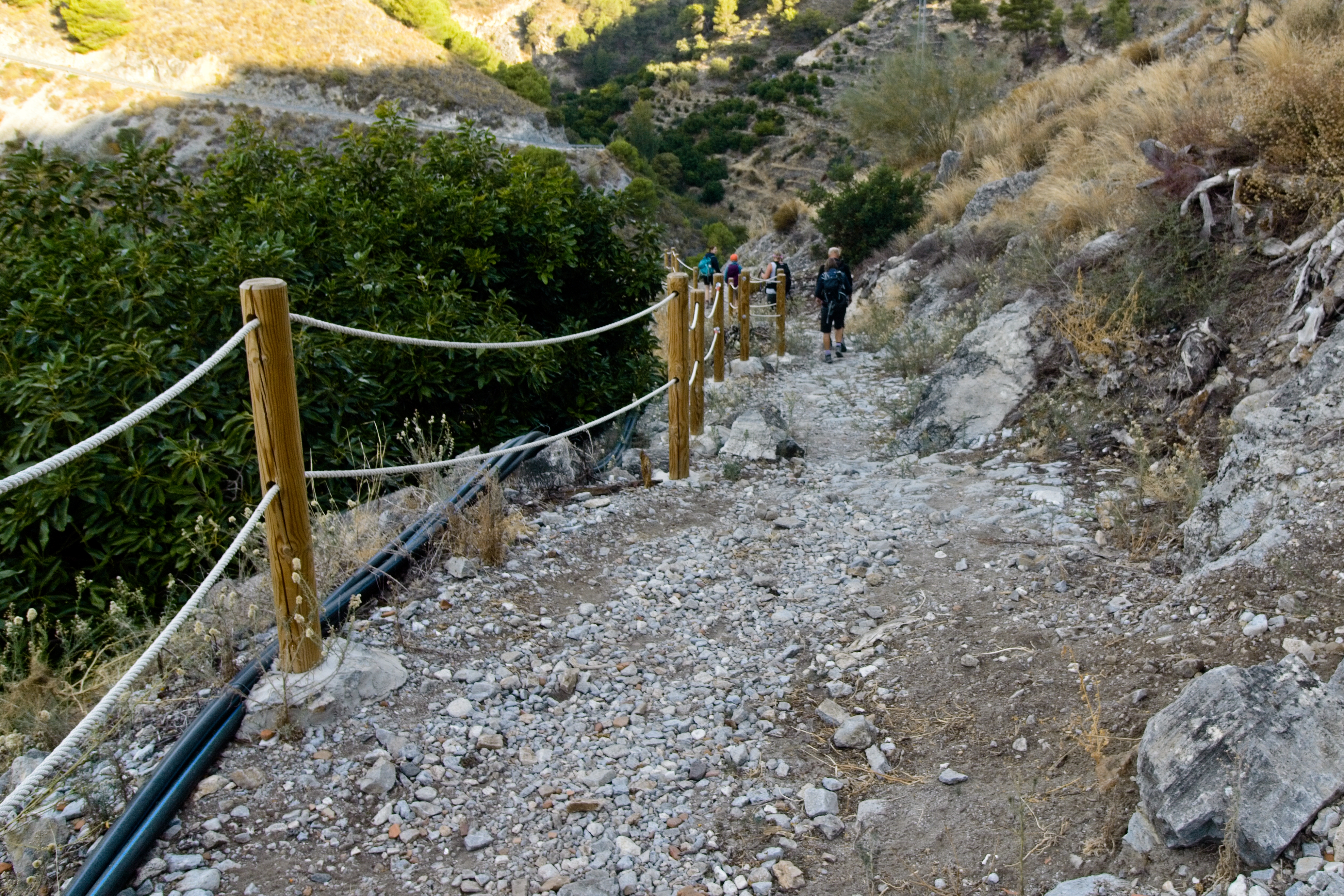

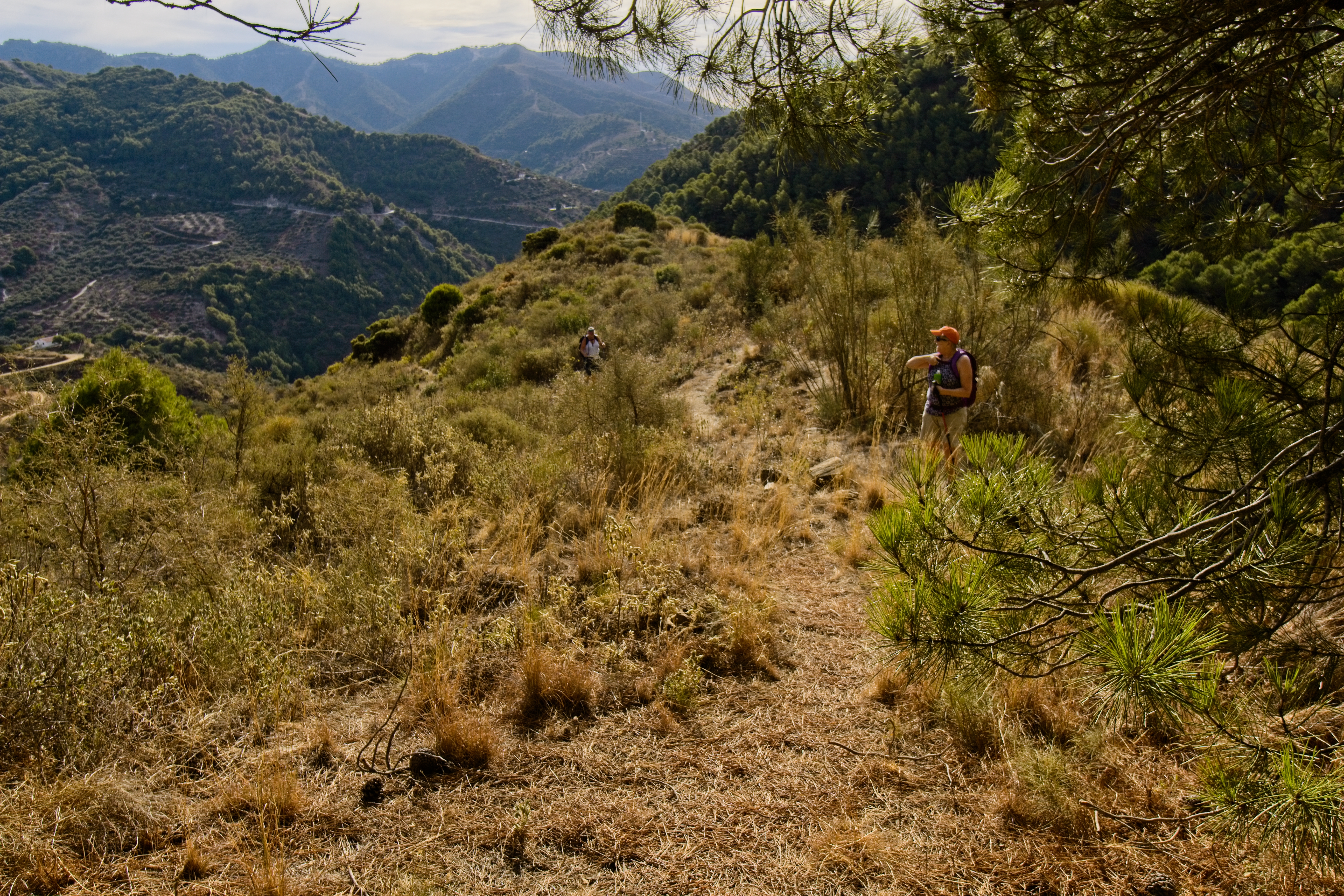
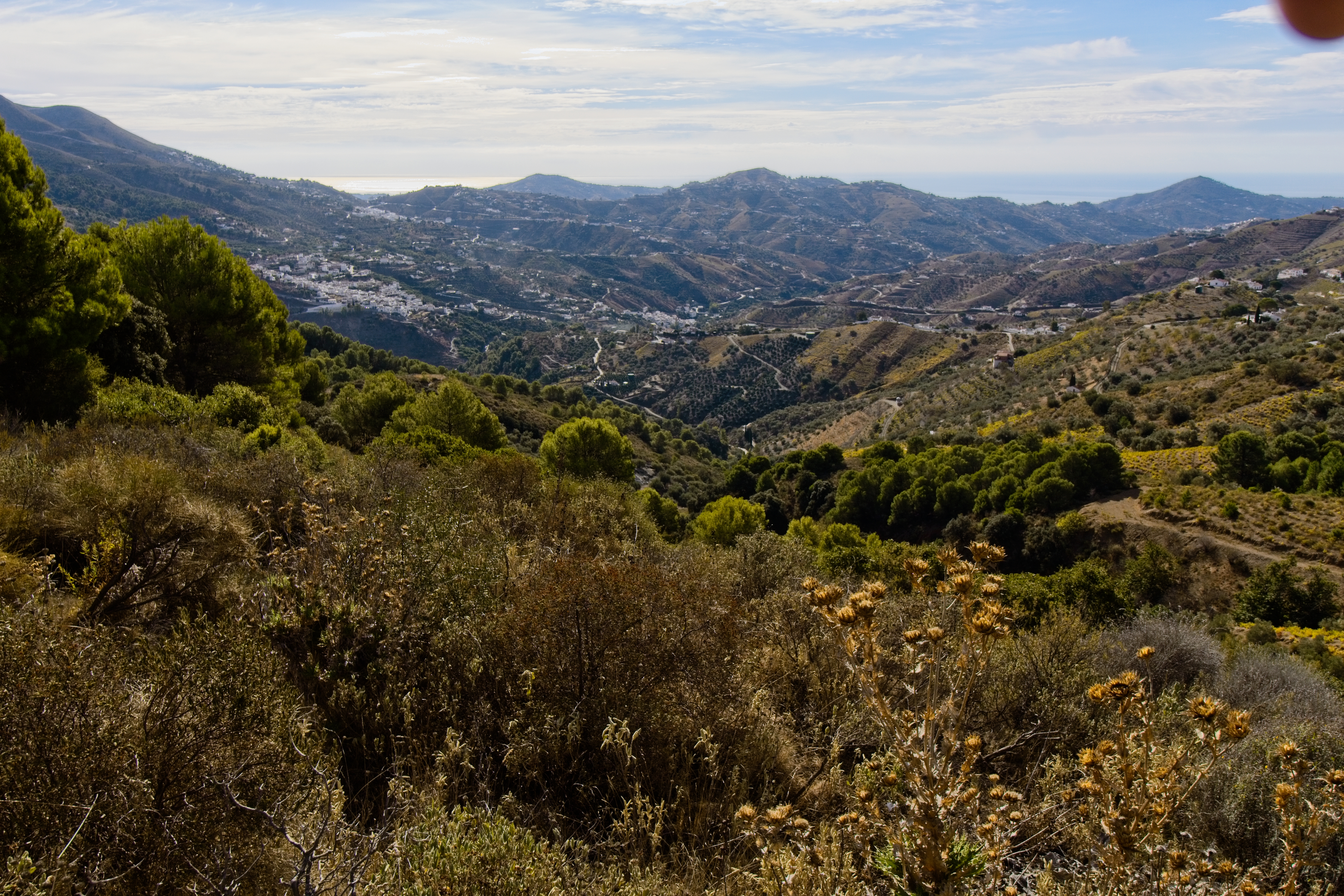

We took a day off of hiking and caught a ride with Gustavo to Nerja, a beautiful costal town that you’ll have to imagine or visit; I took no photos. Robbie found a hotel there where she wouldn’t have to sit and wait for us every day as her knees just weren’t up to the descents; she was able to get into a very nice hotel and see a physical therapist who helped her quite a lot.
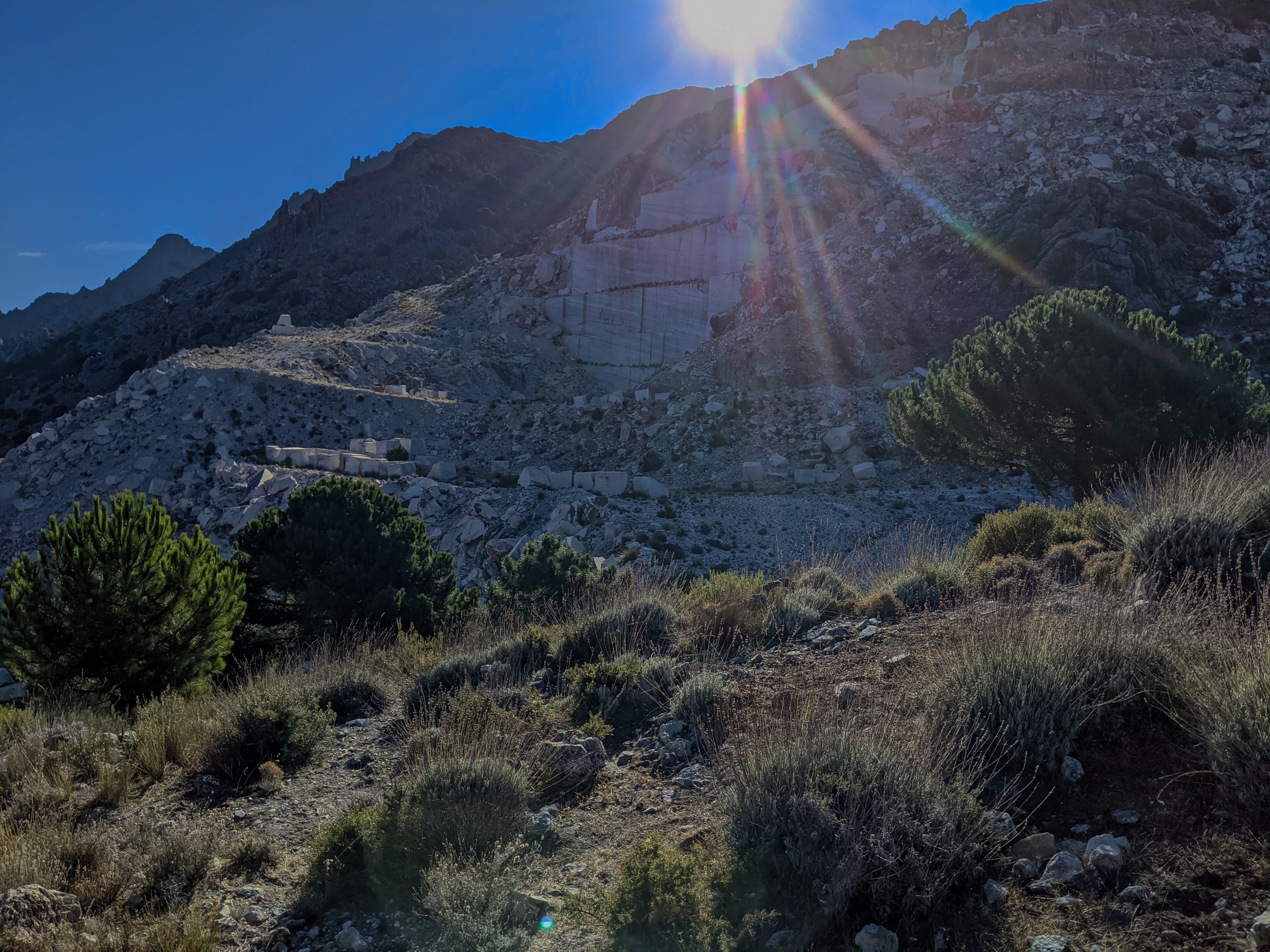
The next day was The Big Hike, the toughest of the week, through the Puerto de Competa to Cerro de Lucero, a mountain that dominates the park from the center. I was the only one of our party to choose this hike, C&C took the less strenuous option. The day began with a 40-minute drive over some pretty rough roads to the trailhead, followed by a steep ascent to the Puerto de Cómpeta, a pass through the mountains that sits at about 1500 meters. A moderate descent was followed by a further climb to Lucero at 1774 meters. Franco had a lookout built there after the Civil War because the region was a center of resistance and this mountain allowed them to see any movement for miles around. It was abandoned after the guerillas were finally defeated in 1951 but there’s a grim story that two watchers were found with their throats slit somewhere in that time. Locals were forced to bring food and supplies to the troops up there, so they were not well loved.

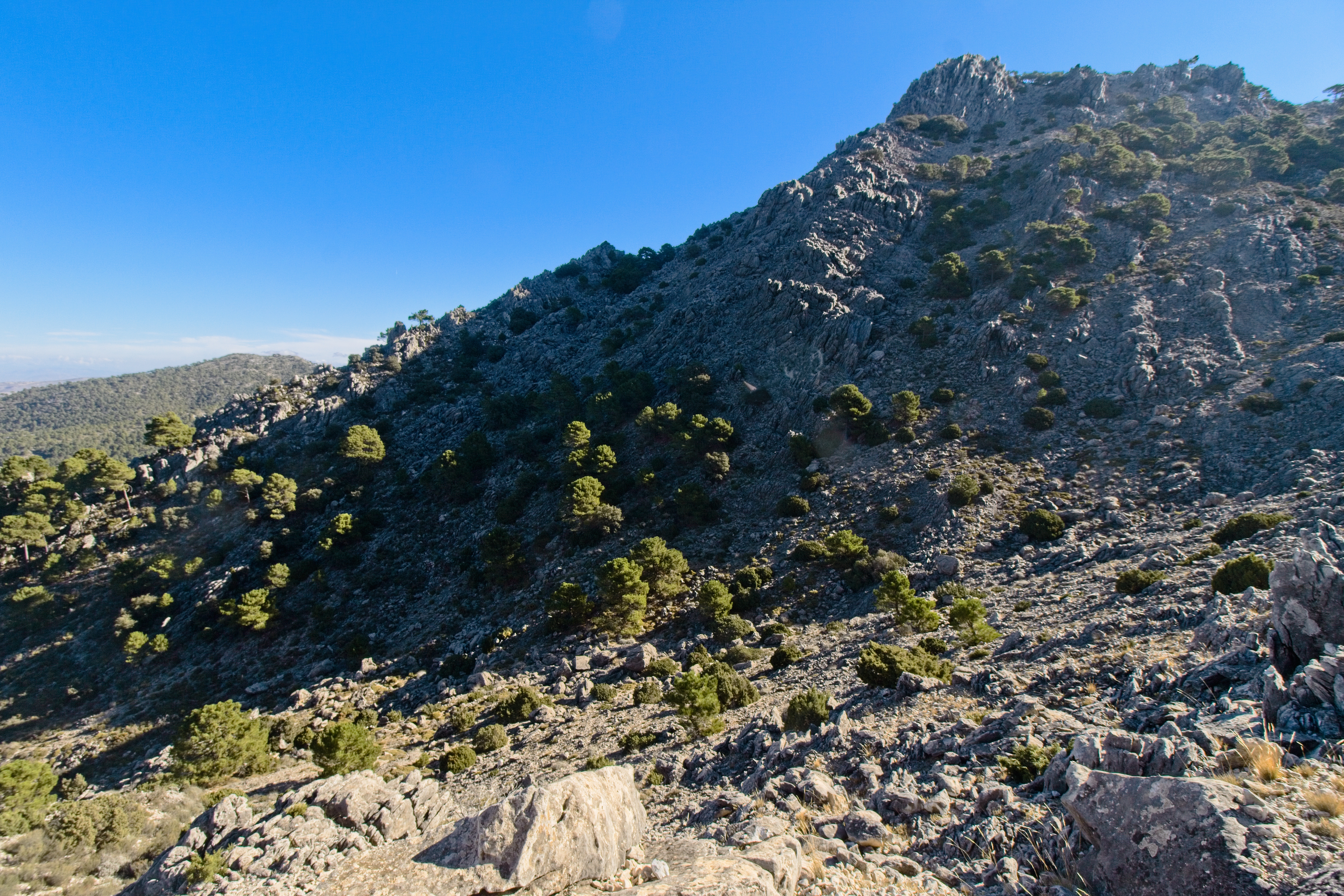
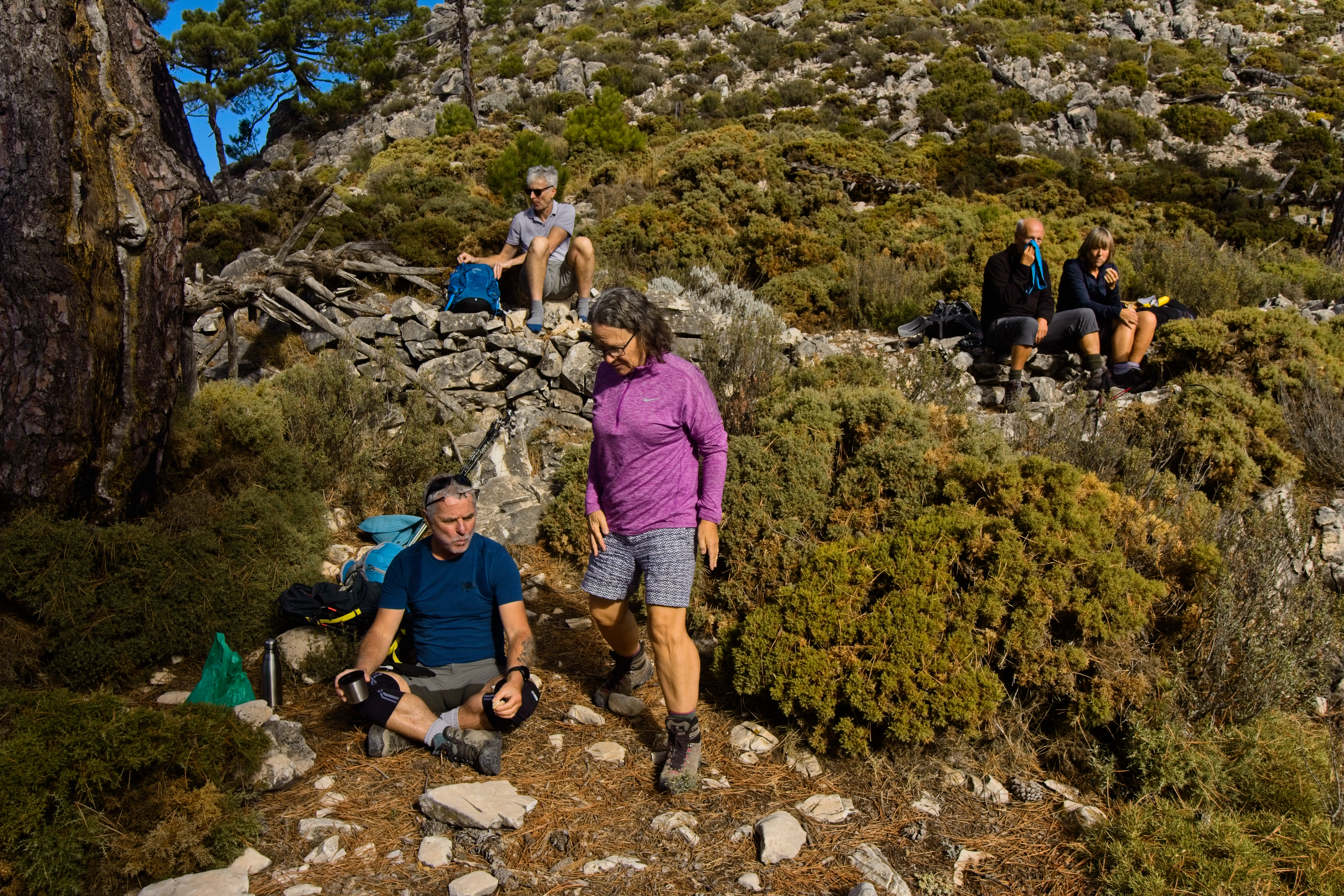
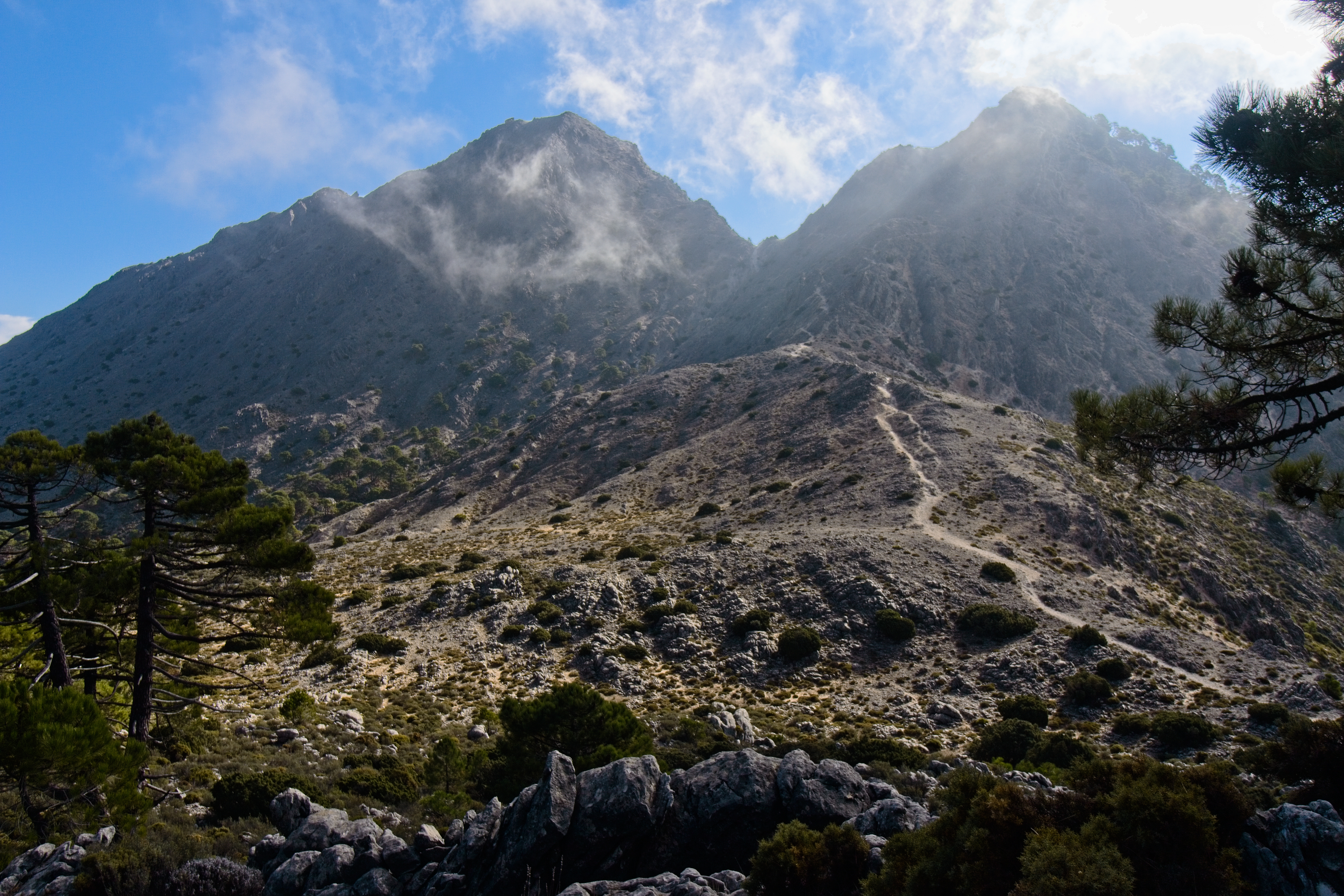
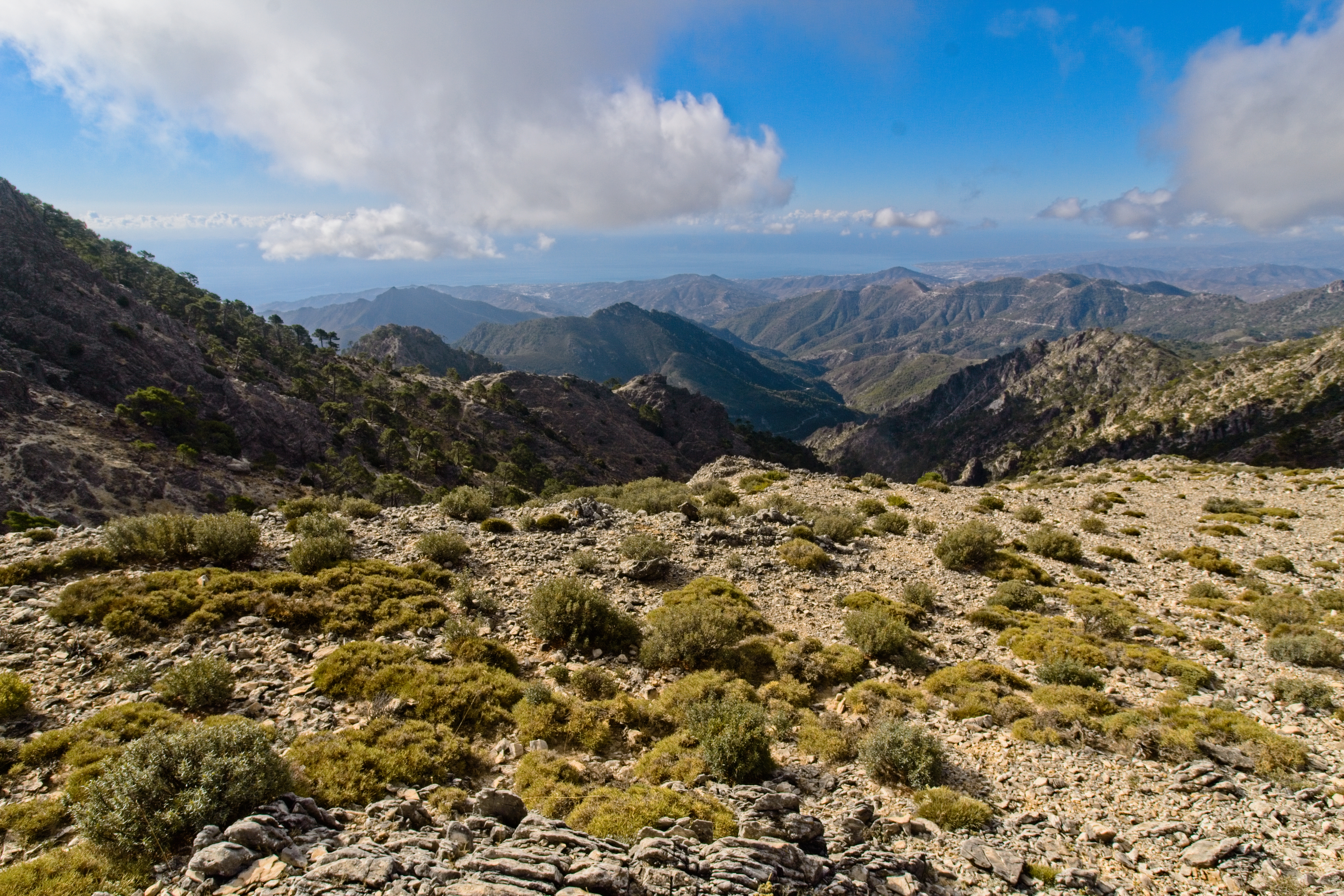

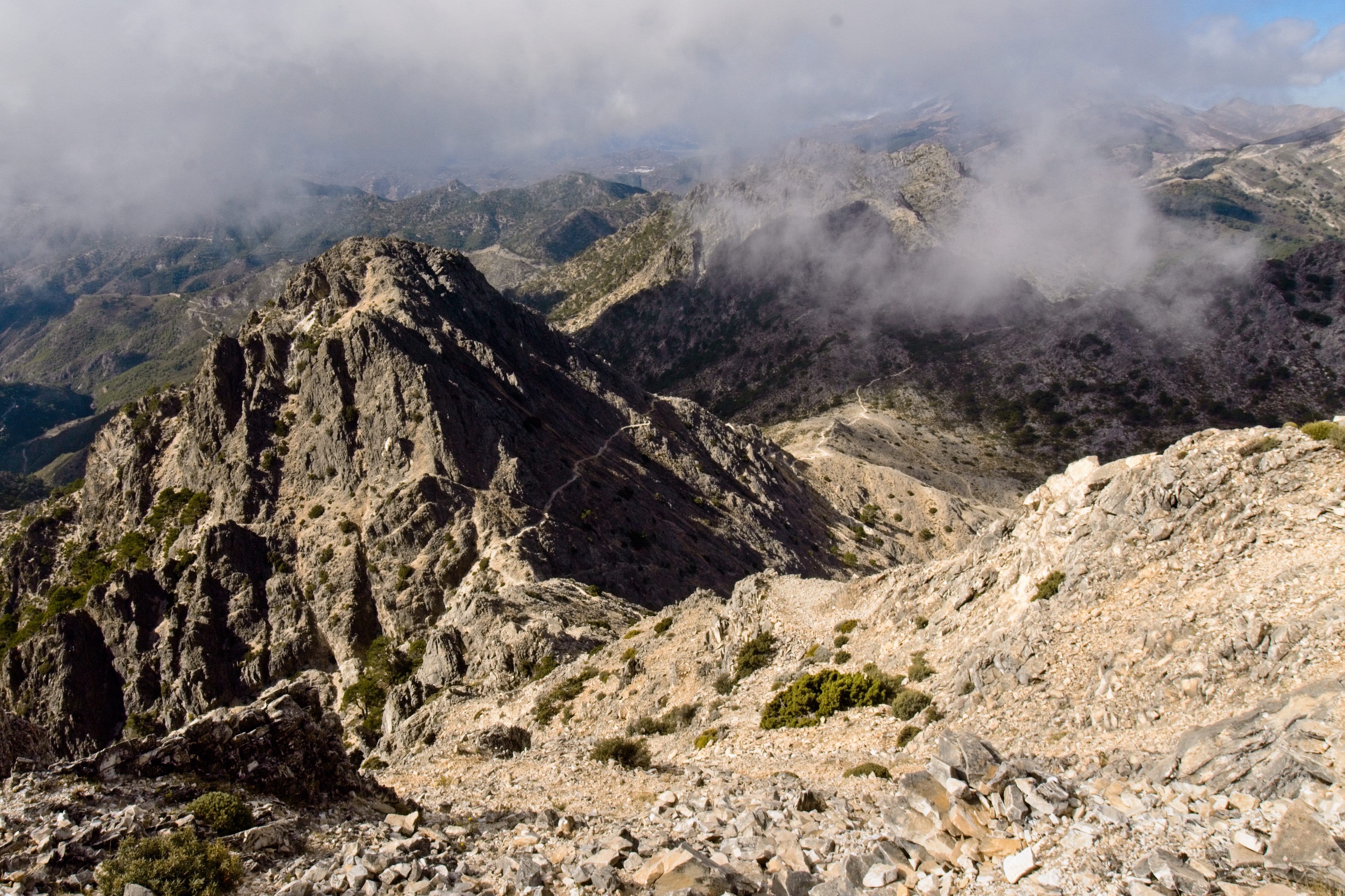
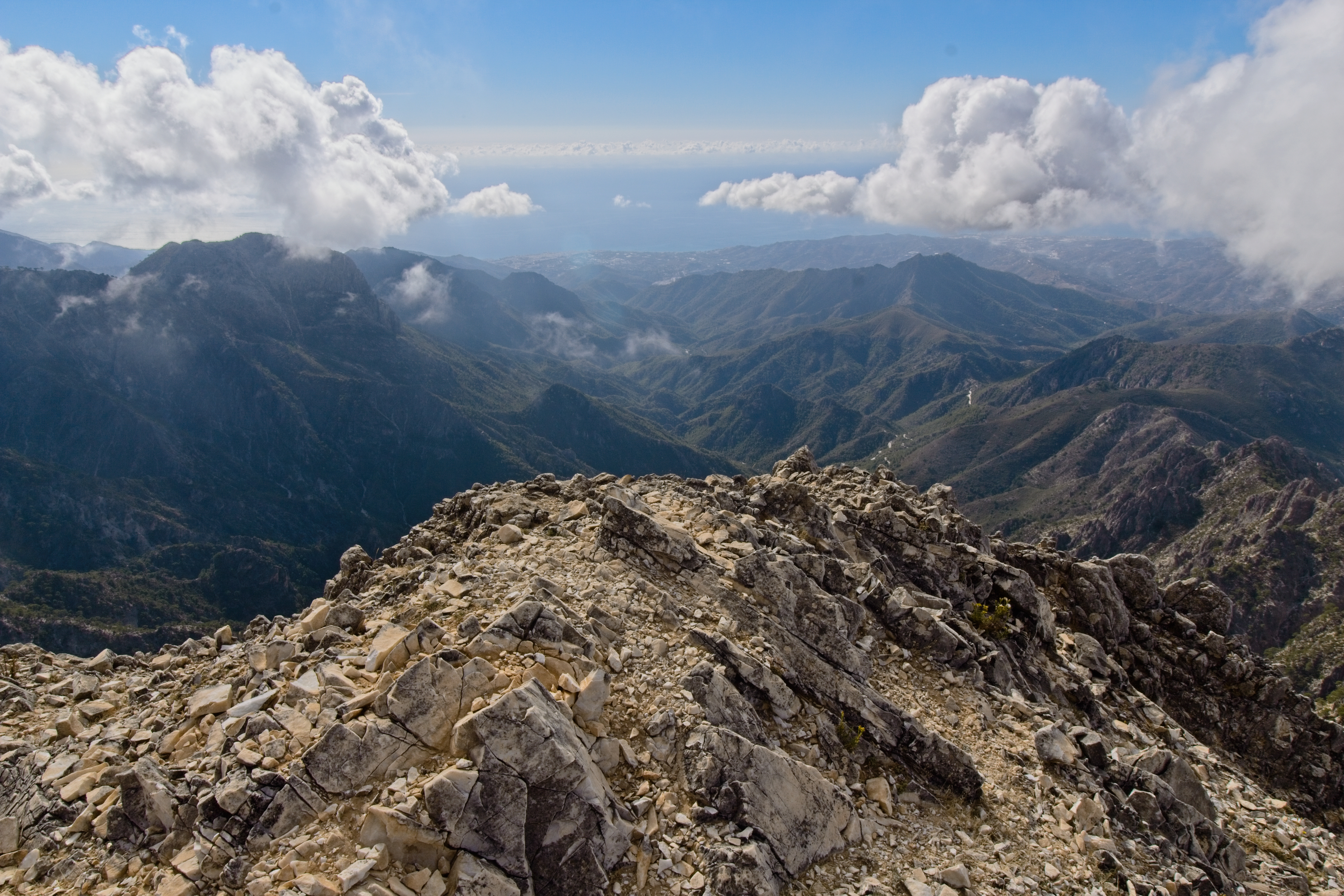
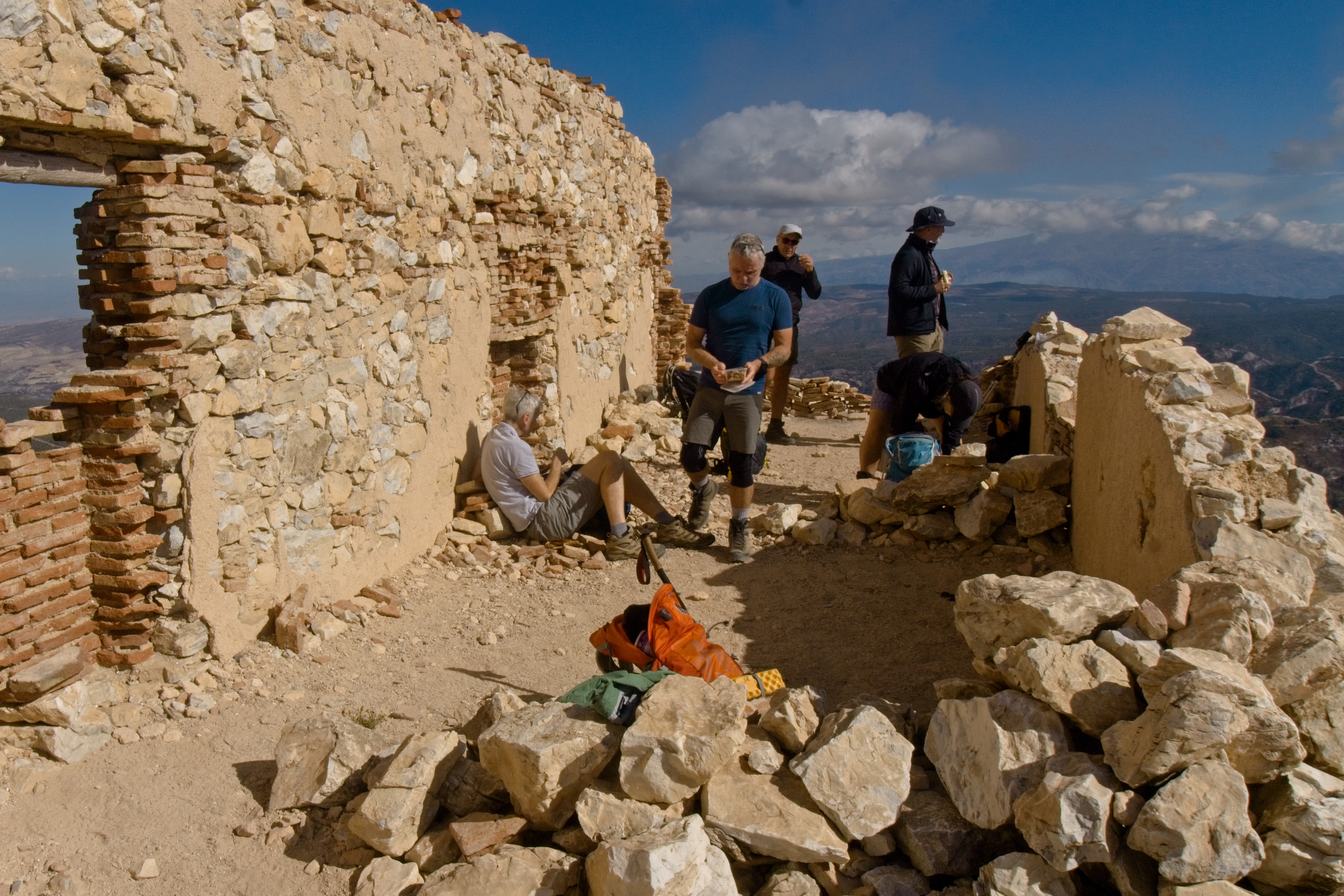
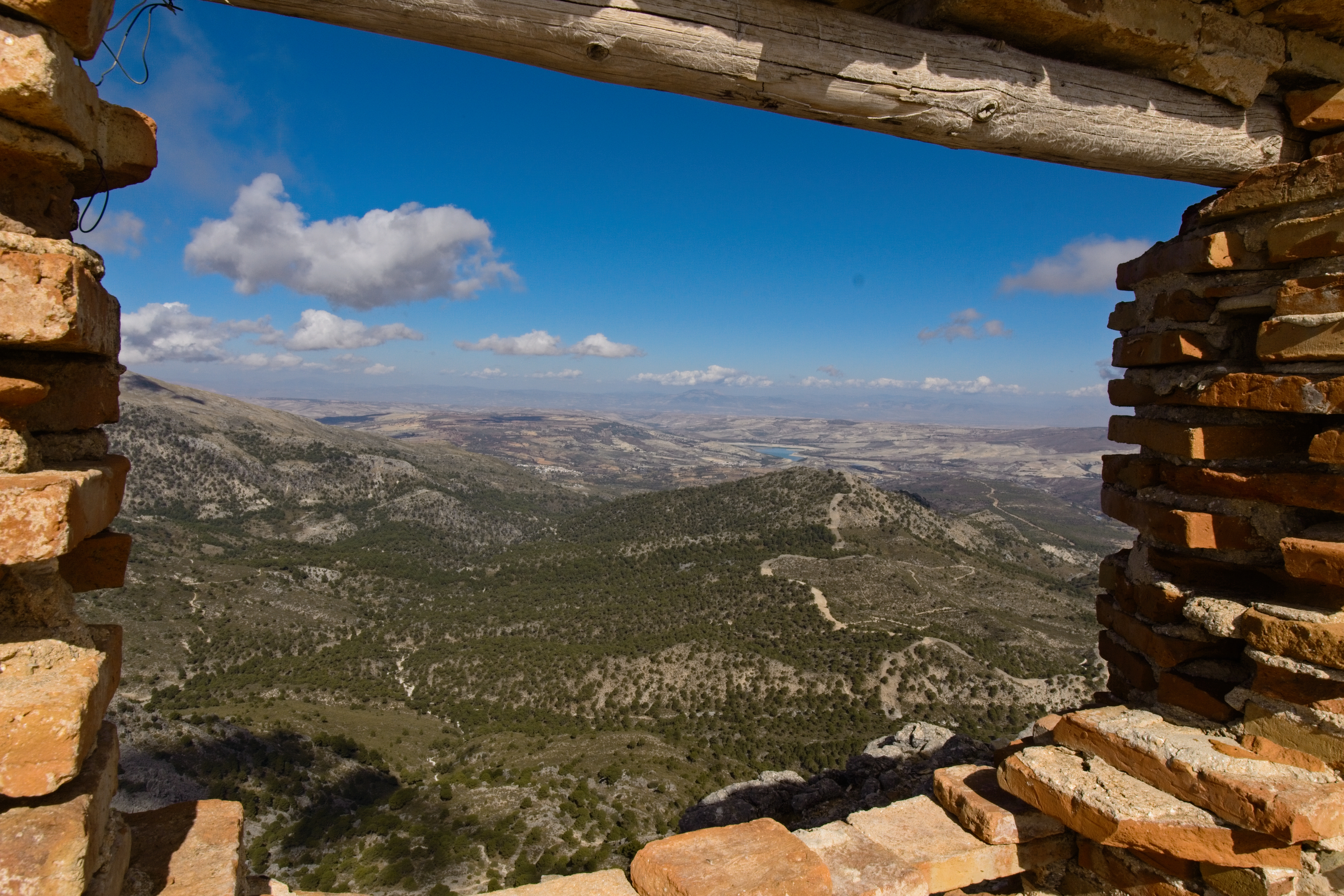
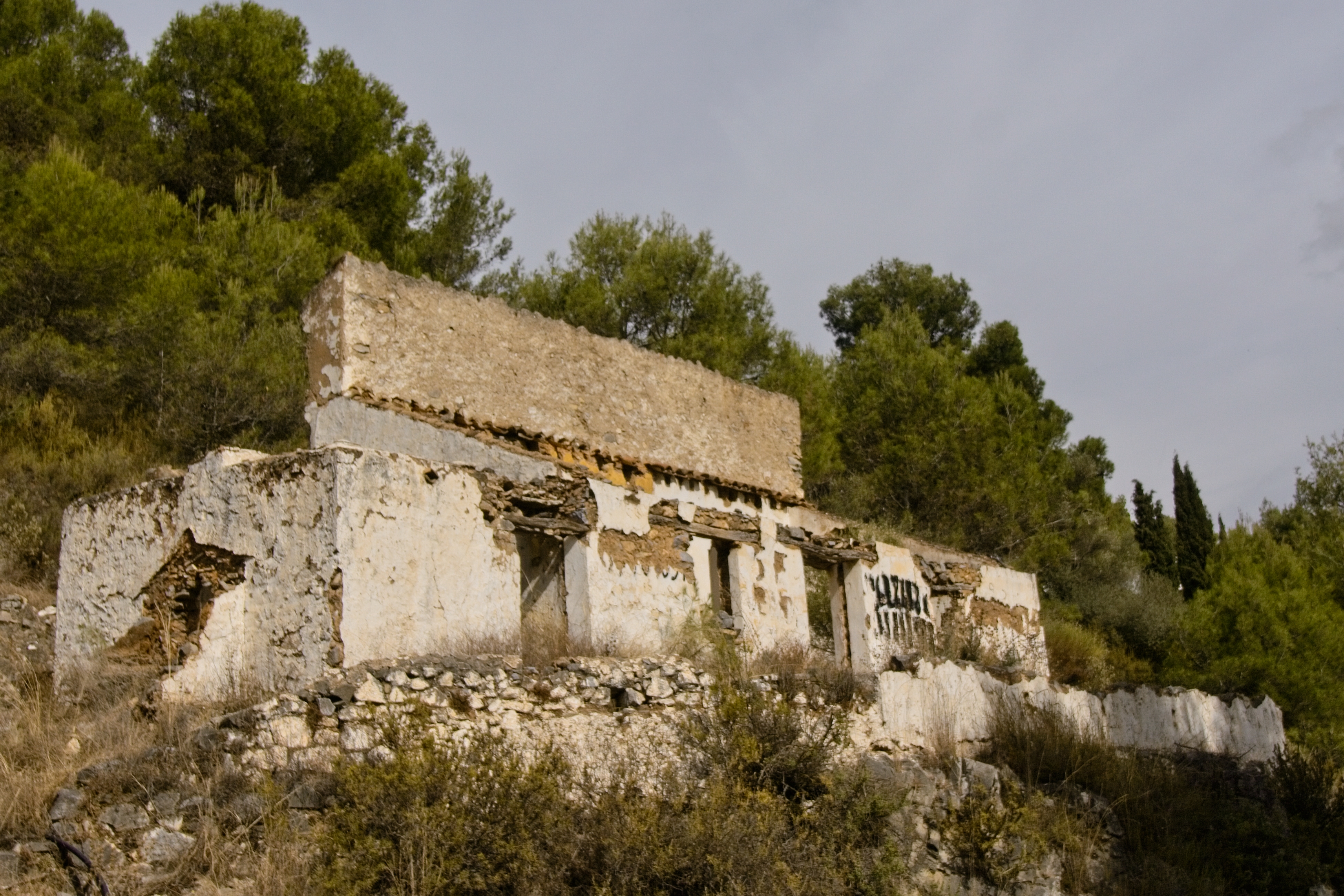
Our final hike was a bit less strenuous, though not without elevation changes, to the village of Acebuchal. The hike was beautiful again, ho hum, but the story of the town was fascinating. You should read the story but I’ll provide a precís: long a stopover on the Silk Road, at the time of the Civil War it held about 200 people. The region fought back against the Fascists and was the site of a great deal of bloodshed, centered in Acebuchal. Resistance continued after the war, so in 1948 Franco drove the residents out and destroyed the buildings of the village in an attempt to starve out the Guerillas. The village remained abandoned until 1998, when Antonio “El Zumbo,” who was a village child at the time the town was destroyed, and his wife began the long slow process of rebuilding the village. They have been successful and have created a lovely little town with an amazing restaurant in the center of the wilderness.
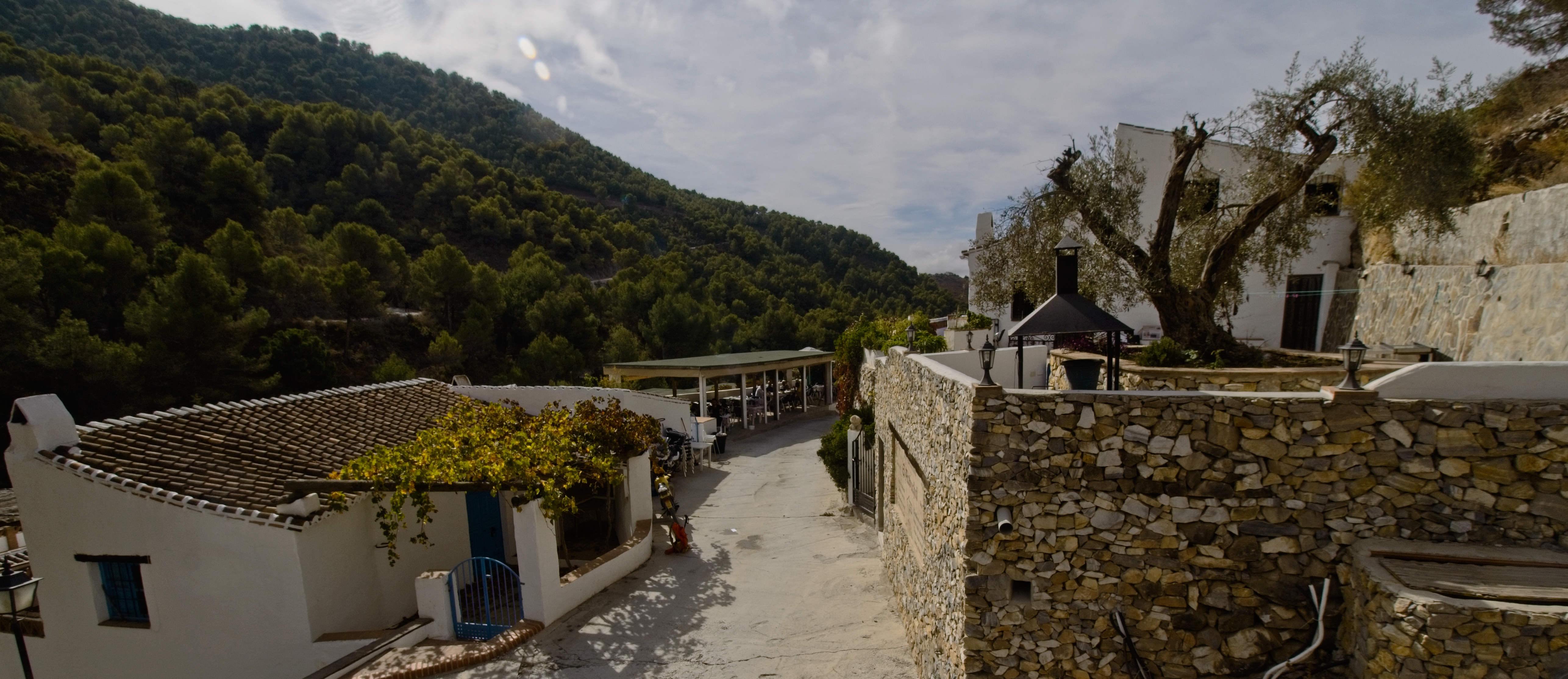
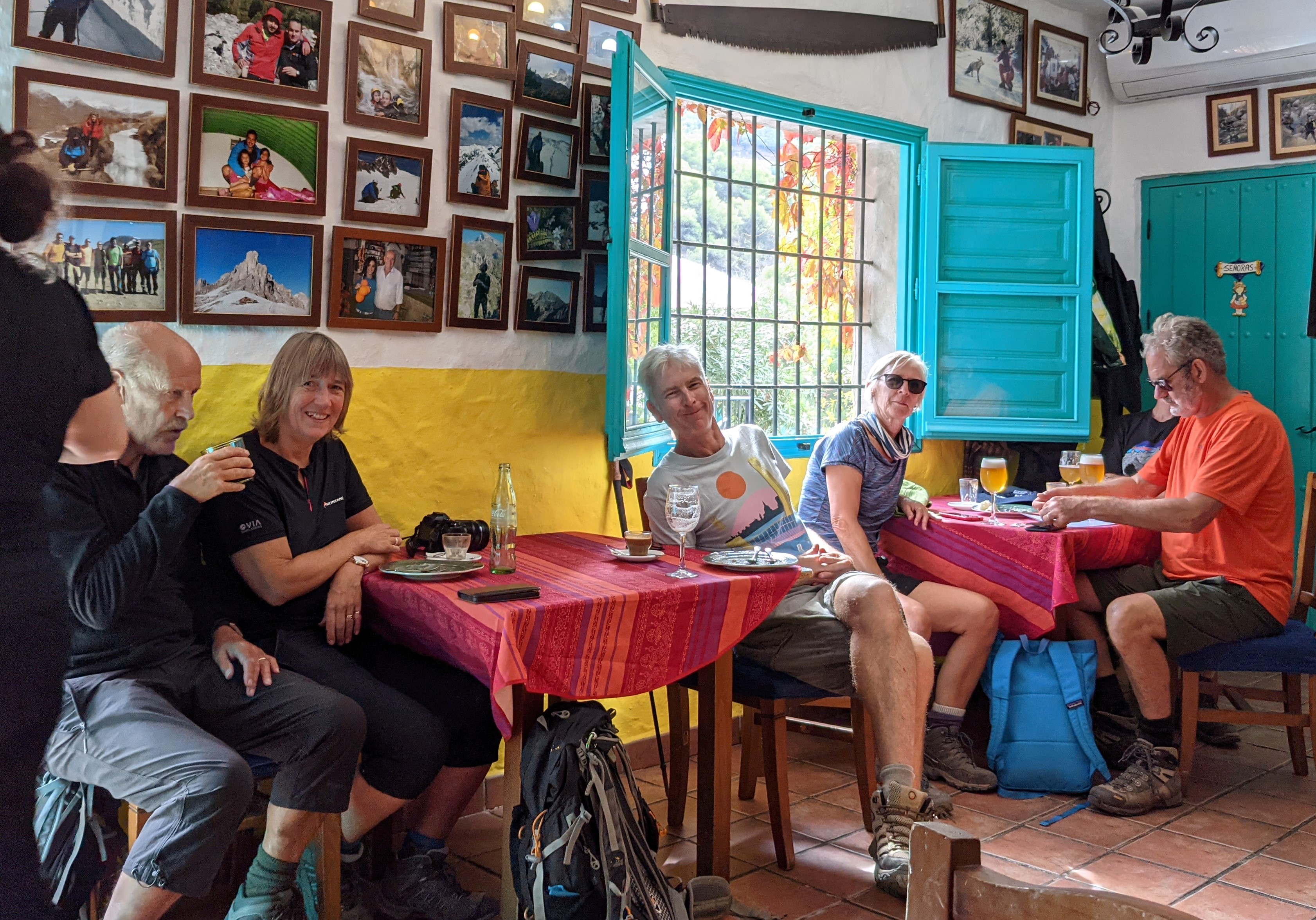
The next day we loaded up the vans and returned to Málaga to meet up with Robbie. Cindy, Robbie and Cheri rented a car to drive up the coast to Valencia, hitting Cordoba and Úbeda along the way. I caught the train back to Valencia to await their arrival.
Toledo
Once reassembled, we rented a car and drove to Toledo. Cheri, who had by this time acquired a monumental cold, was a trouper and drove like a champ. Toledo is an ancient city located on the Tagus river some 70 KM southwest of Madrid and recognized since Roman times as a fantastic natural fortification.
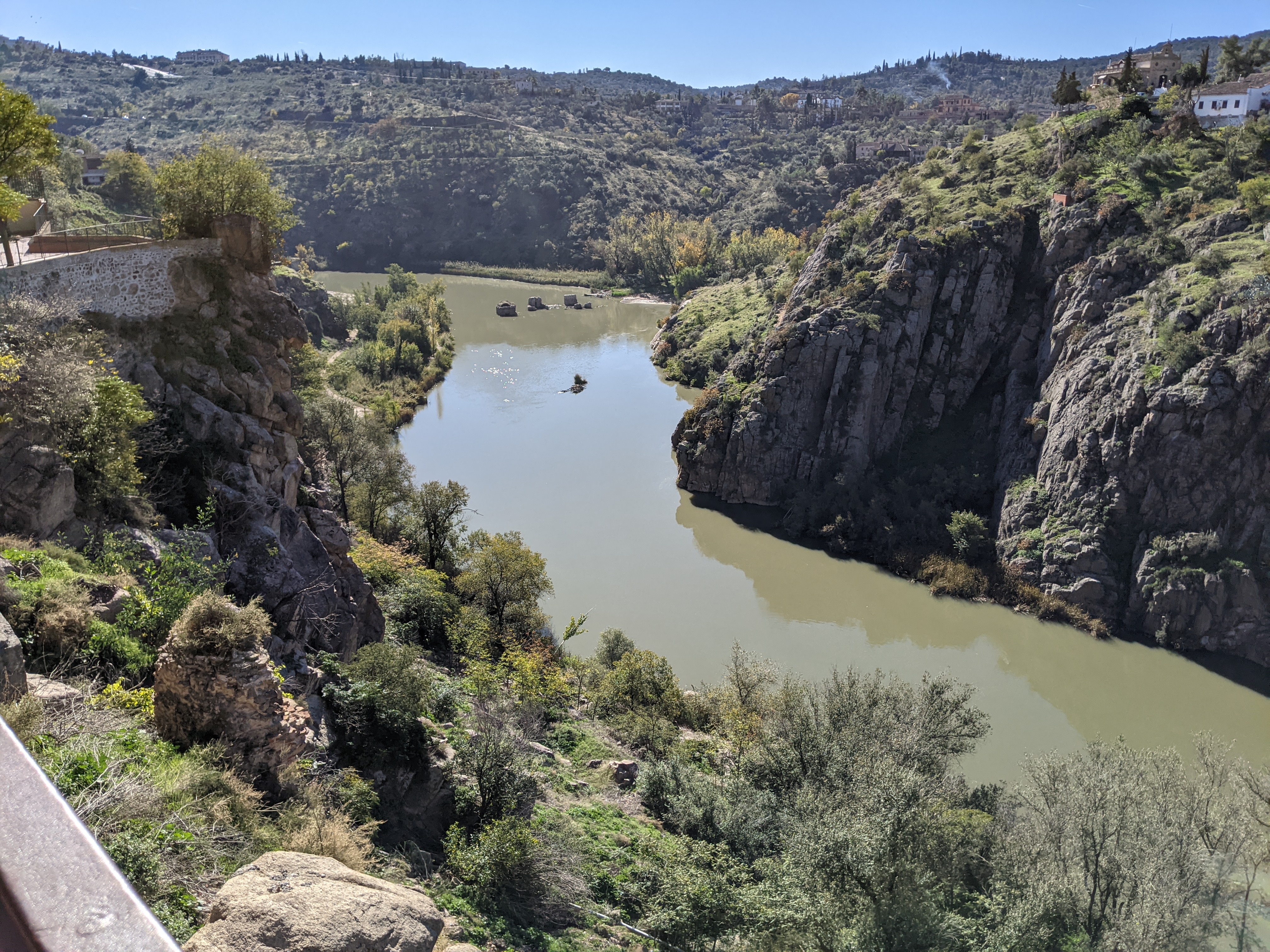
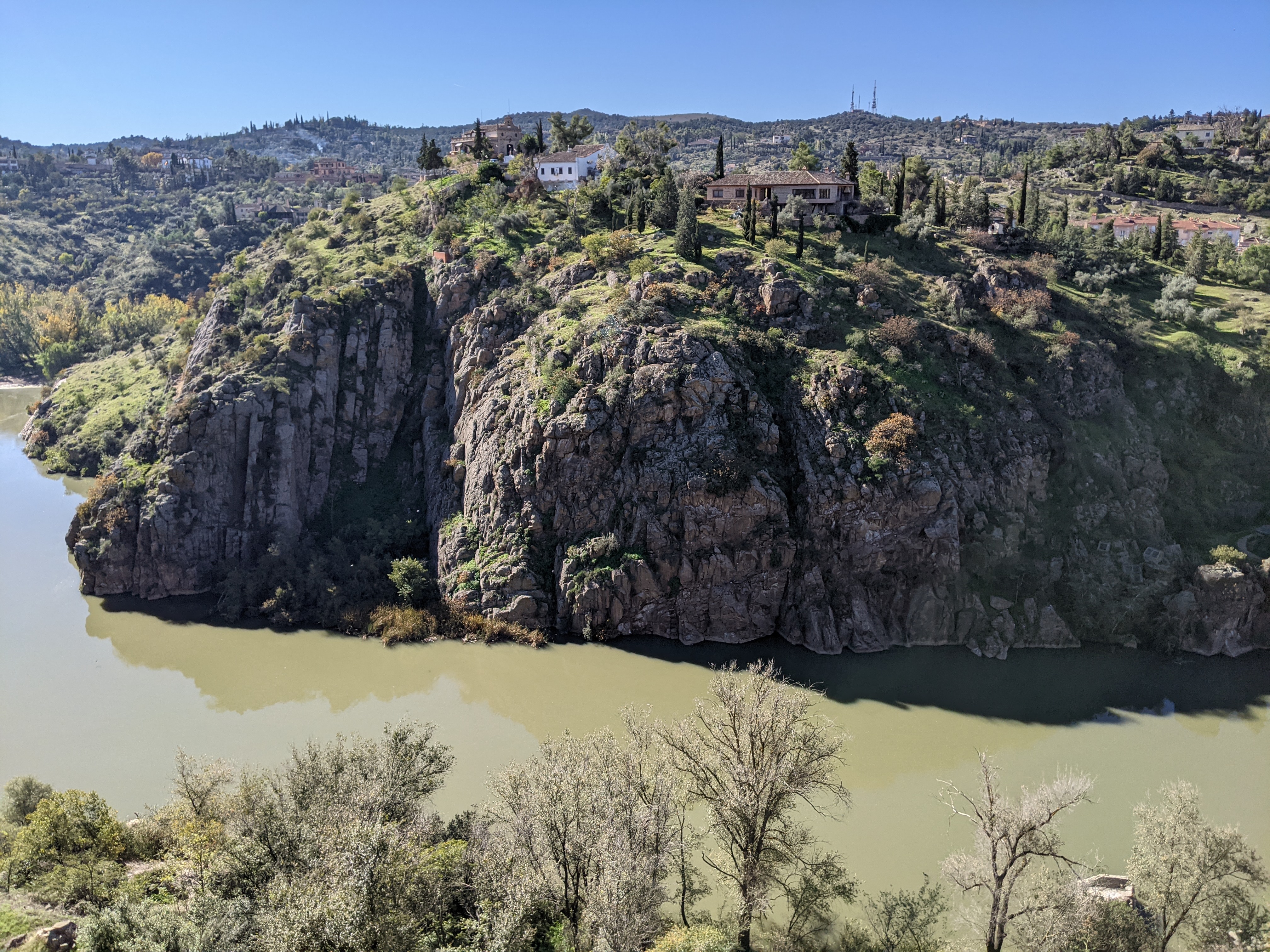
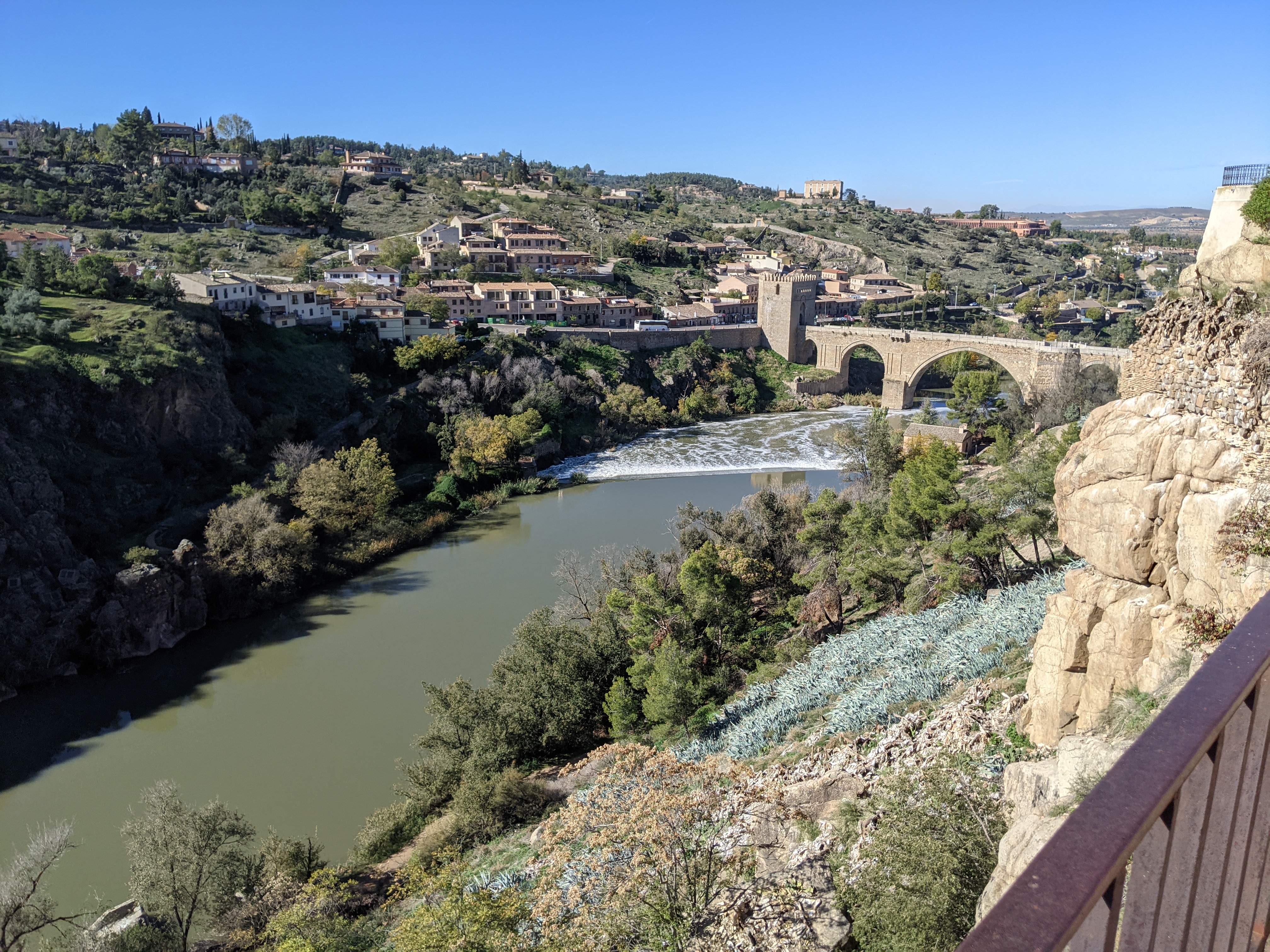
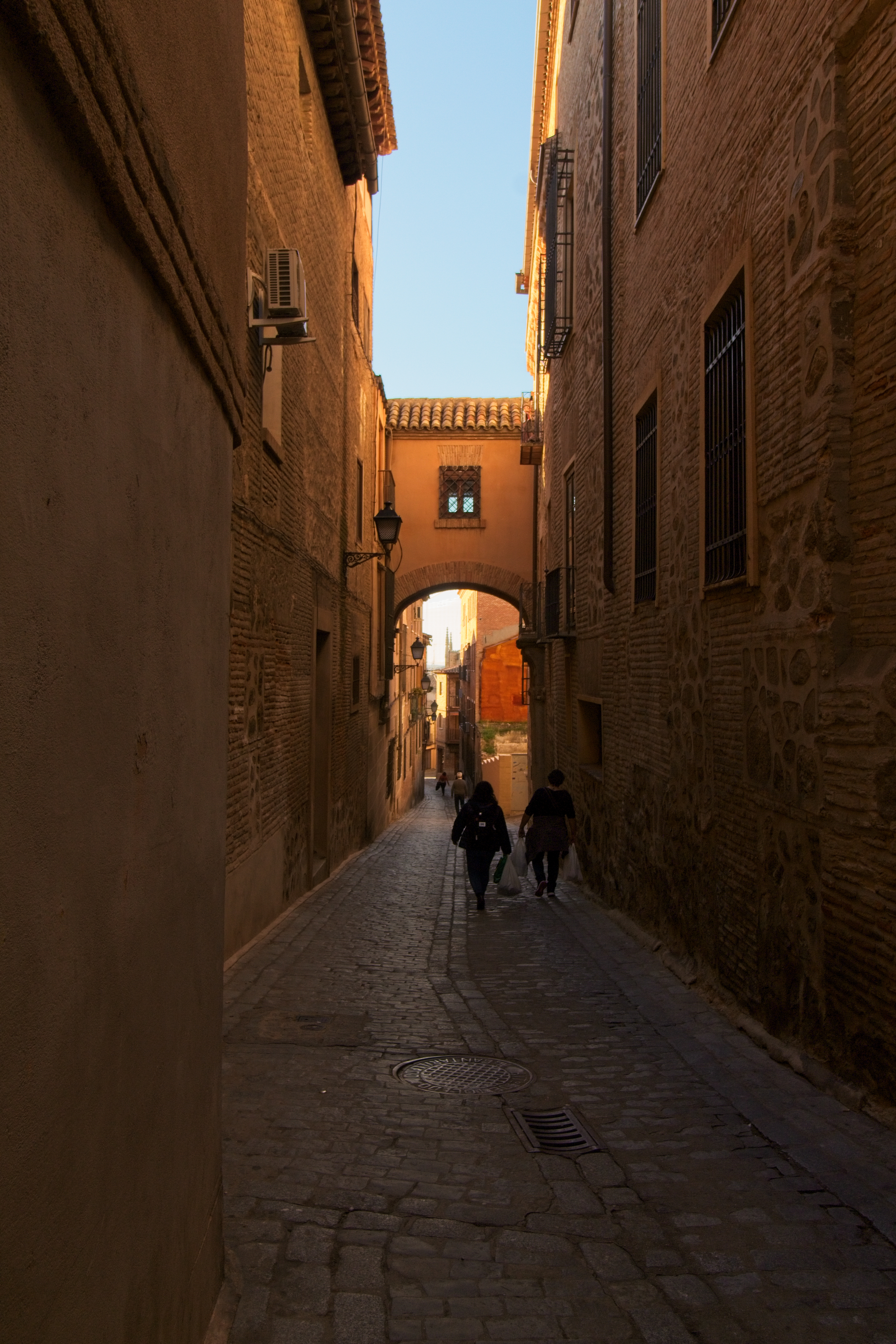
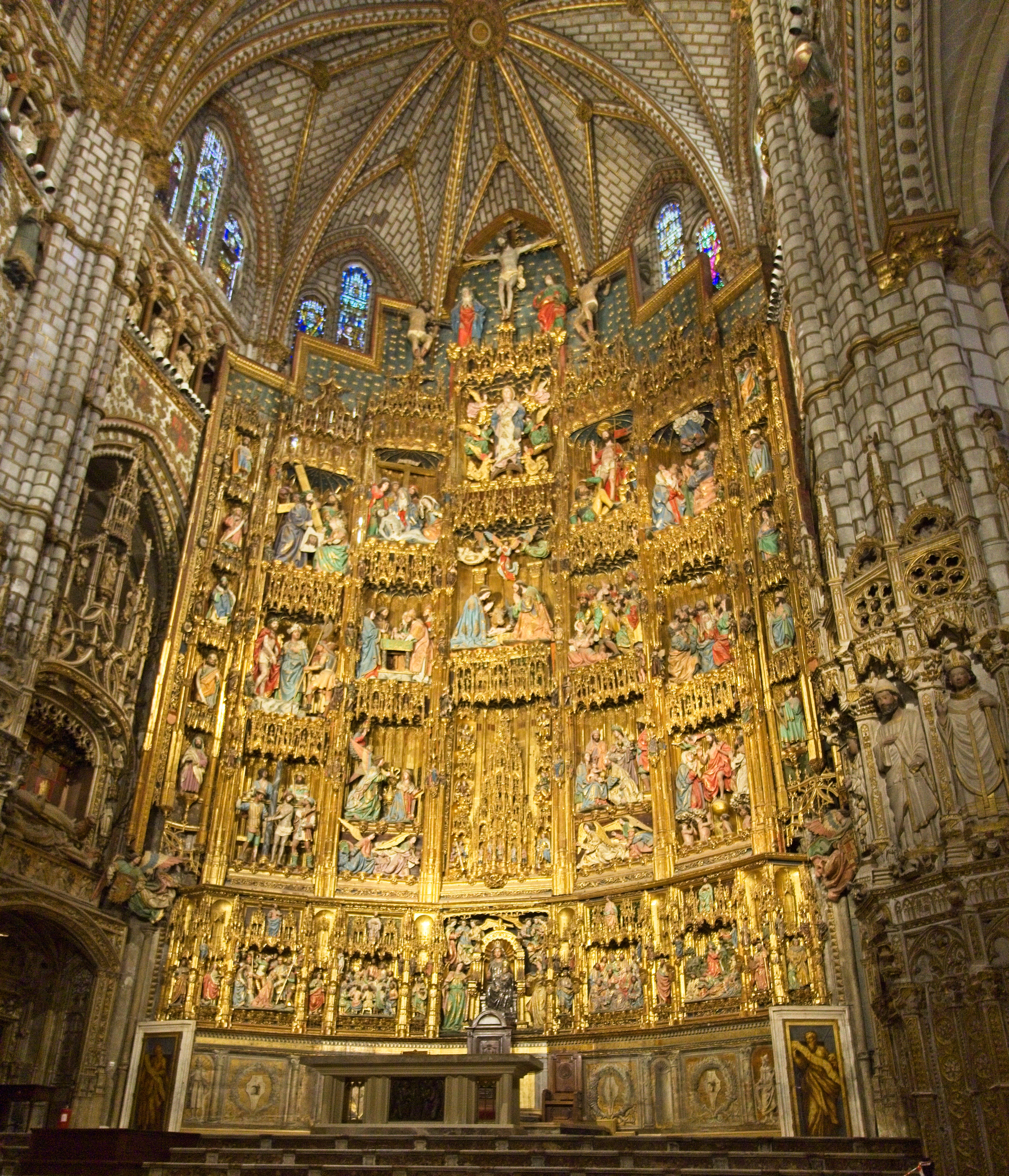
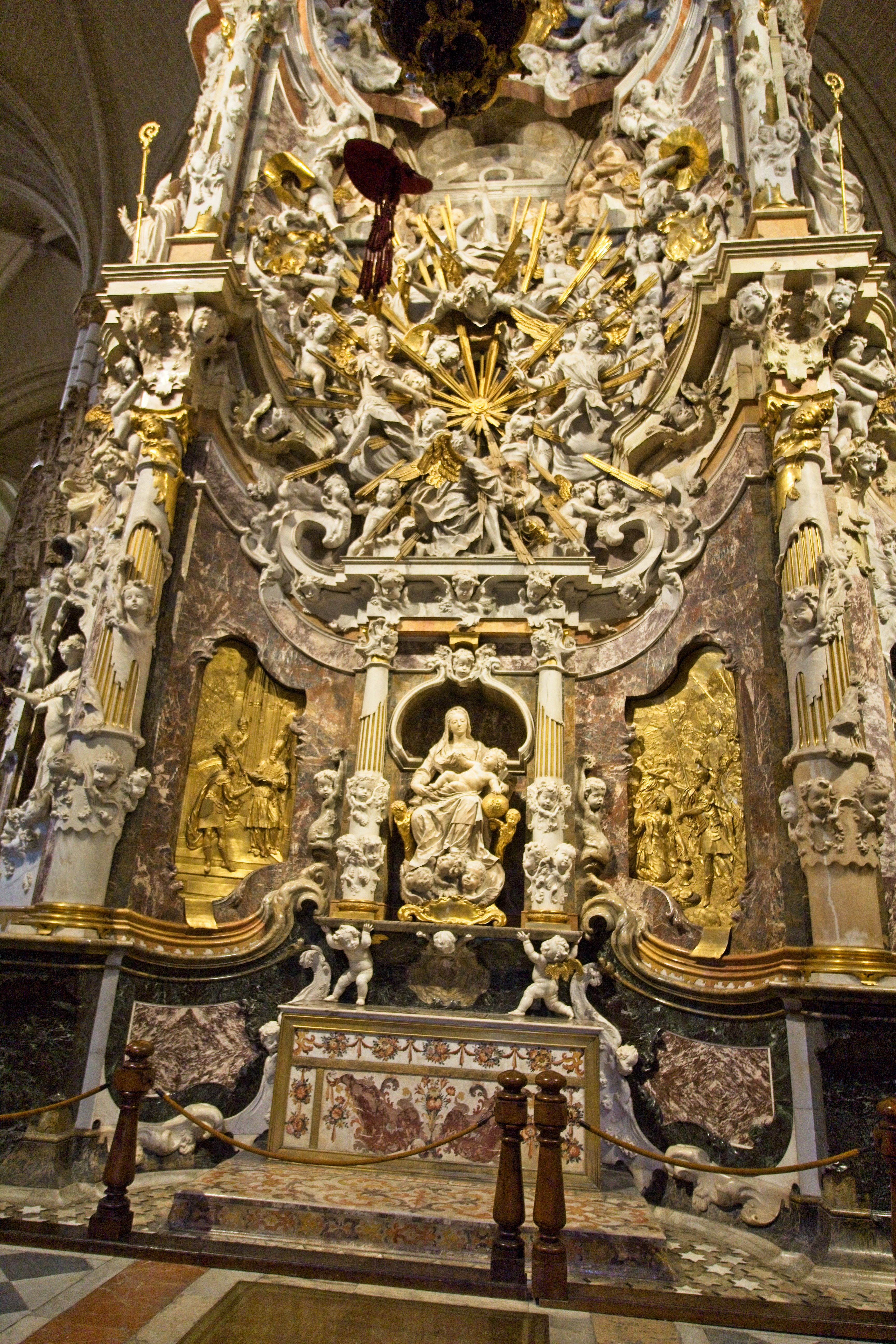
After the Romans, Toledo became the capital of the Visigothic kindom in the 6th – 8th Centuries, until it was captured by the Moors and later became a major cultural center after the Reconquista. Its libraries weren’t sacked and Moorish and Jewish scholars translated the texts it held into Latin. The medieval center is very well preserved and contains the fourth largest cathedral in Europe [citation needed] as well as the Alcazar fortress. The modern city extending to the north of the river and the center has become a suburb of Madrid, thanks to the fast train that covers the distance in about a half hour.
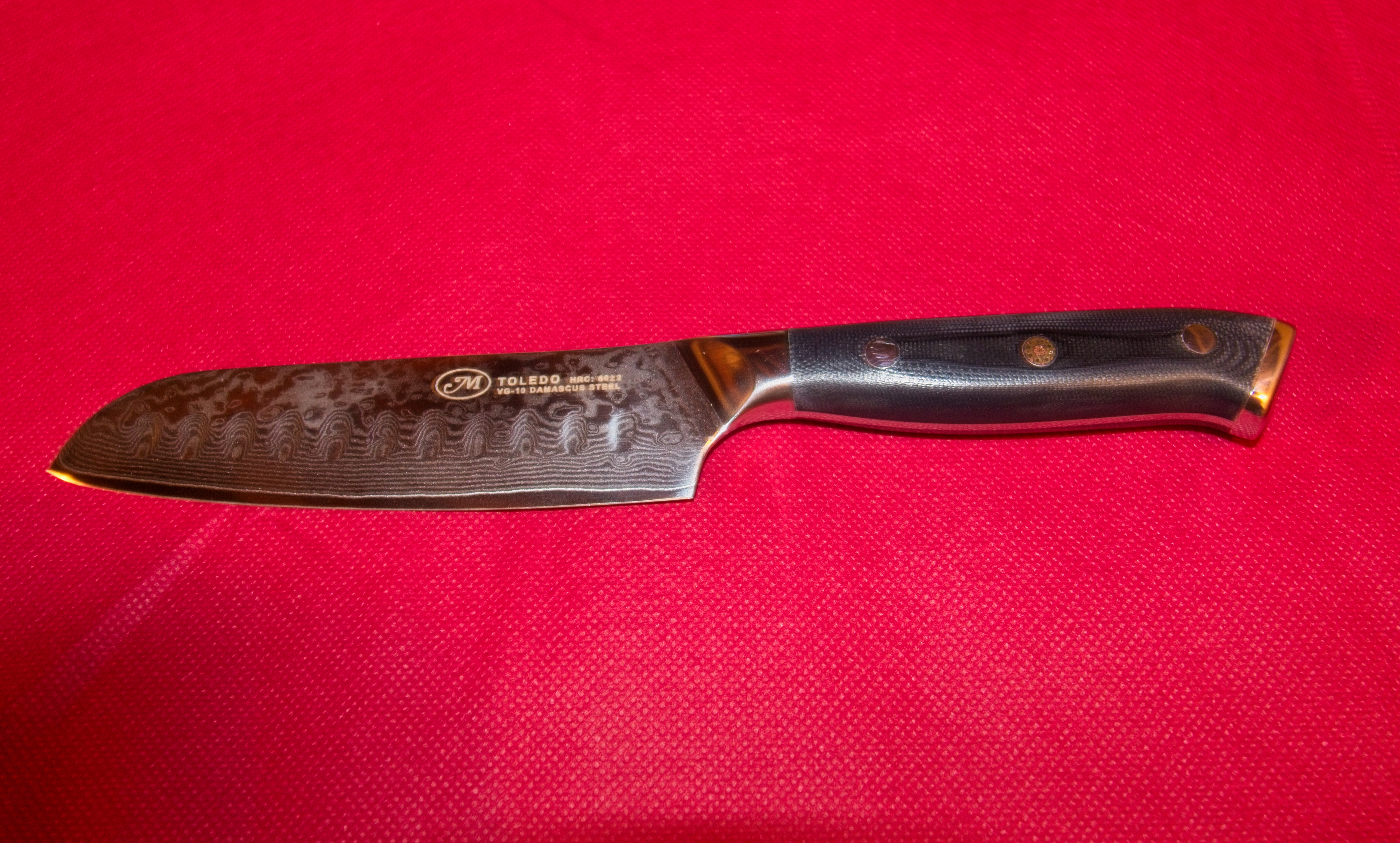
Back in the day, Toledo was known for its swords; you might have read of “Toledo steel” in a historical novel. The actual technique and particular alloy that went into Damascene or Toledo steel is lost but there are still shops that sell knives and swords of the multi-folded steel from local forges. We bought a 5″ kitchen knife, then I did some research and discovered that there are a lot of low-quality knockoffs being sold in Toledo. I was lucky to accidentally buy an actually good-quality blade and can attest to its sharpness. The multiple folds in the forging of the blade give it the signature wave pattern.
After a few days I jumped onto the train from Toledo back to Valencia; Cindy, Cheri and Robbie spent a few days together in Madrid before our American friends winged their way back to the States. Now, the weather has turned and it’s fall even in Valencia. The puffy coats and scarves have come out, we’ve enjoyed a couple of Expatsgiving feasts here at the end of November, and Cindy is plotting away on our next adventure.
 Home | Travelblog
Leave a comment