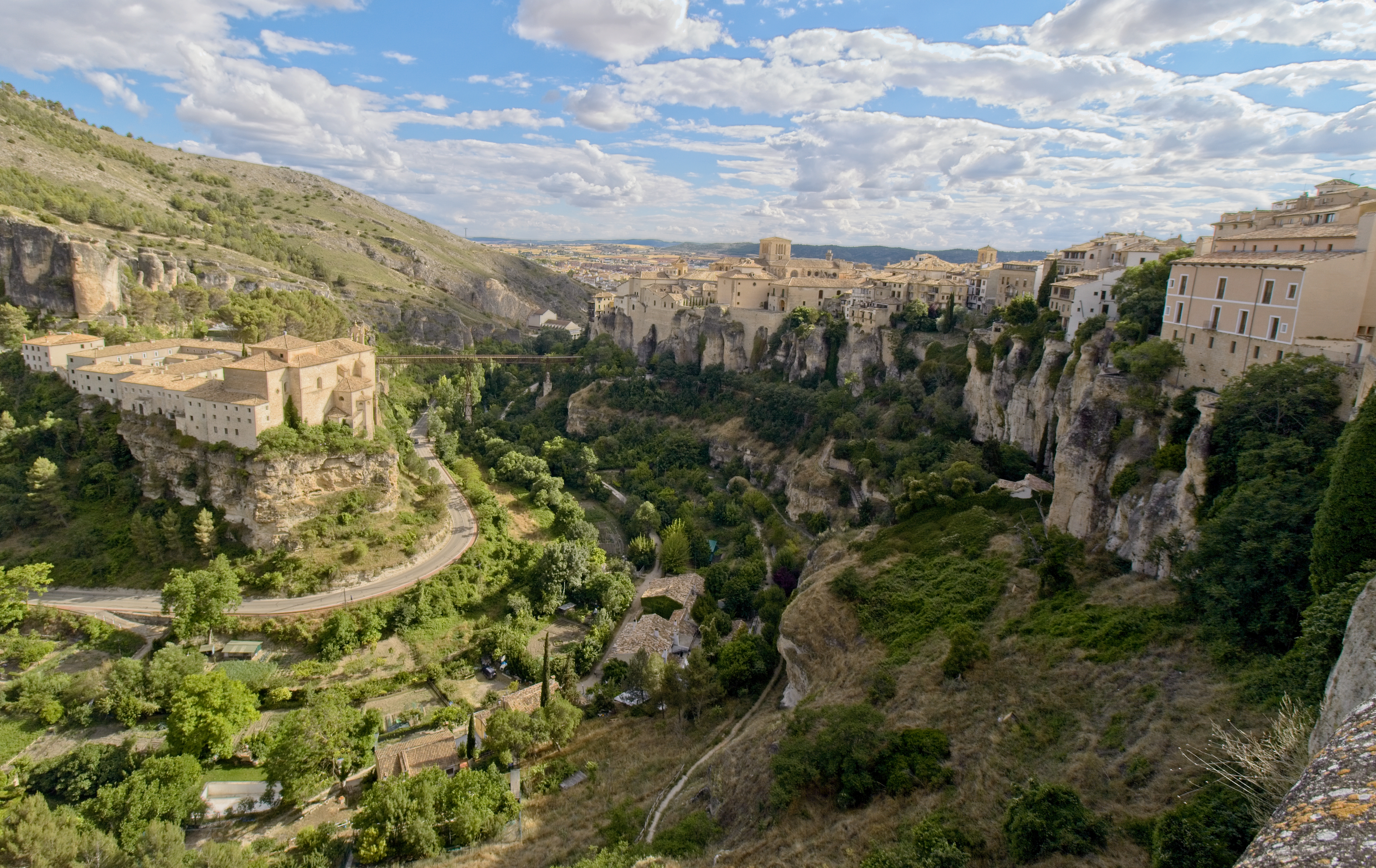
Situated about midway between Valencia and Madrid, Cuenca sits at the mouth of a river gorge atop limestone cliffs. Its strategic value in controlling the confluence of the Júcar and Huécar rivers was first recognized by the Moors in the early 8th Century and they promptly built a fort and got to work developing agriculture and textile manufacturing. The city and region prospered during the ensuing years of back-and-forth warfare between Moorish warlords, kings and European would-be conquerors until in 1177 King Alfonso VIII of Castile took it for the Castilians for good.
The plain around Cuenca is fertile and provides good land for farming and livestock. It’s been in permanent production since the Moors arrived and the Catholics knew a good thing when they saw it so they kept it going. In 1182 Alfonso began construction of the cathedral, which was completed in 1270. It has since been repaired, rebuilt and re-worked in a variety of styles.
Cuenca’s other great feature is that it’s a mere hour-and-a-half train ride from Valencia on the fast line to Madrid. Perfect for a quick getaway to celebrate Cindy’s birthday. The city itself continues to support the farming community in the plain and has become a center of arts as well.
We stayed in the old convent of Saint Paul, situated across the gorge from the old town. Construction was begun in the 16th C and the whole compound was
completed in the 18th. It became a monastery in the 19th C and was abandoned in 1975. In the 1990s it was restored and now houses the Parador Nacional, one of a chain of hotels run by the Spanish government. I suspect that we will visit more Paradors around Spain, this place was luxe.
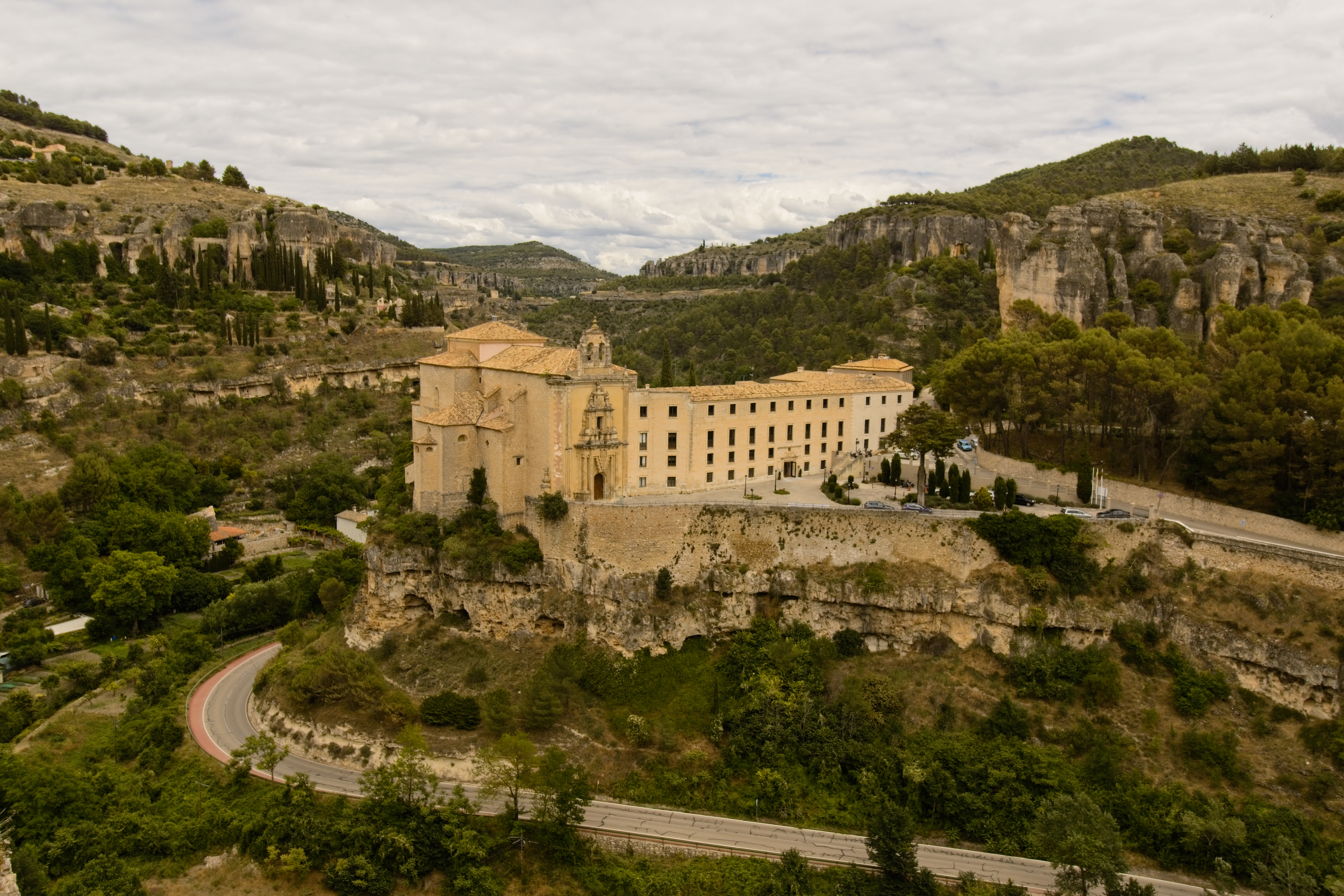
Our overnight home.
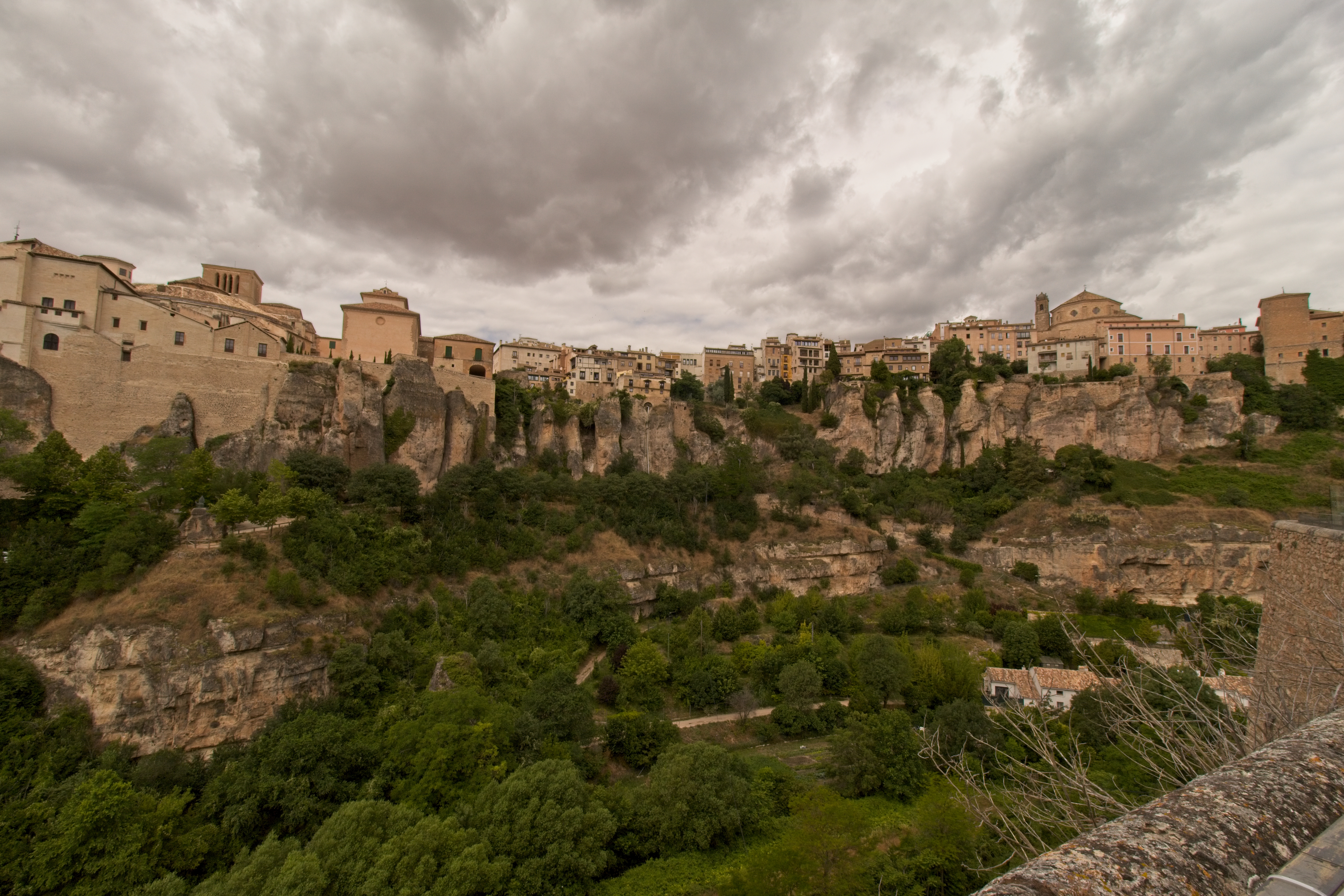
Looking at the town from the hotel
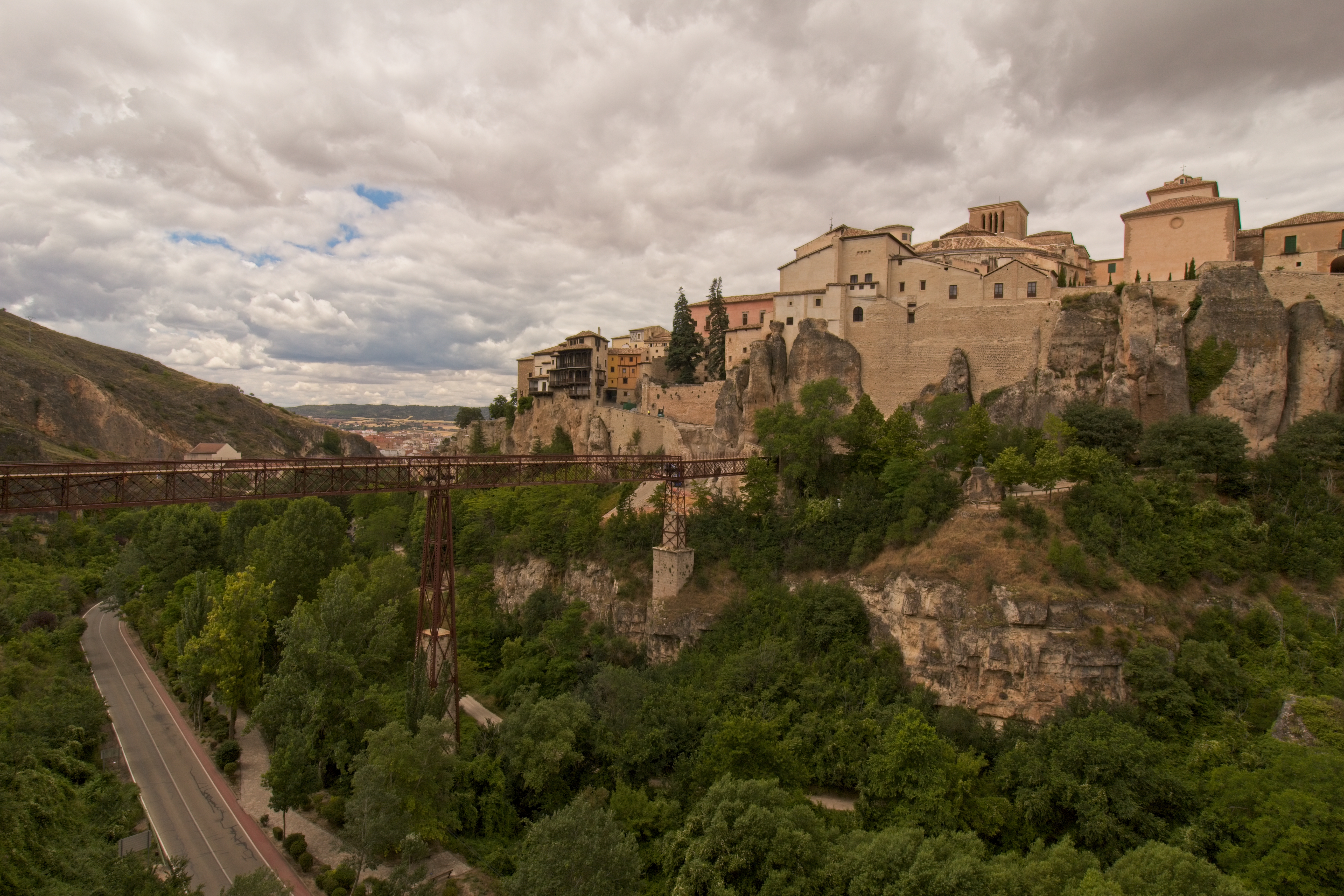
Another view of the town. The Saint Paul bridge, the red lattice structure in the photo, is supposed to be the way to get into town but it collapsed sometime in the recent past along with a chunk of the road going up the cliff face so it is now under repair. We had to go the long way, down to the end of the gorge and back up the hill into town.
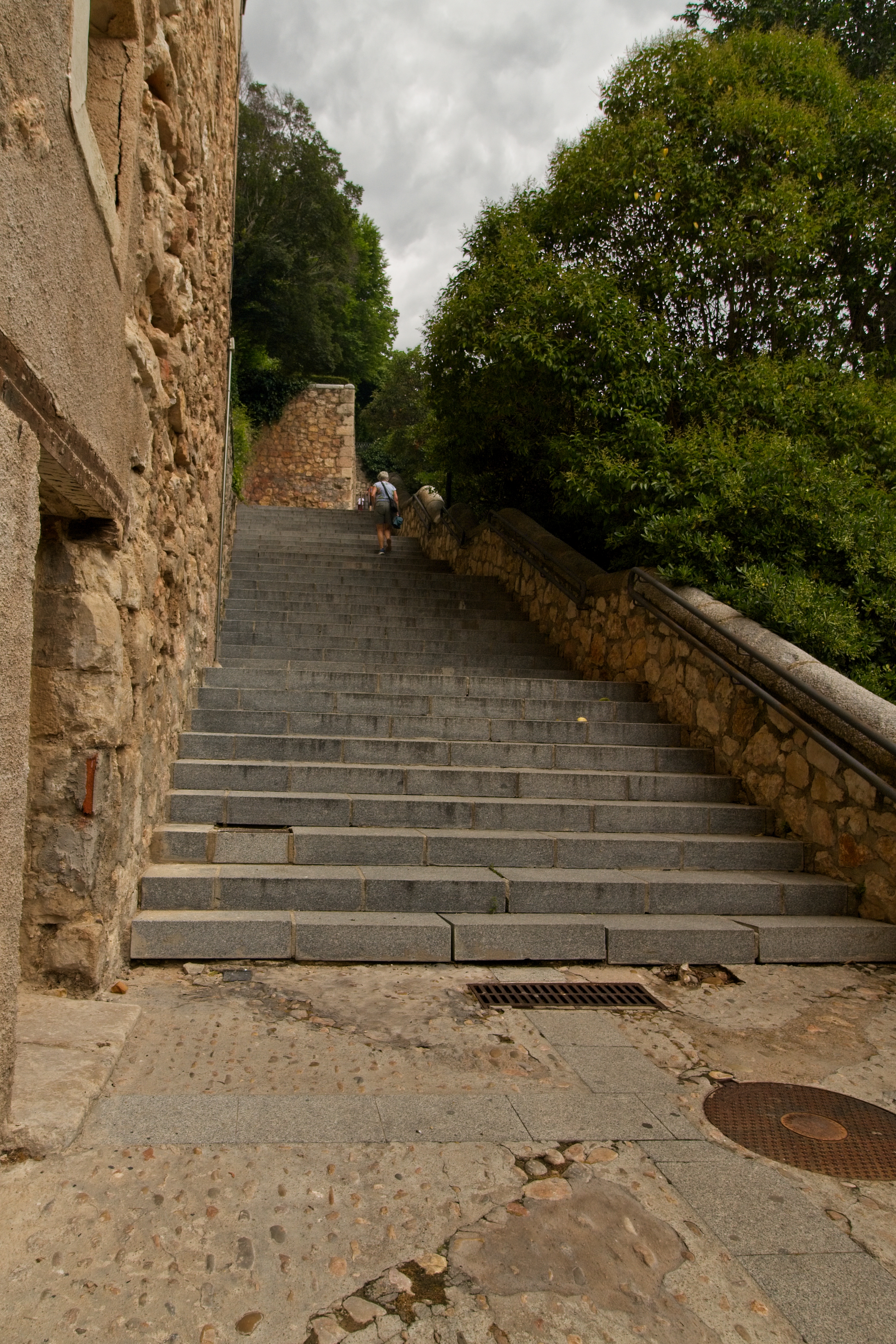
Getting into town required some climbing, something we aren’t used to as denizens of flat Valencia.
Our first stop once we got into old town was for lunch in the main square, then we headed for the cathedral.
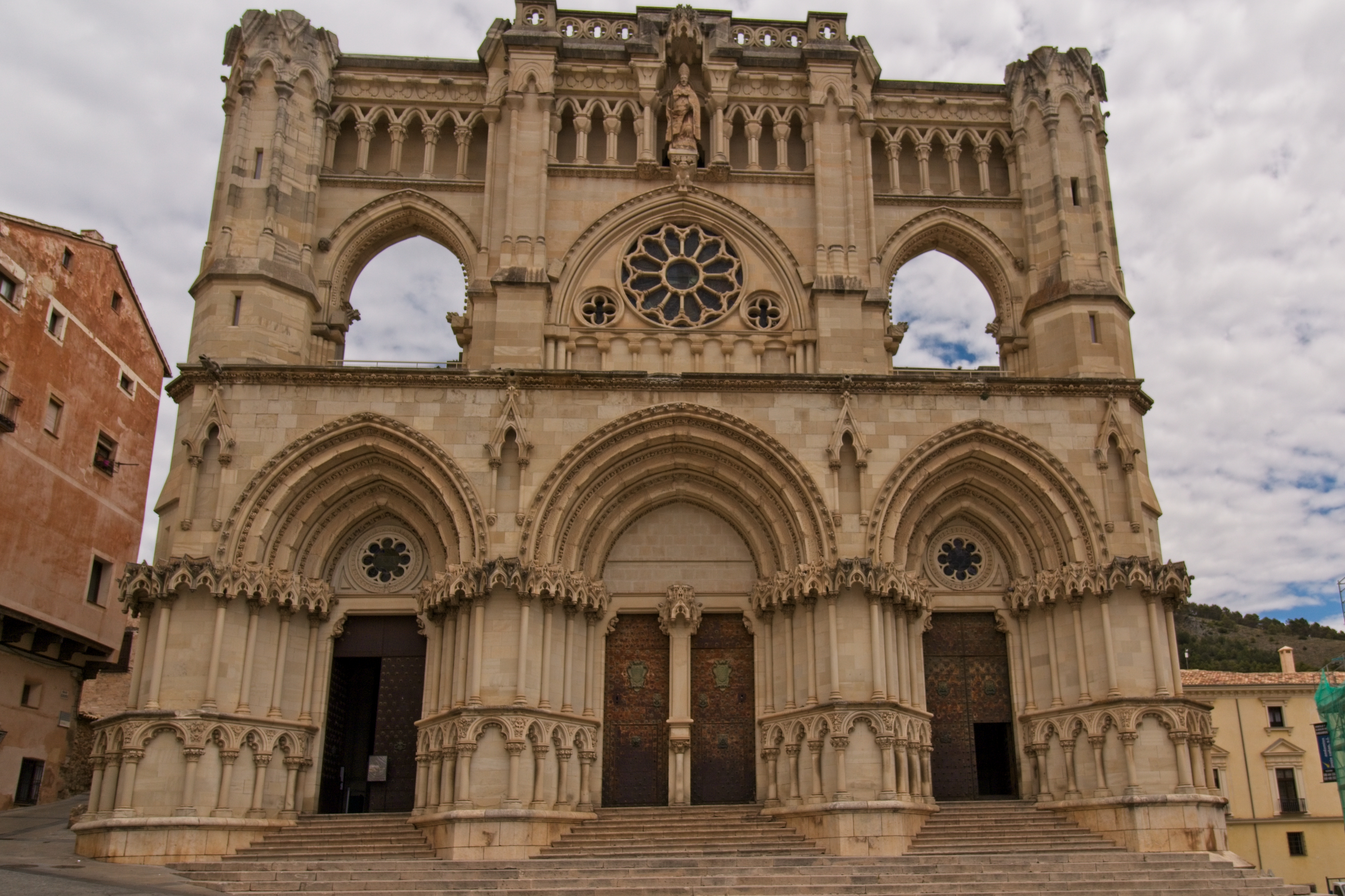
The facade of the cathedral, last rebuilt in the 20th C in neo-Gothic style.
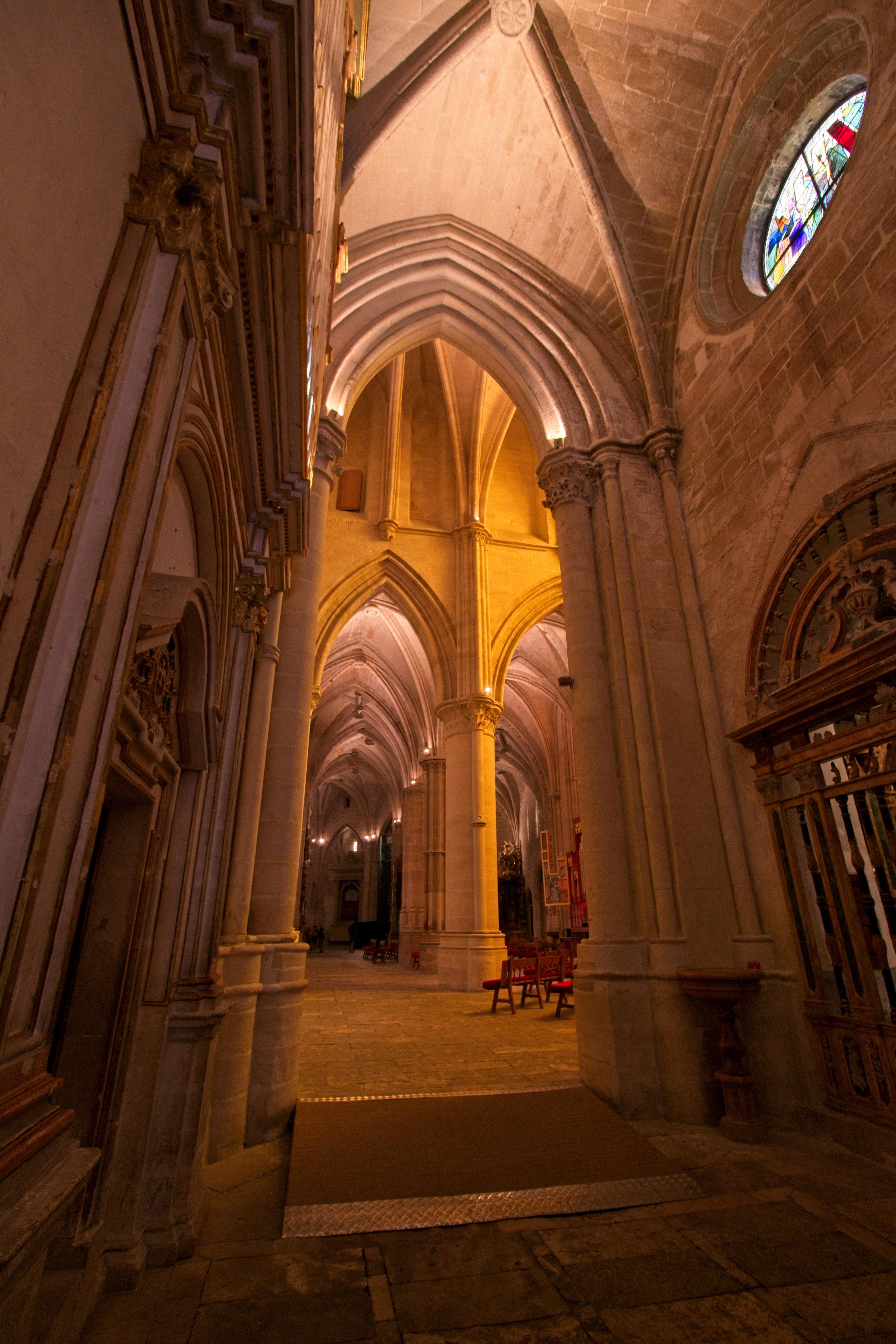
Ooh, glow-y
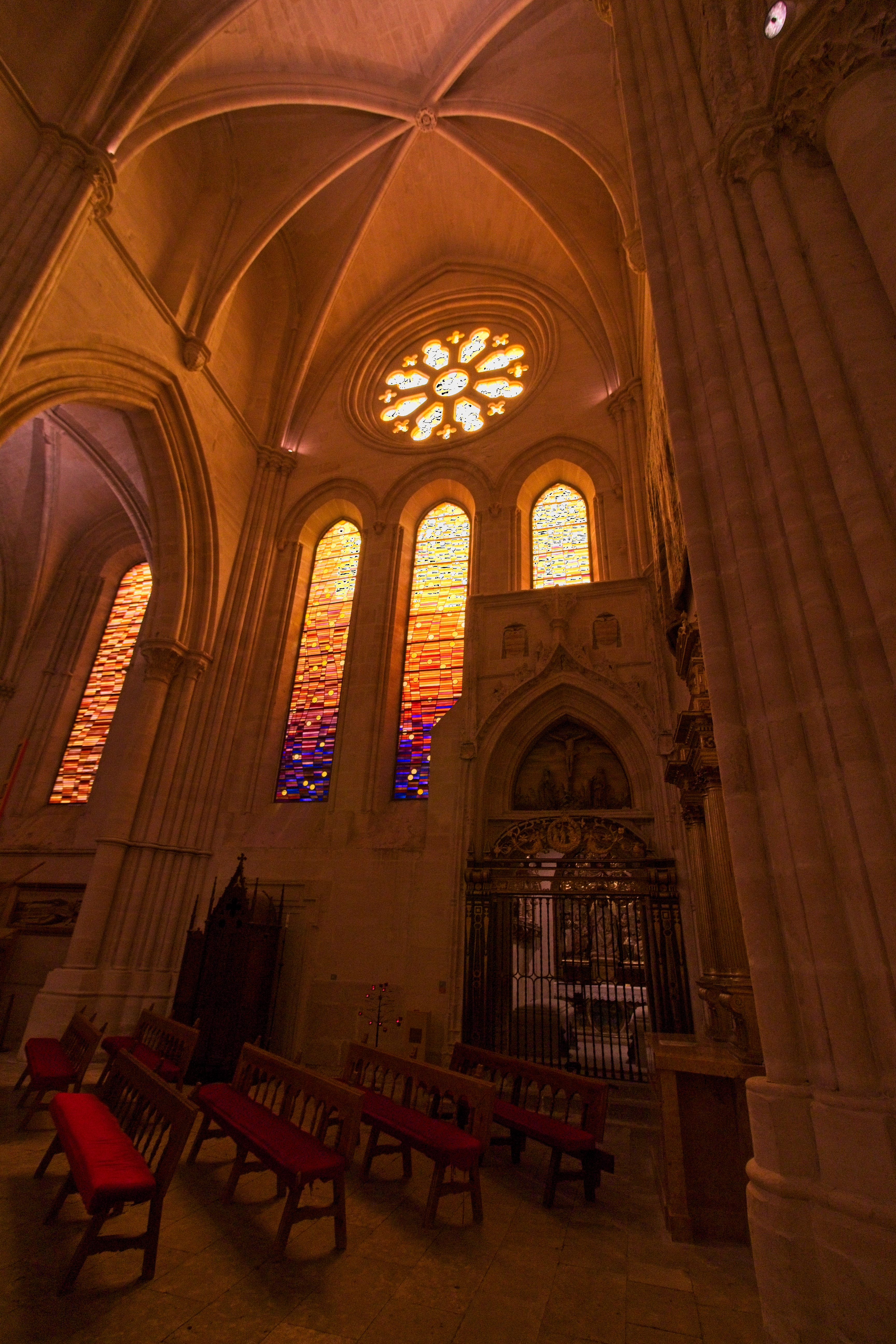
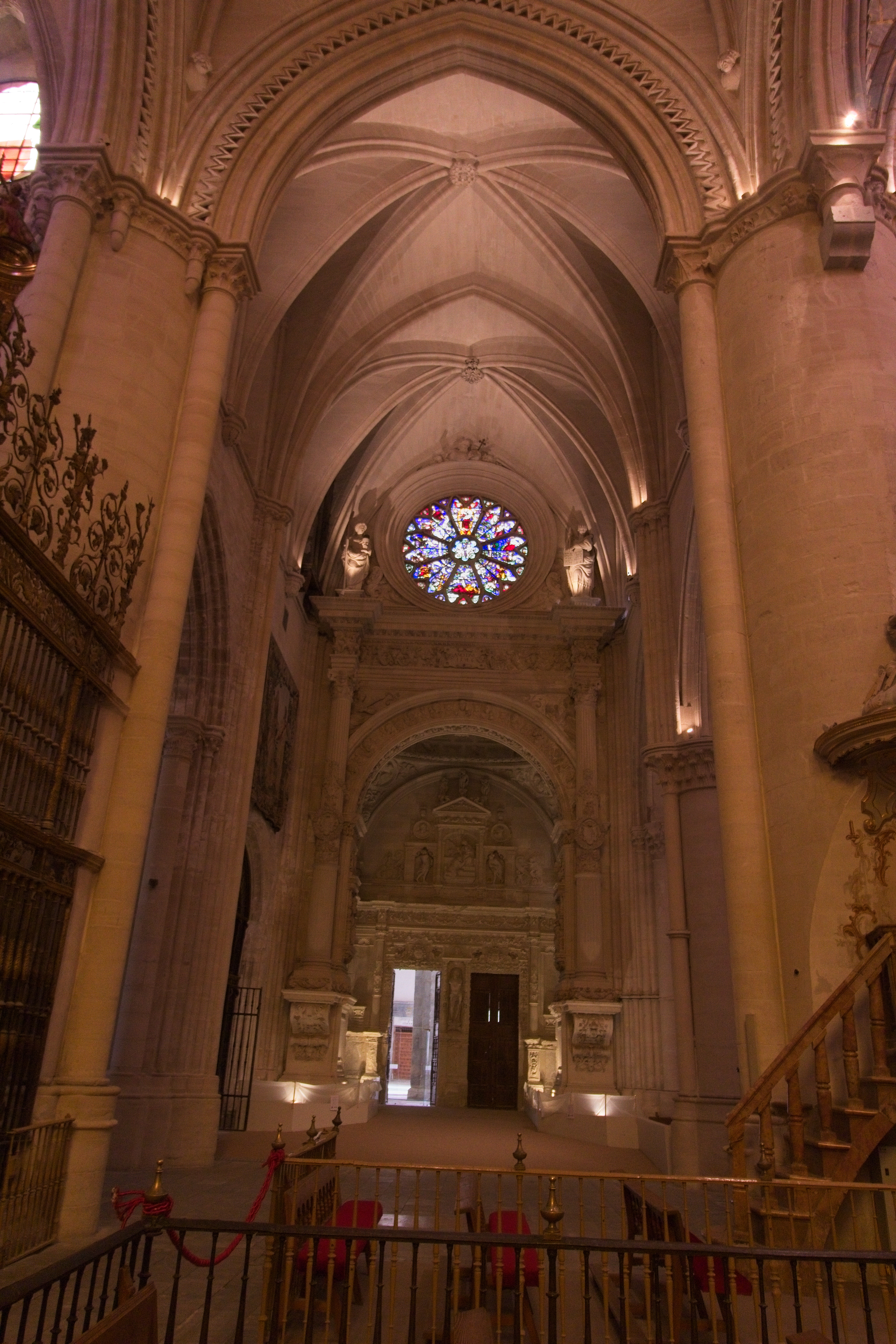
Stained glass makes everything better.
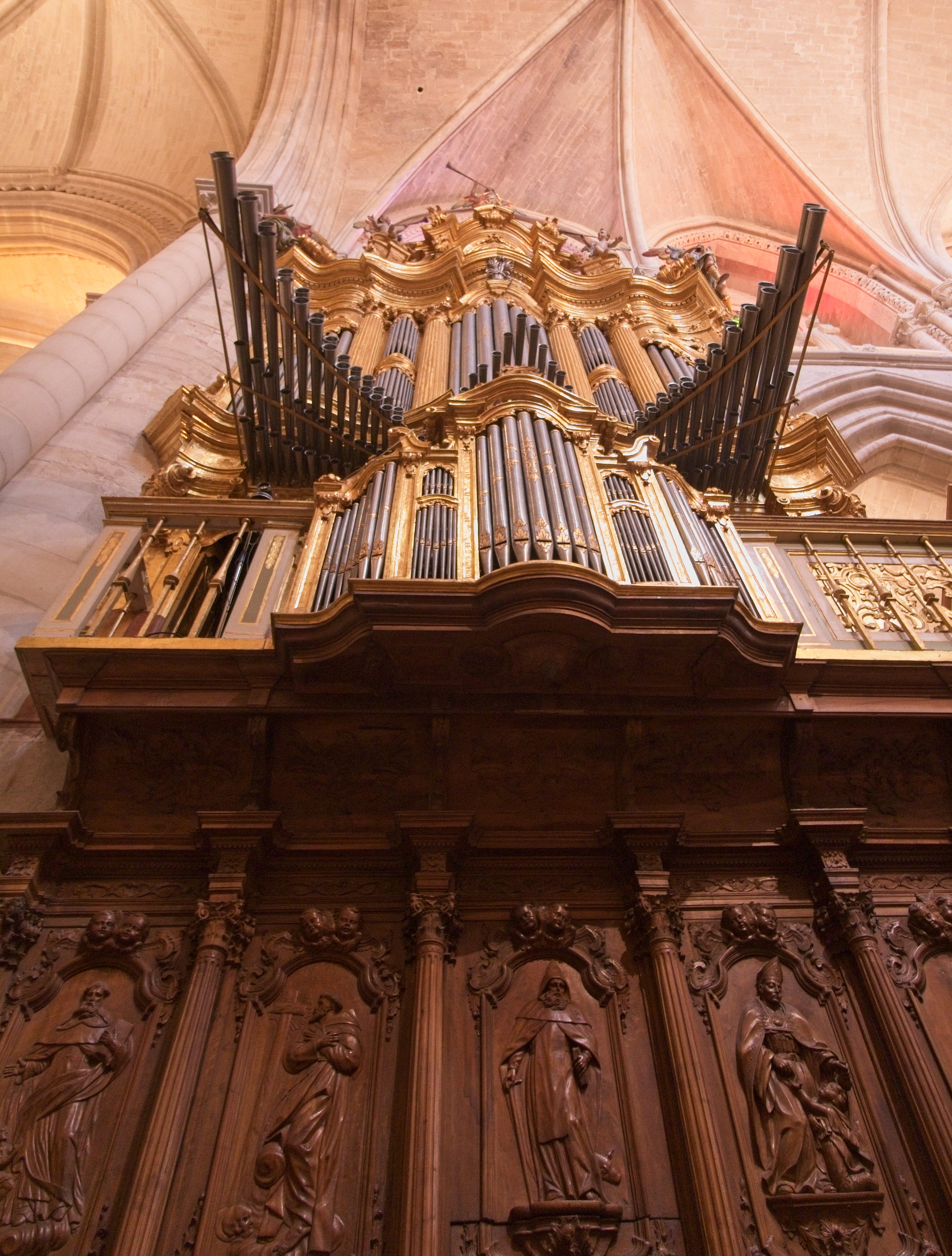
One of two pipe organs in the choir…area. Seating for 47 singers.
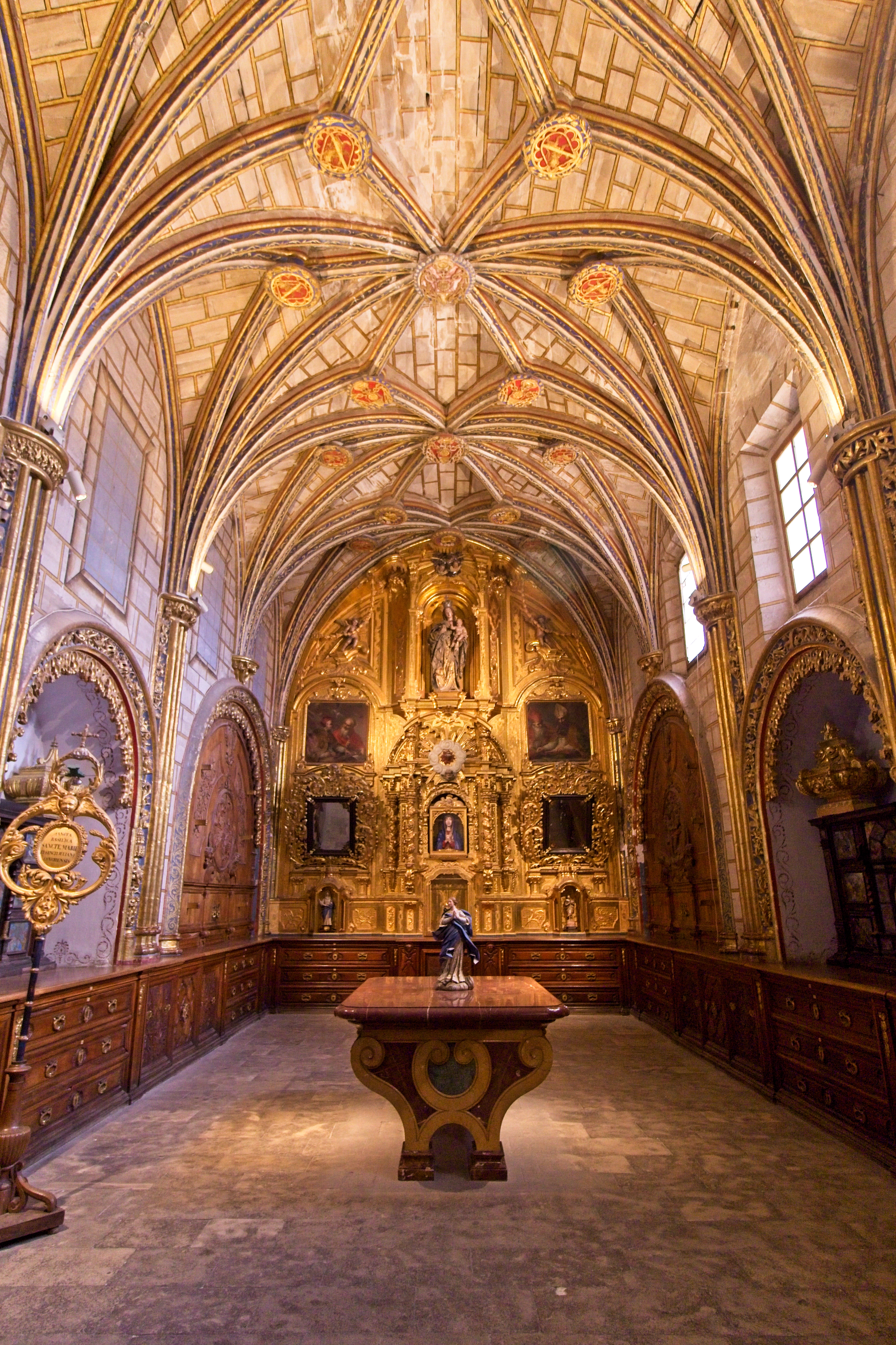
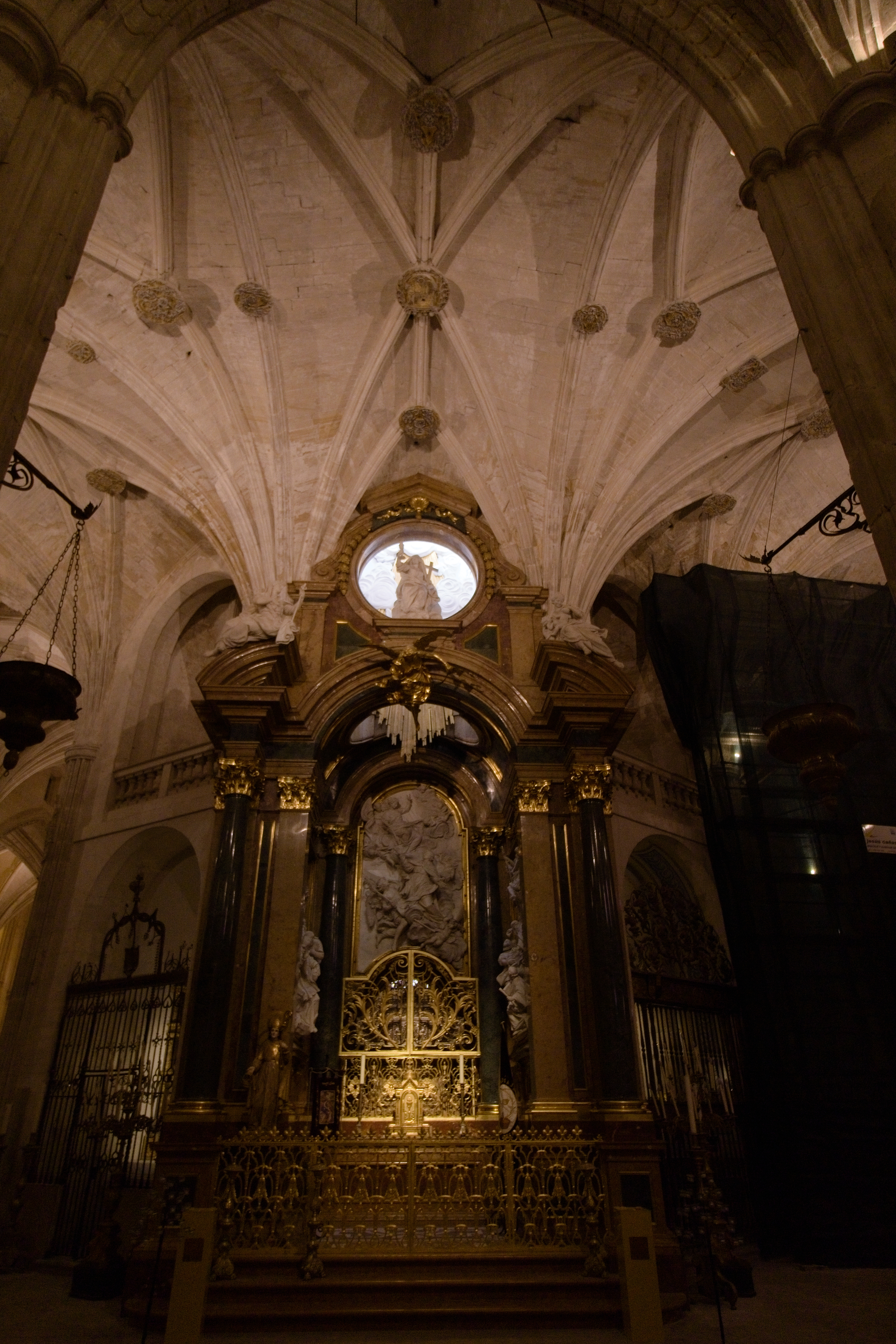
Mary, making assumptions.
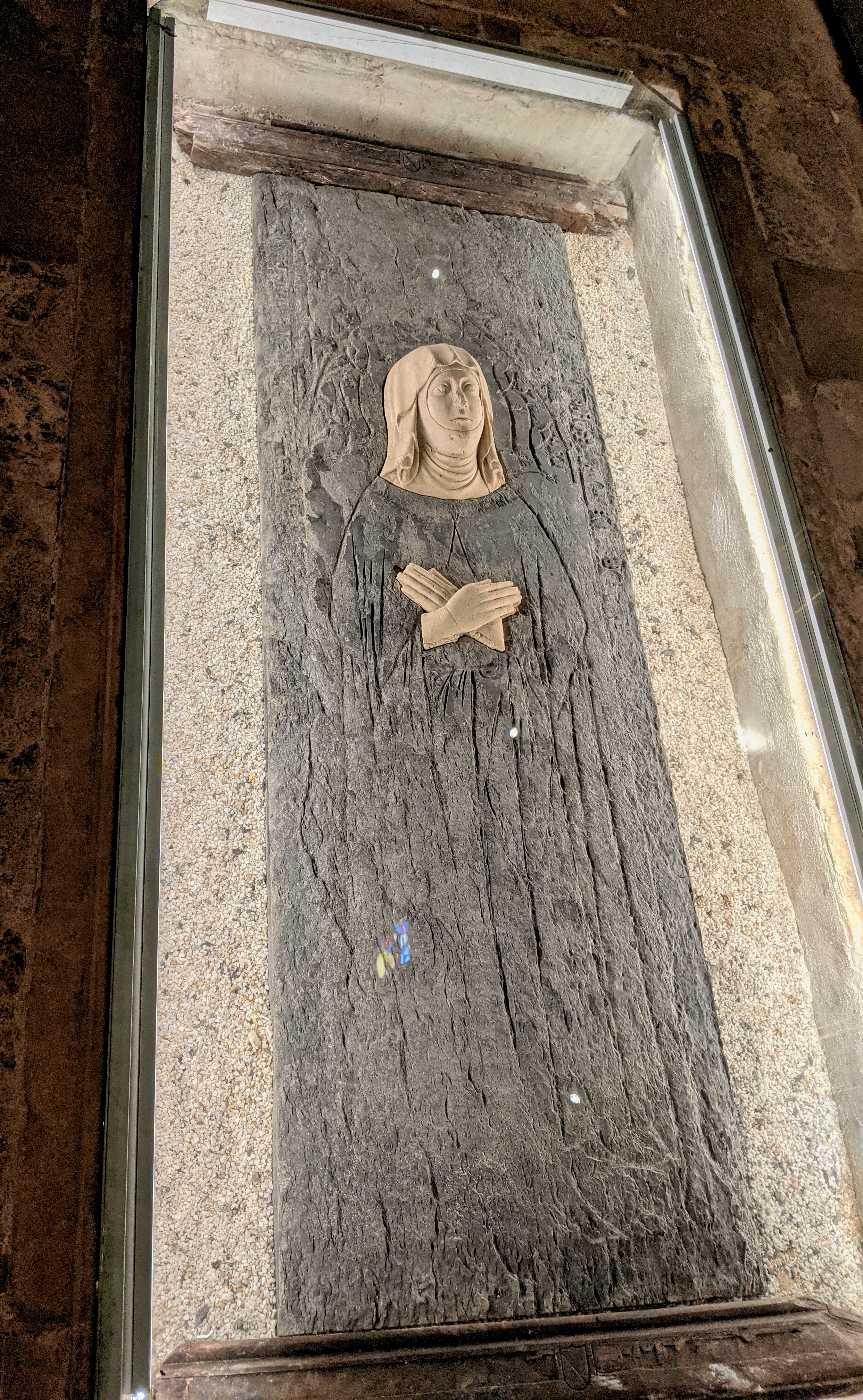
Prominent citizen from the 14th C, entombed within the cathedral.

The so-called “Hanging Chapel.” It’s hard to see but this ceiling has stalactites carved into it (see upper right for example). It was incredibly elaborate and the whole chapel was sunk into the ground, but not as far as it was originally built, some four meters underground. They actually filled in the floor to raise the chapel.
After seeing the cathedral we explored the rest of the old town, including a visit to the last remaining “hanging house” which now houses an abstract art museum. We didn’t realize that the place was shutting down shortly so our visit was somewhat curtailed by being shooed out by a very nice docent. He did take a moment to point out some of the remaining 15th C architectural details still visible in the building on the way.
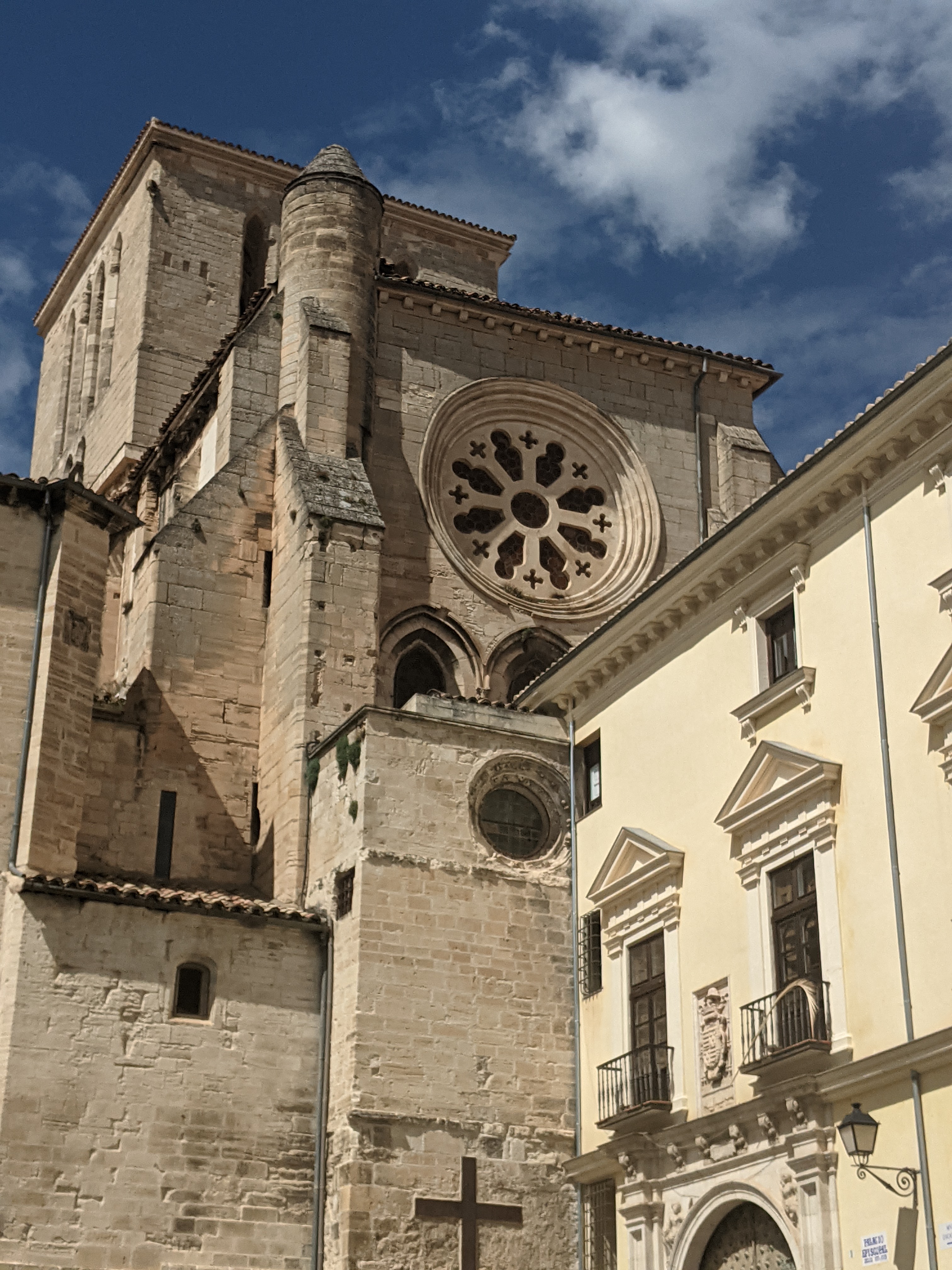
The view while we pondered what we saw in the cathedral over cocktails.
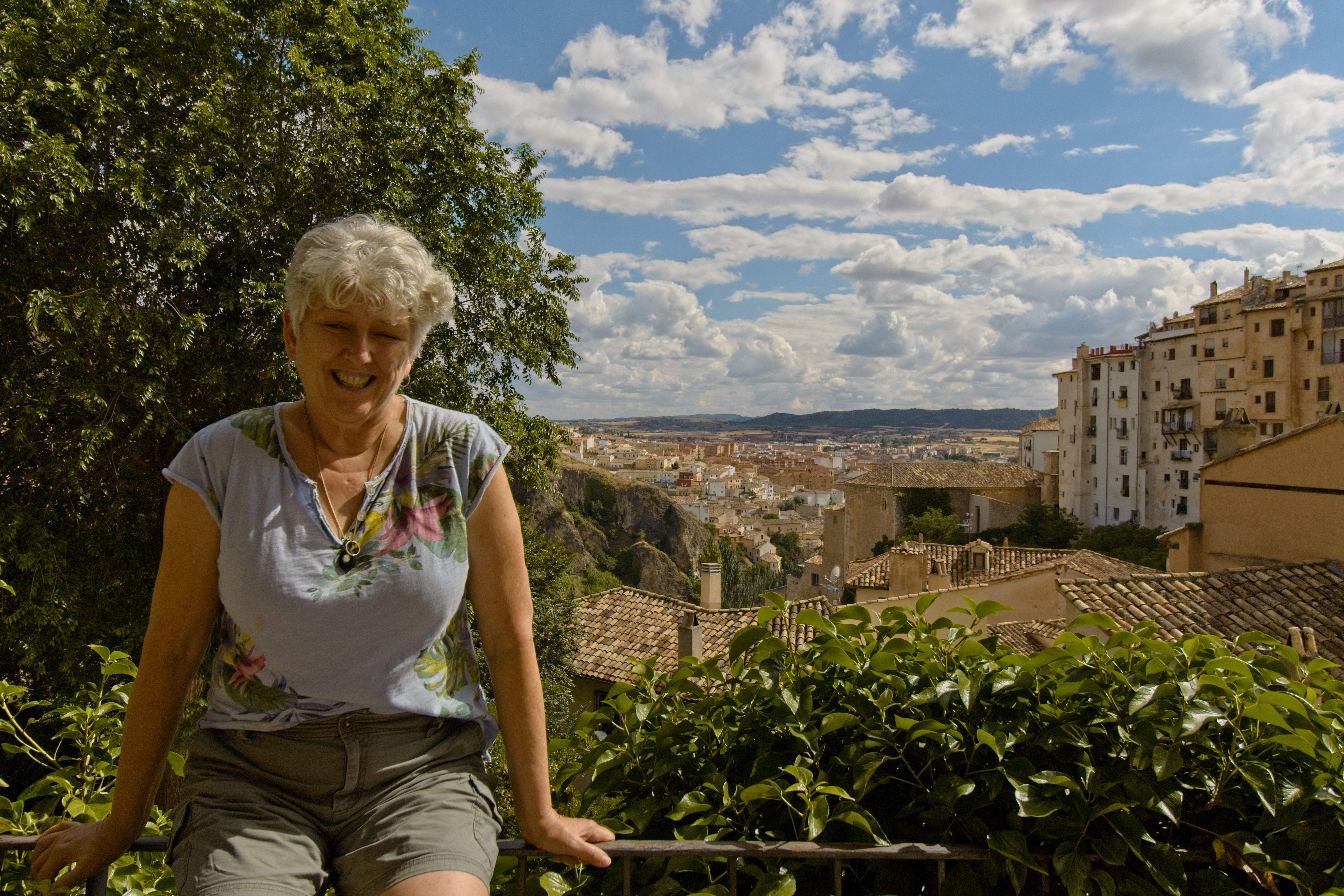
Our heroine at a viewpoint over the tail end of old town and the modern part of the city in the plain.

Looking up the gorge from town.
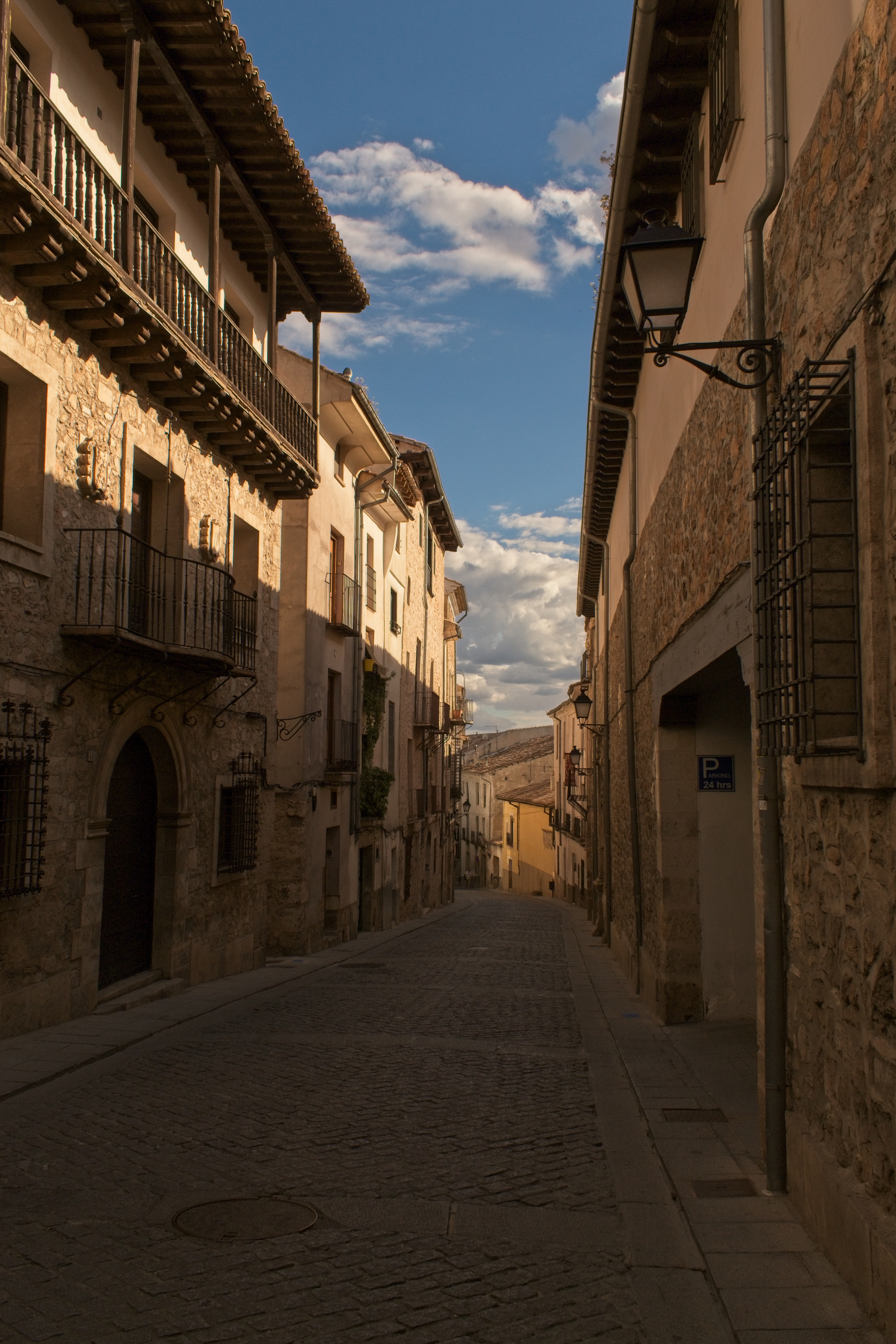
Tourist pressure wasn’t too heavy. I do love these old curvy streets.
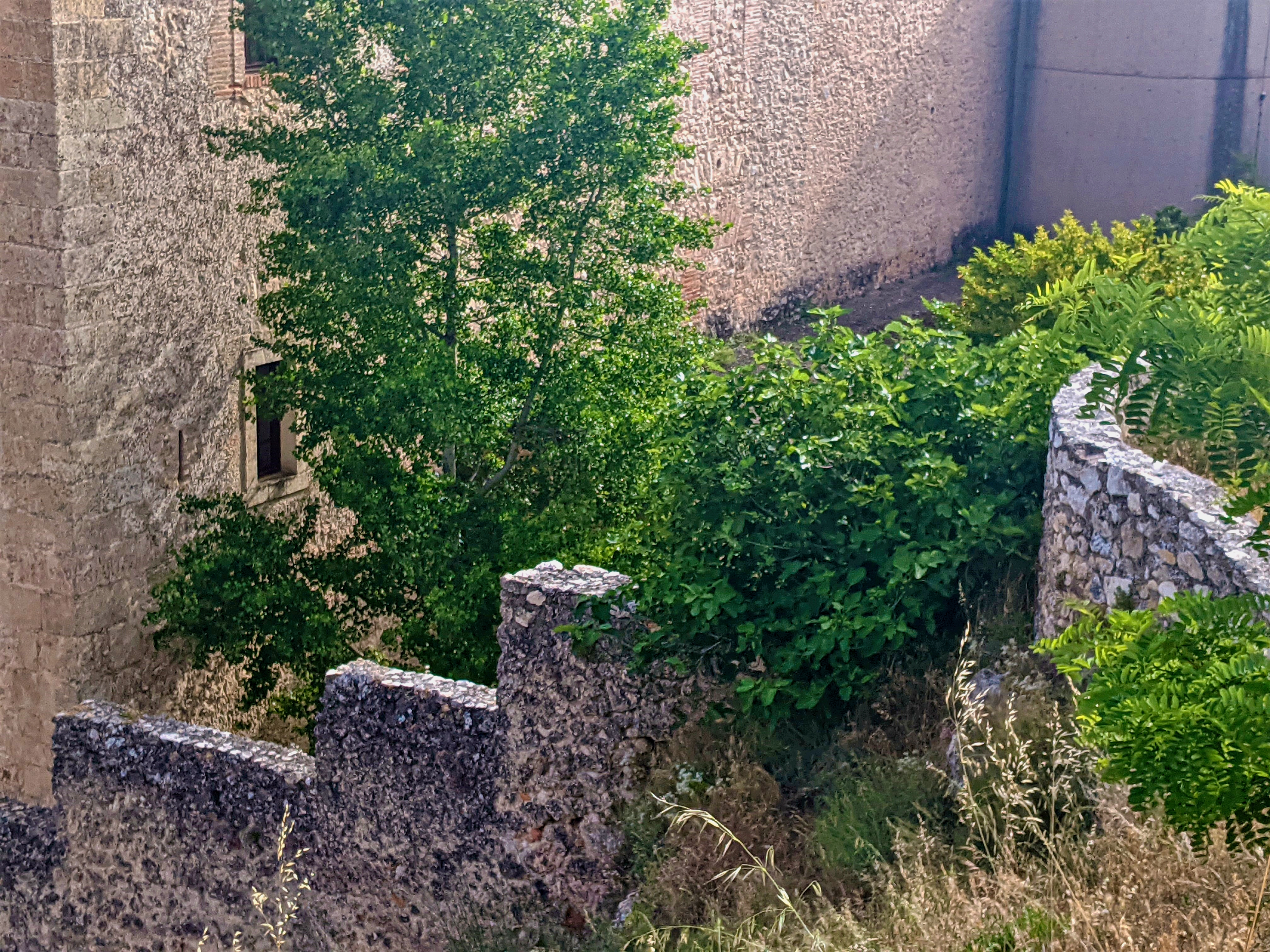
Angles and walls and greenery and such.
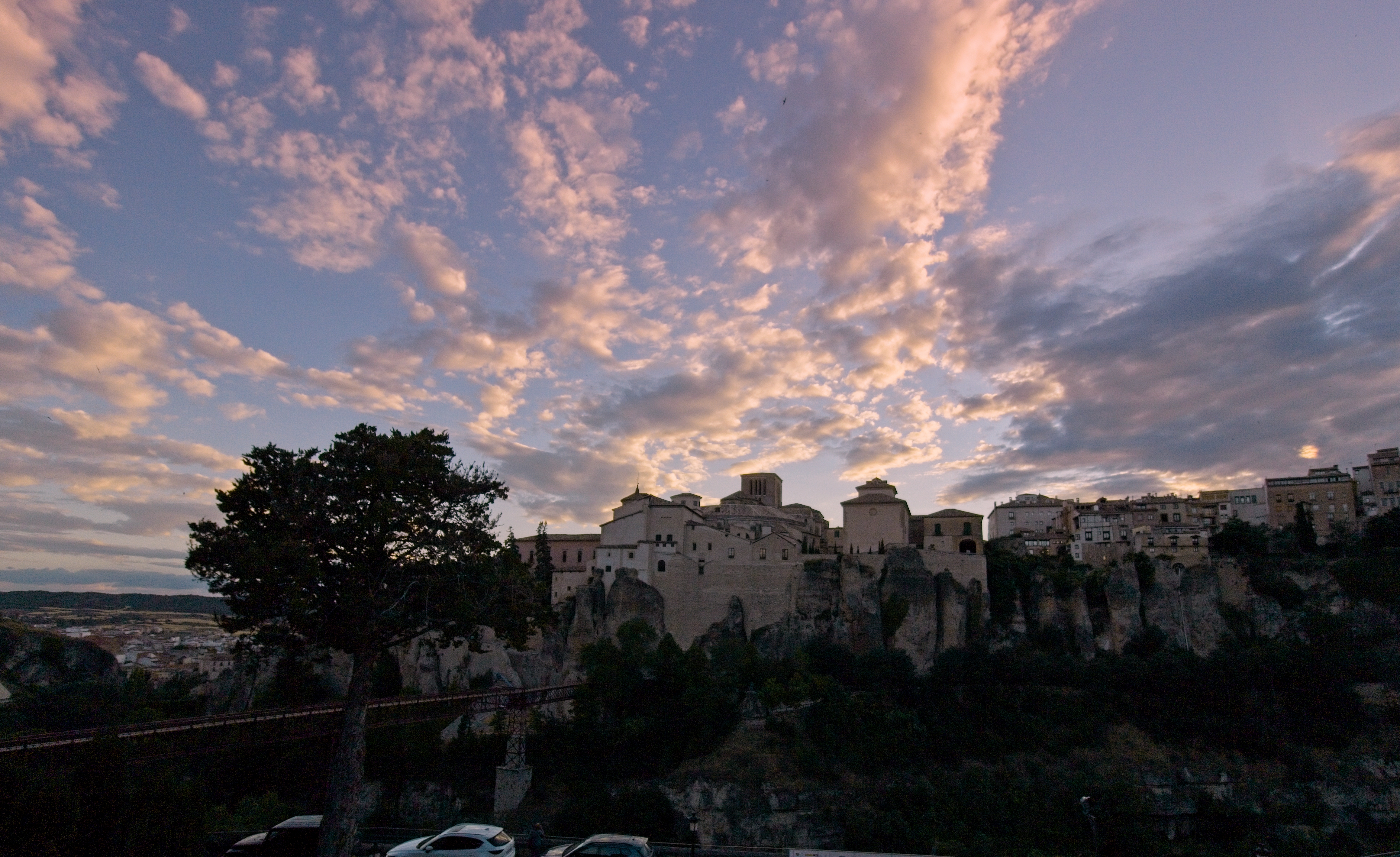
The sunset view from our hotel room. Not bad.
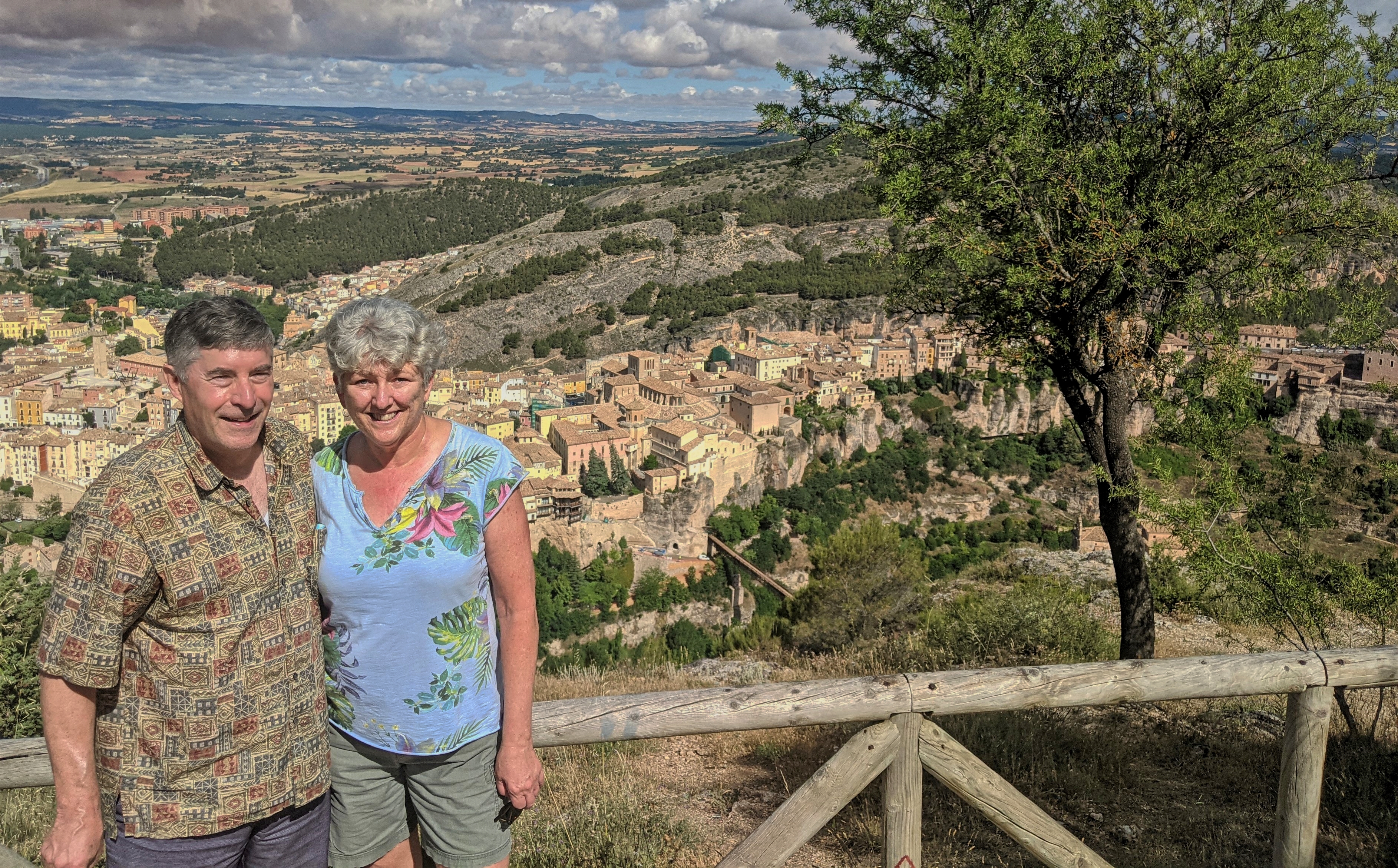
The next day we took a short hike up the gorge to a viewpoint overlooking the town. It was lovely to get out into nature and the view at the top was its own reward.
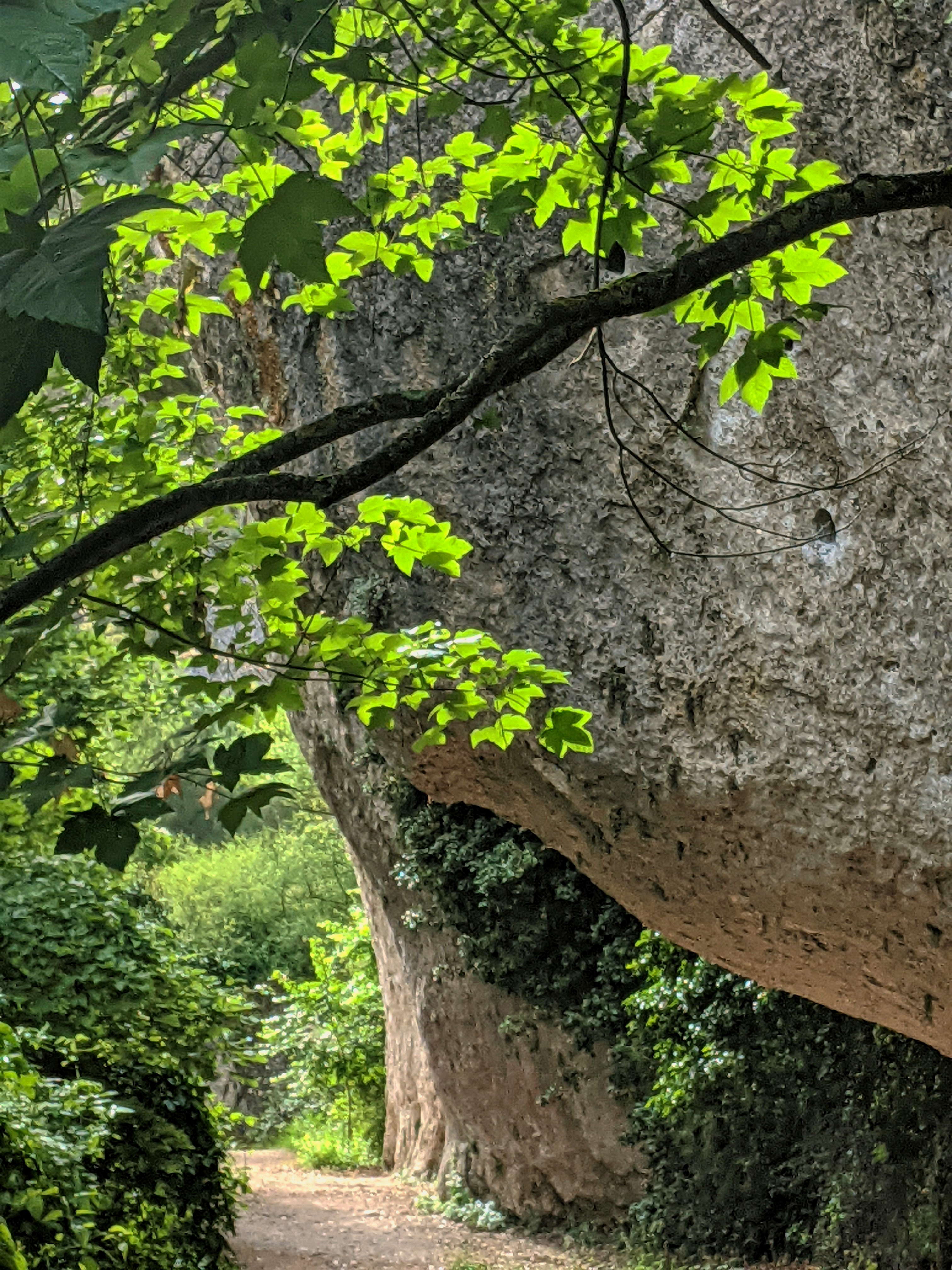
The cliffs are much more impressive from up close.
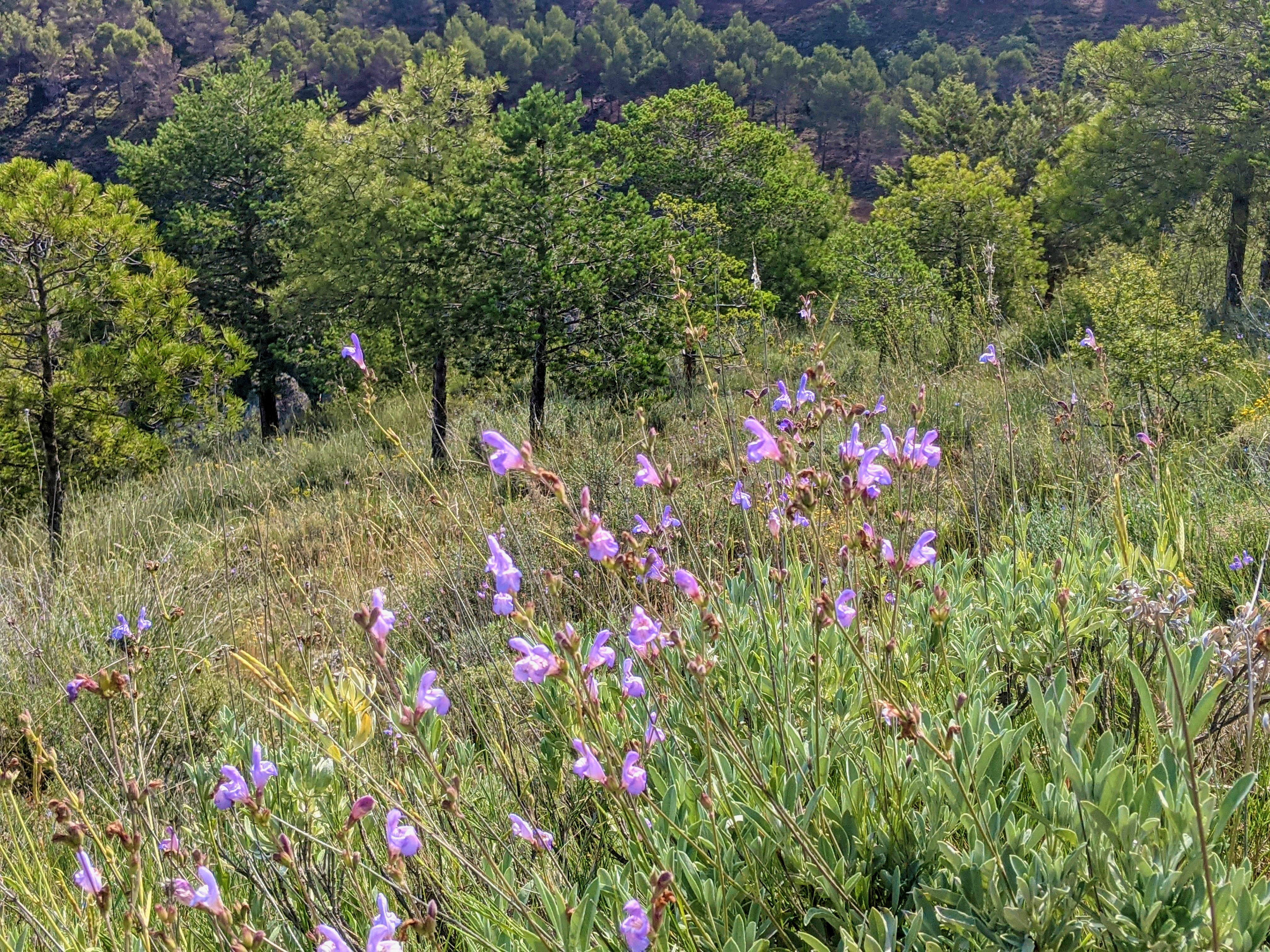
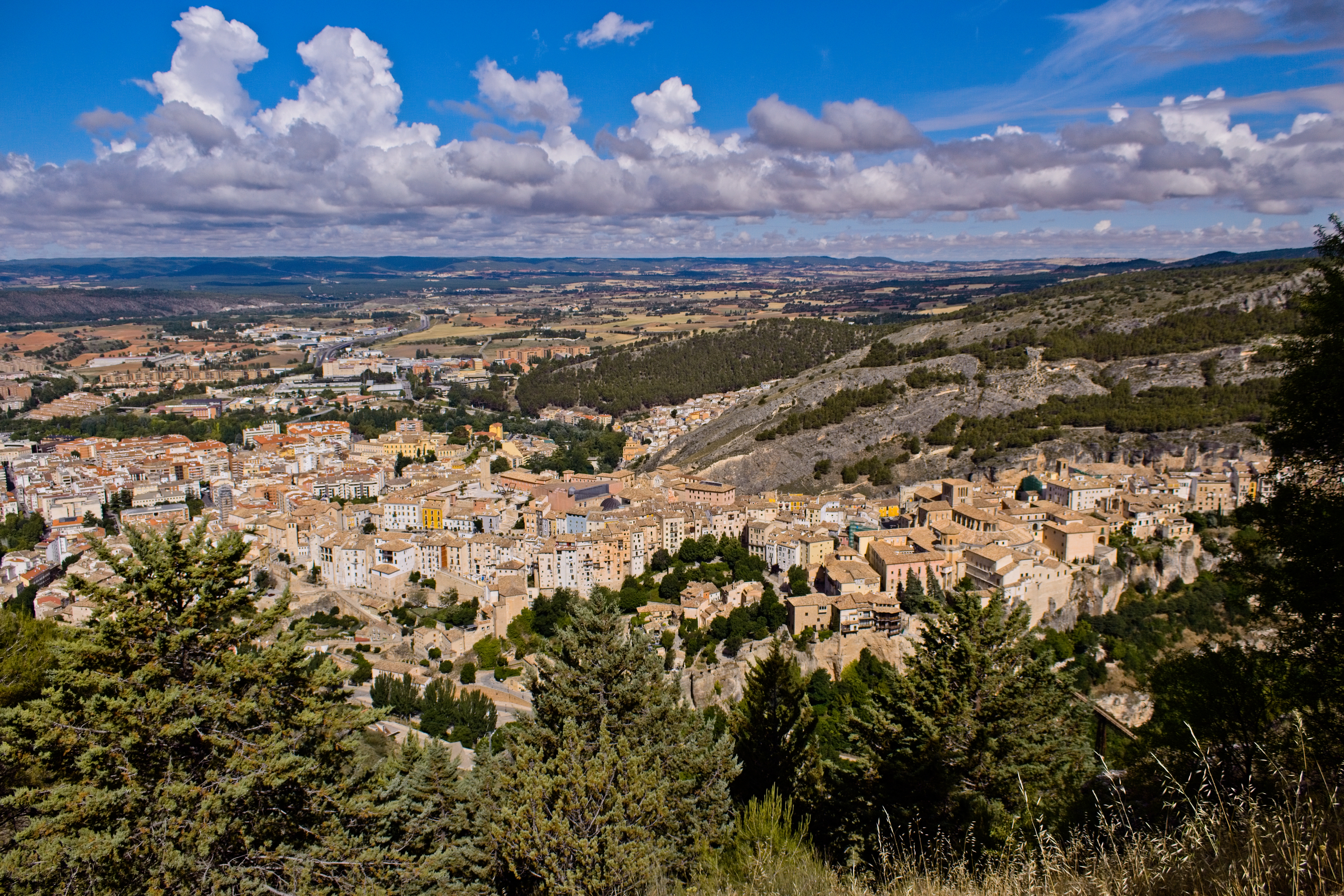
The old city on the right and the modern city spilling out onto the plain.
 Home | Travelblog
Leave a comment